Consider the Garden your own backyard as you discover, explore, learn and play together! Whether your destination is the adventurous Doris I. Schnuck Children’s Garden, the koi fish bridge in the Japanese Garden, the victorian-inspired yew maze near Tower Grove House, the shady, peaceful pathways in the English Woodland Garden, the lush, colorful Climatron© or the hands-on fun in the Brookings Exploration Center, your family will experience the wonders of nature around every corner.
A quiet, comfortable room for nursing moms and for children who need a quiet space to take a break is located in Edward Jones Hall near the Brookings Exploration Center and Doris I. Schnuck Children’s Garden. Learn more
Order a Show-Me Backpack with your admission tickets! The packs are bursting with activities and supplies to help you explore nature together.Learn more
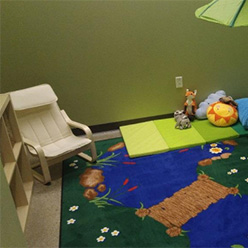 A quiet, comfortable room for nursing moms and for children who need a quiet space to take a break is located in Edward Jones Hall near the Brookings Exploration Center and Doris I. Schnuck Children’s Garden.