 |
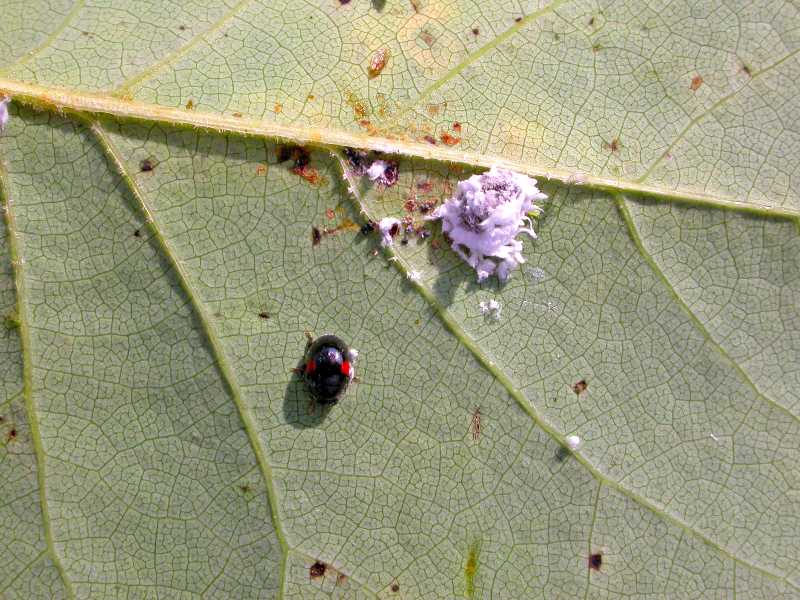
| Predatory beetle (Coleoptera) on tulip tree (Liriodendron) leaf |
|
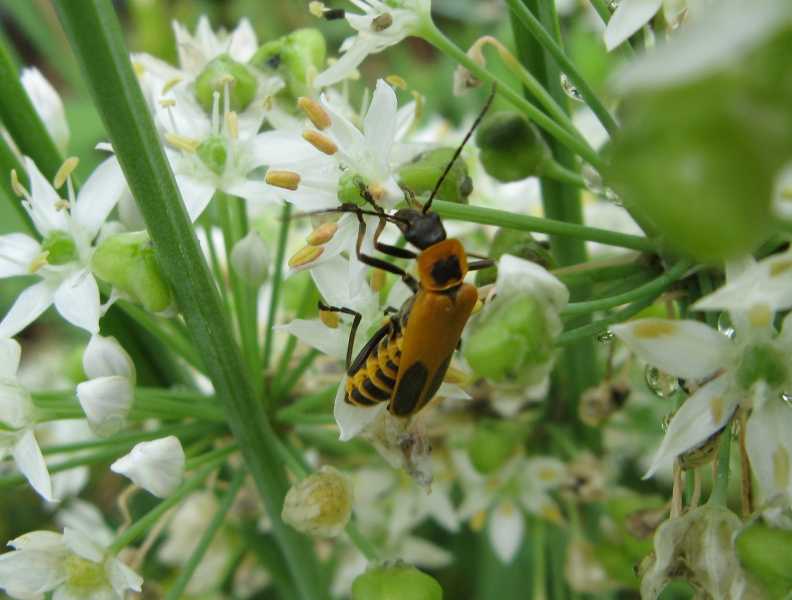 |
| Margined leatherwing beetle (Coleoptera), also called goldenrod soldier beetle, Chauliognathus, on garlic chives (Allium). Adults feed on nectar and pollen; larvae possibly feed on corn earworms and root maggots |
|
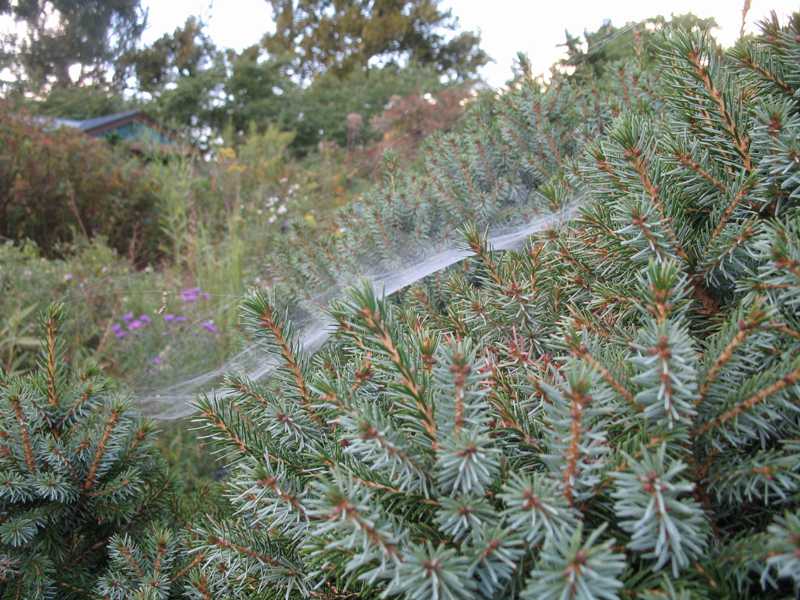 |
| Webbing like this indicates that a spider (Araneae) is nearby; all spiders are beneficial predators |
|
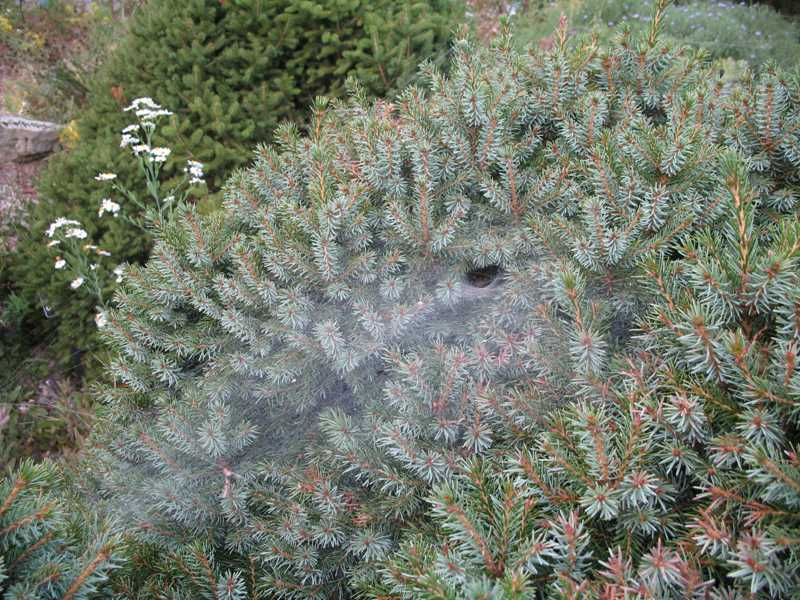 |
| Spiders (Araneae) are beneficial predators. Here, only the web is visible on a spruce (Picea), but the spider's probable location is obvious. |
|
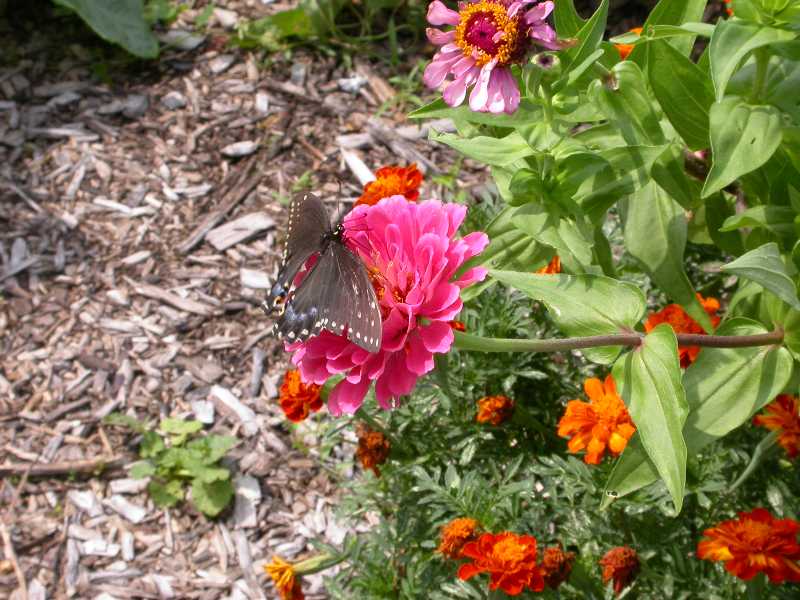 |
| Swallowtail (Lepidoptera) on zinnia |
|
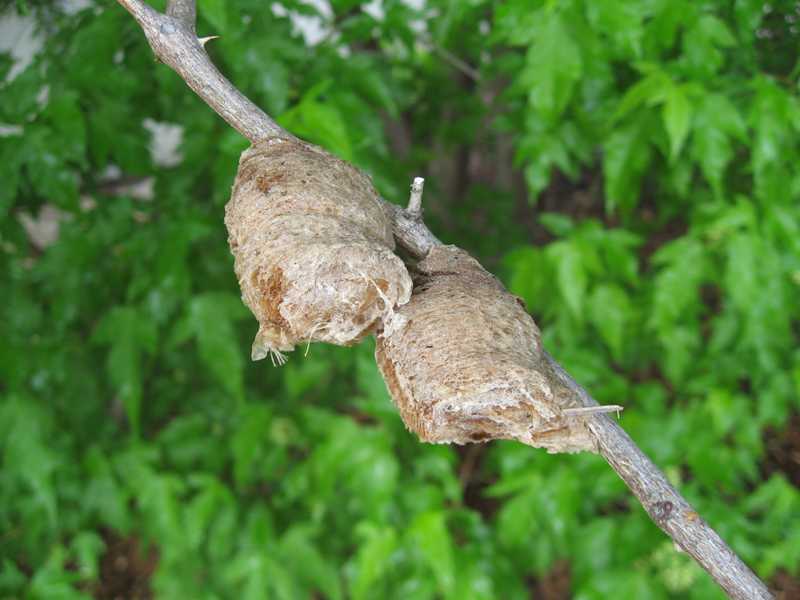 |
| Two egg cases of a Chinese praying mantis (Mantodea) |
|
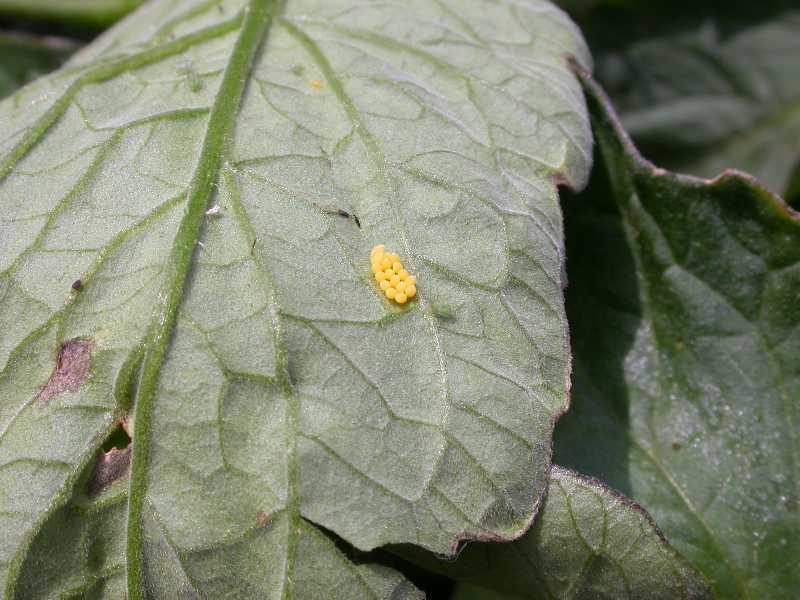 |
| Yellow lady beetle eggs (Coleoptera) on tomato (Lycopersicon) |
|
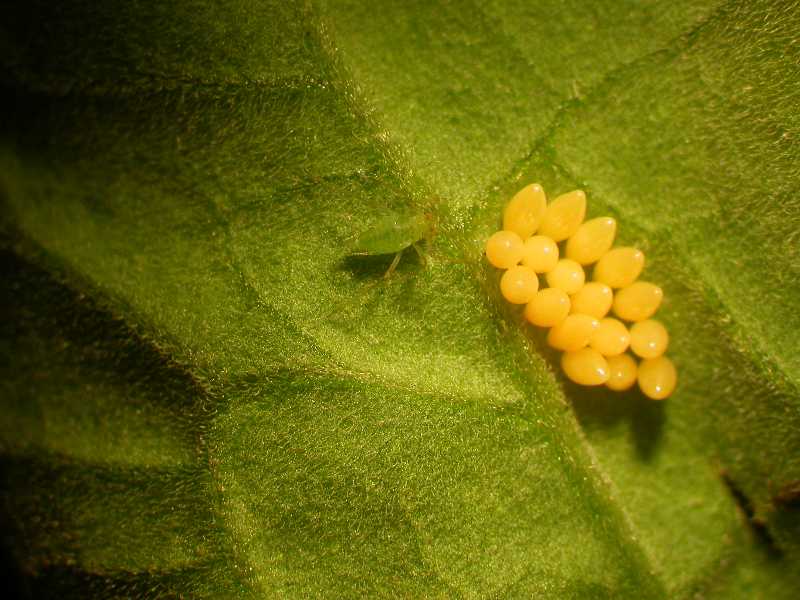 |
| Yellow lady beetle eggs (Coleoptera) with their future victim, an aphid (Hemiptera), on a tomato leaf (Lycopersicon) |
|
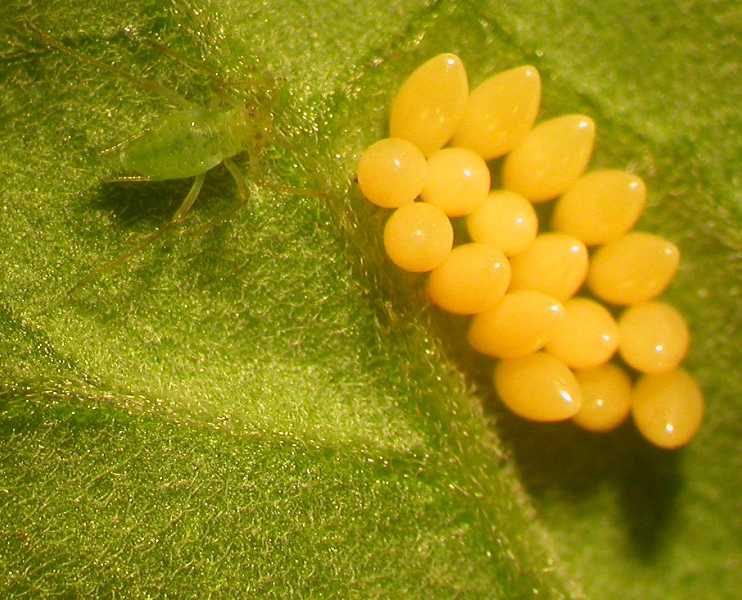 |
| Close-up of yellow lady beetle eggs (Coleoptera) with their future victim, an aphid (Hemiptera), on a tomato leaf (Lycopersicon) |
|
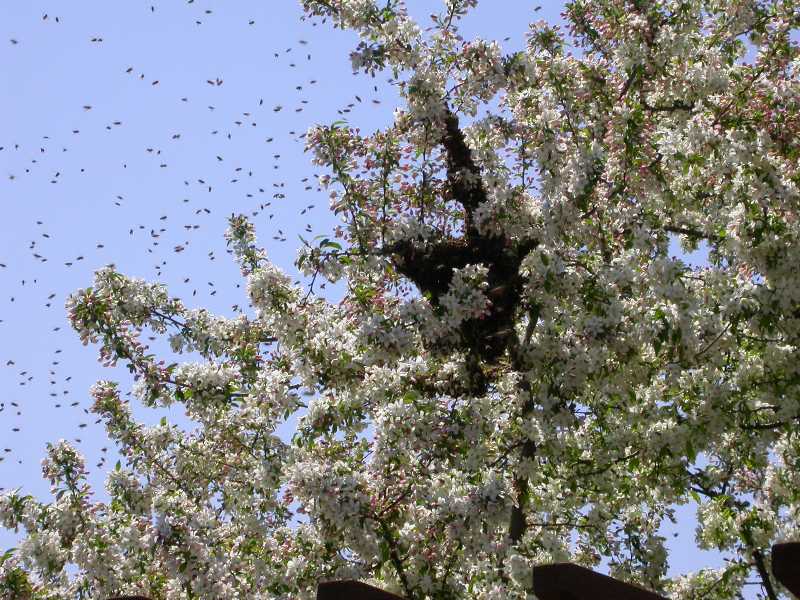 |
| Swarm of honeybees (Hymenoptera) on crabapple tree |
|
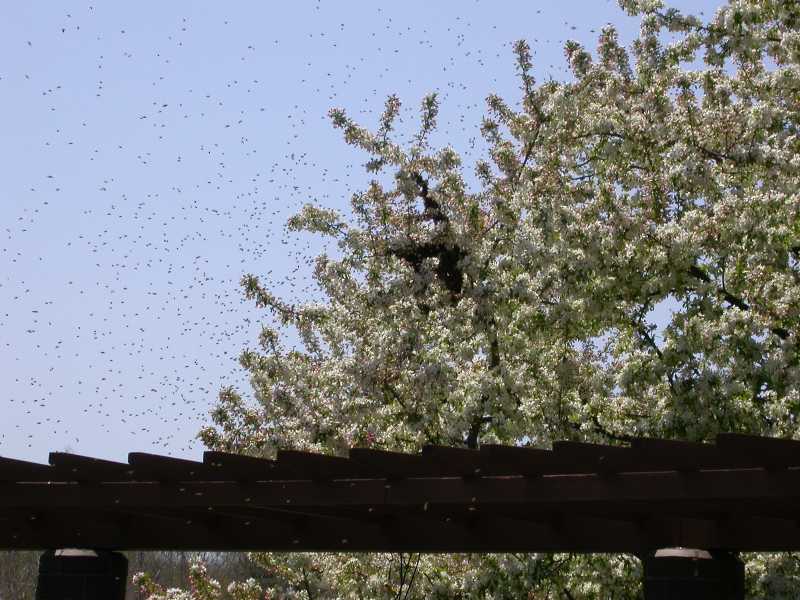 |
| Swarm of honeybees (Hymenoptera) on crabapple tree |
|
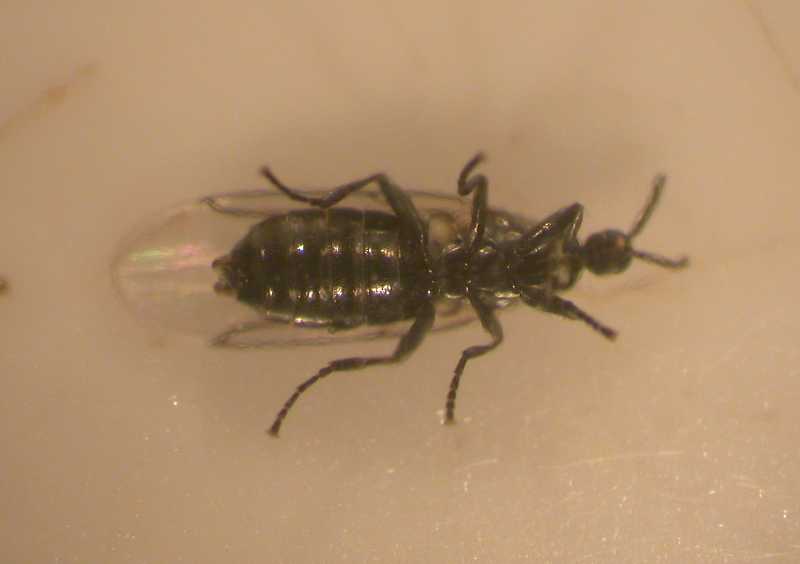 |
| Underside of minute black scavenger fly (Diptera) |
|
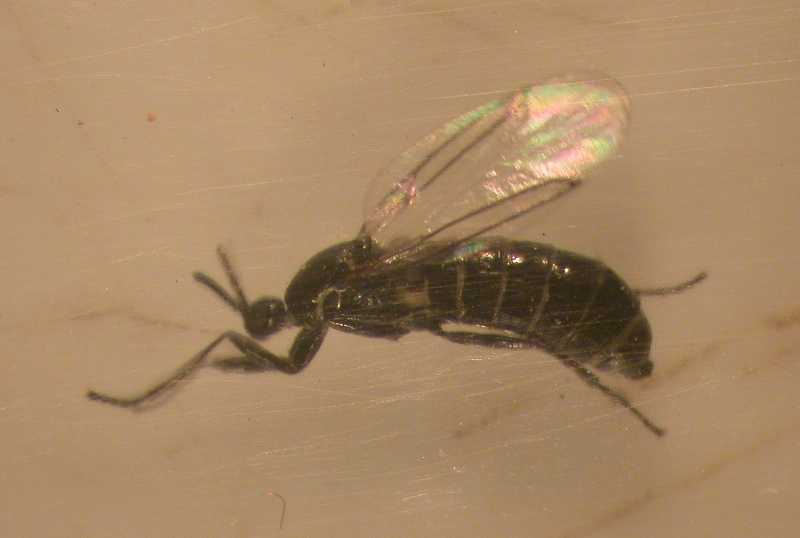 |
| Minute black scavenger fly (Diptera) |
|
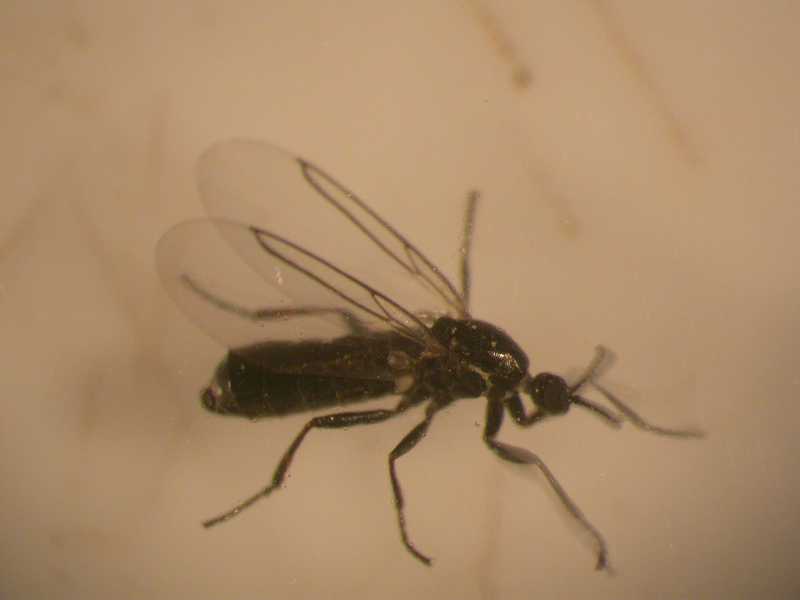 |
| Minute black scavenger fly (Diptera); these insects may congregate in large numbers on compost piles but are benign and simply part of the decay process |
|
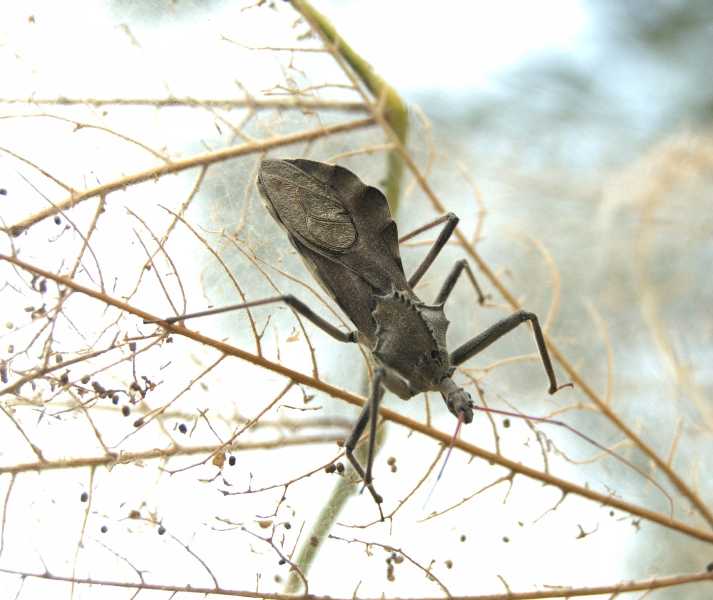 |
| Wheel bug, Arilus cristatus, is one of the largest of the assassin bugs (Hemiptera) |
|
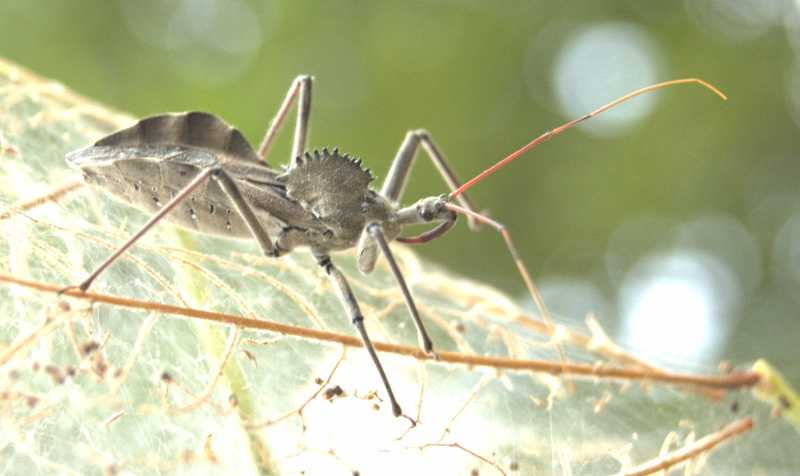 |
| A wheel bug, Arilus cristatus, is so called because of the semi-circular cog on its back that resembles a cogged wheel. Like other assassin bugs (Hemiptera) they eat other insects and their eggs |
|
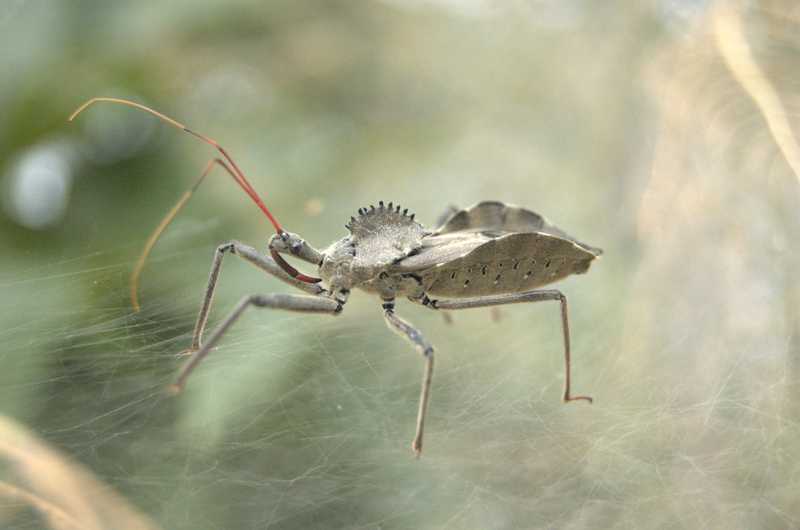 |
| Wheel bugs (Hemiptera), Arilus cristatus, are especially fond of caterpillars which they stab with their sharp beak and suck out the body fluids |
|
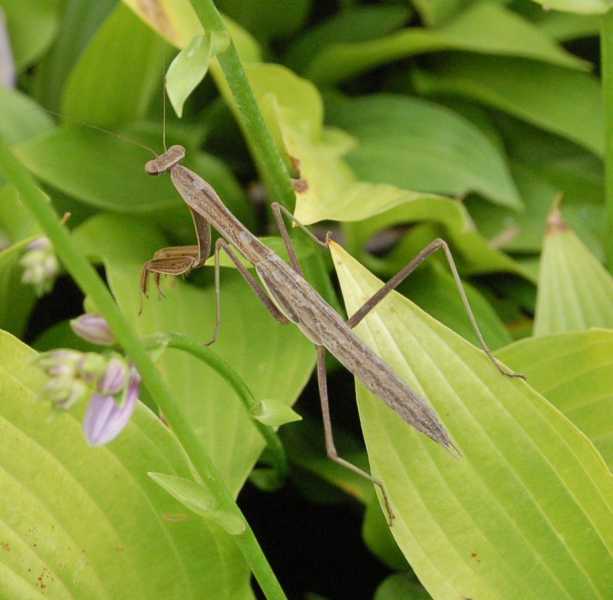 |
| Praying mantis (Mantodea) checking for pests on a hosta (Hosta) |
|
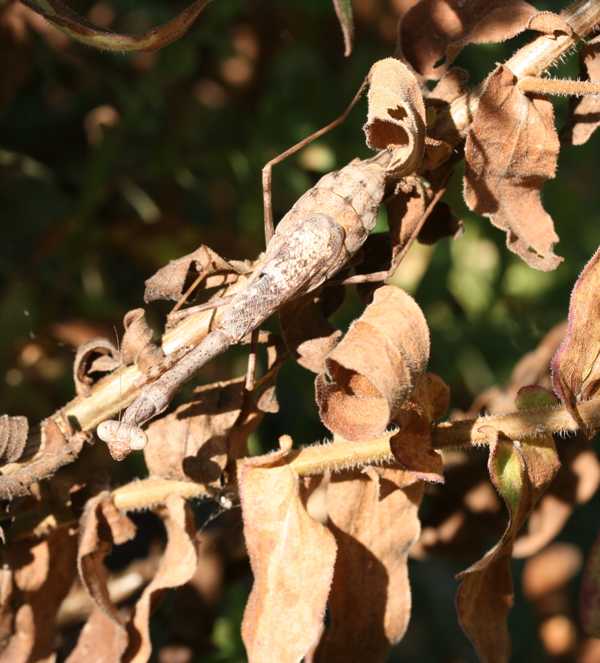 |
| Look closely! Death is lurking on the inner stems of this aster in the form of a camouflaged praying mantis (Mantodea) |
|
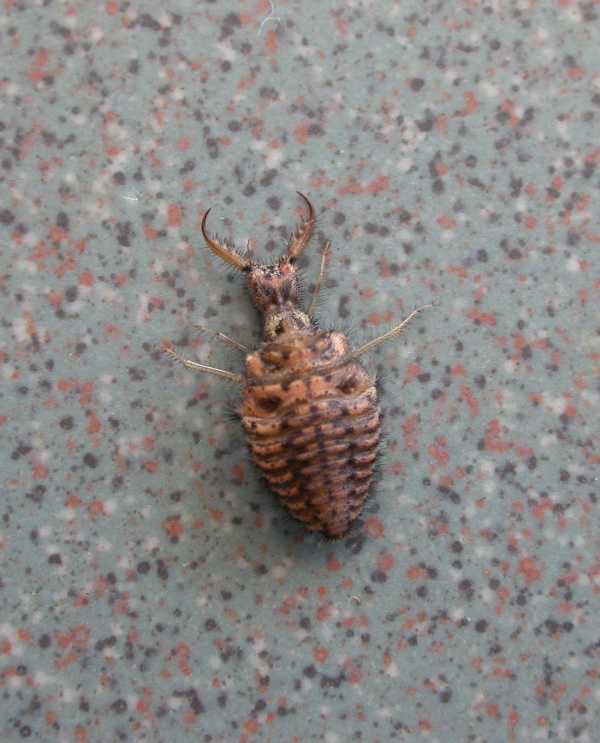 |
| Antlions (Neuoptera) are the larvae of an insect related to lacewings. Like lacewing larvae, they are beneficial predators. |
|
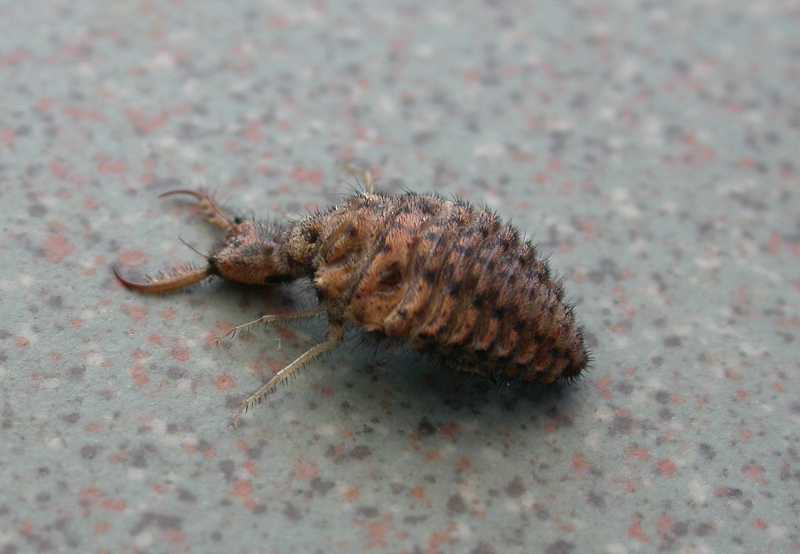 |
| Antlions (Neuroptera) are voracious predators that lie in wait for their victims, usually under loose soil, although sometimes in trees. |
|
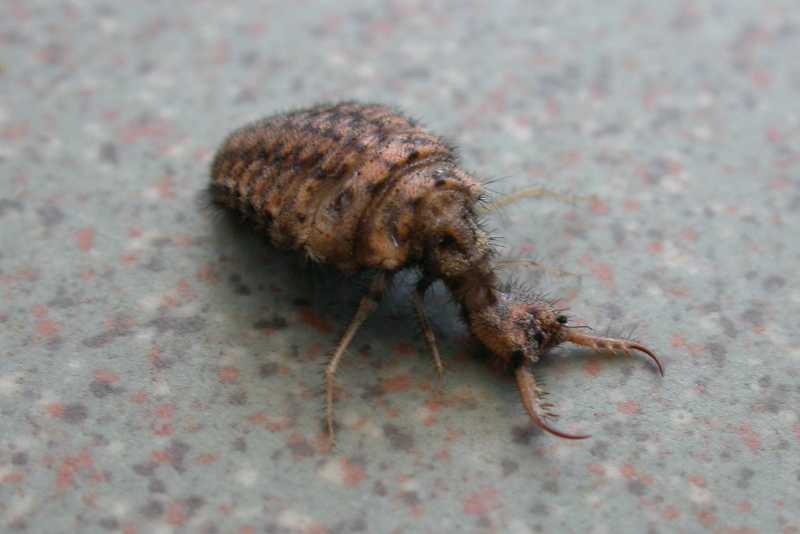 |
| Some antlions called doodlebugs (Neuoroptera) dig a conical pit in loose sand to trap prey. Note, the enornous mandibles on this specimen used to eat ants and other insects. |
|
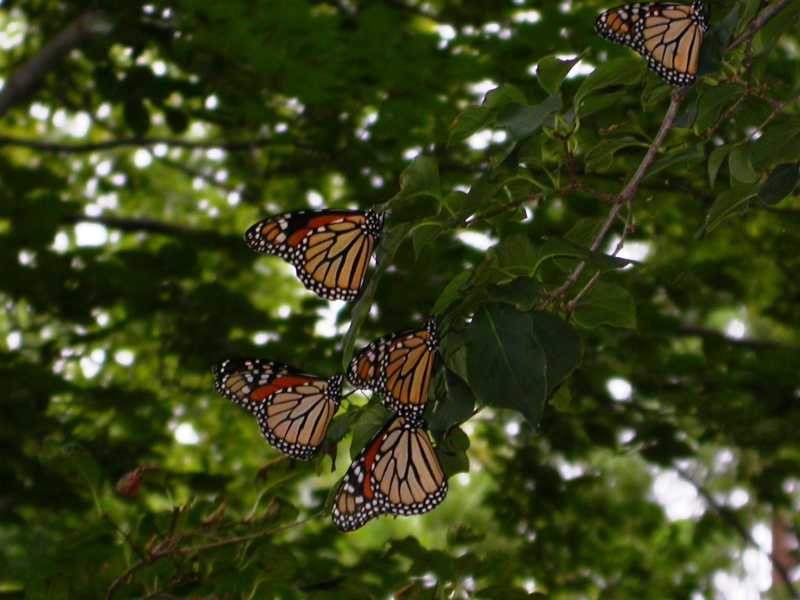 |
| Monarch butterflies (Lepidoptera) gathering on a dogwood (Cornus) |
|
 |
| Not all flies (Diptera) are pests; many are parasites and many are part of the natural decay process |
|
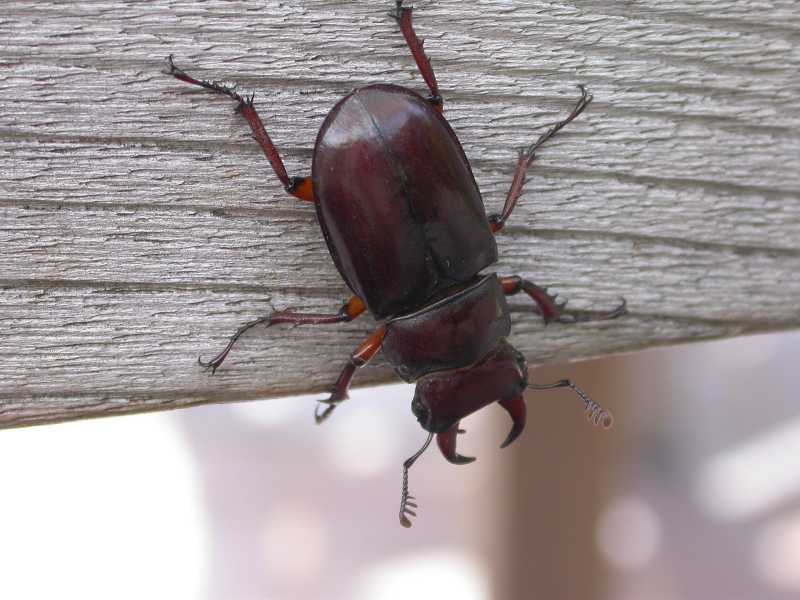 |
| Stag beetle (Coleoptera). The adults are benign; the larvae (grubs) feed on decayed wood |
|
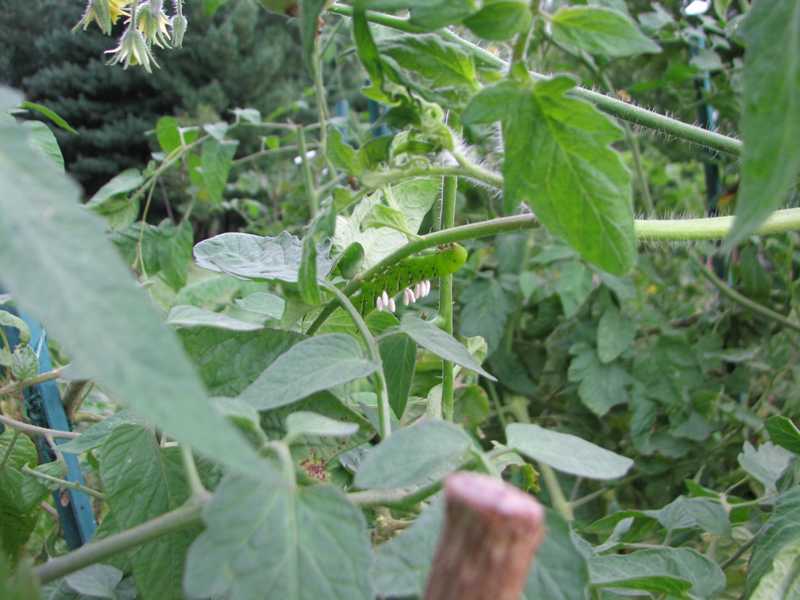 |
| The white cocoons visible on the back of this tobacco hornworm (Lepidoptera) are braconid wasps (Hymenoptera) that have eaten the hornworm alive |
|
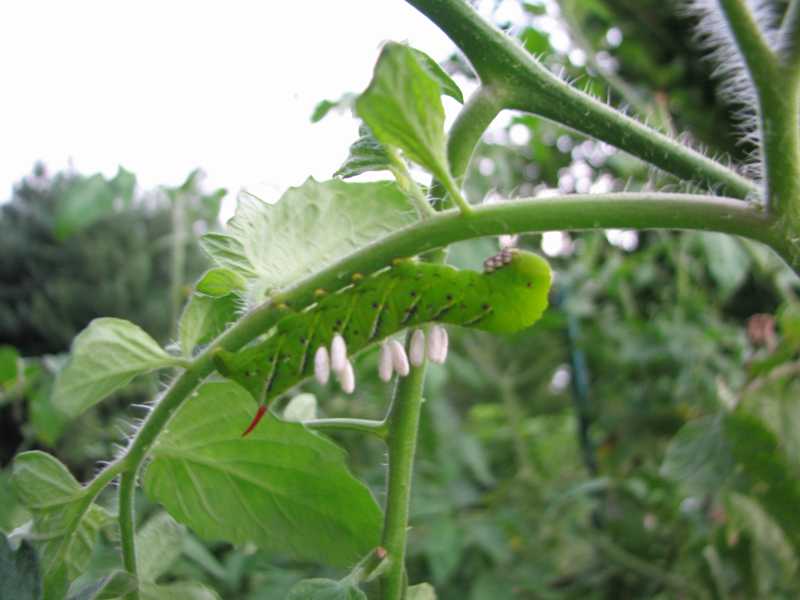 |
| The white cocoons on the back of this tobacco hornworm (Lepidoptera) are braconid wasps (Hymenoptera) that have eaten the hornworm alive |
|
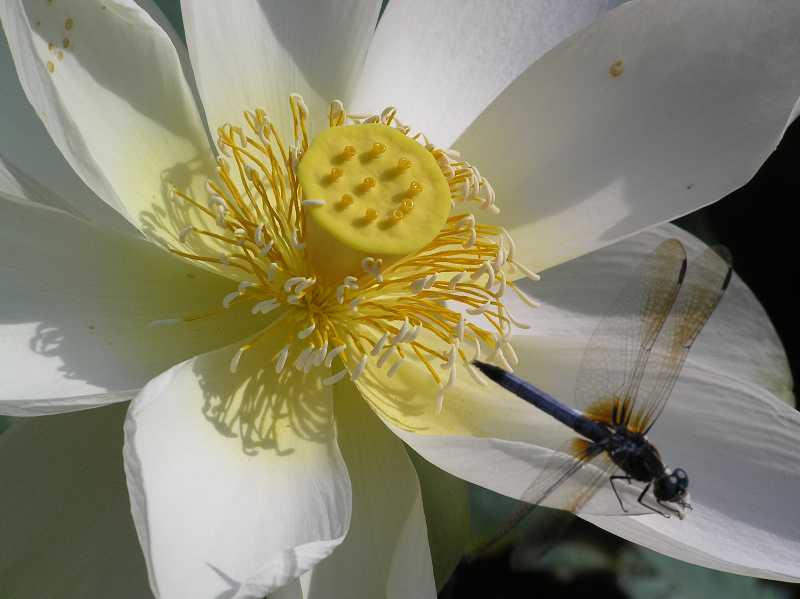 |
| Dragonfly (Odonata) on waterlily (Nymphaea) |
|
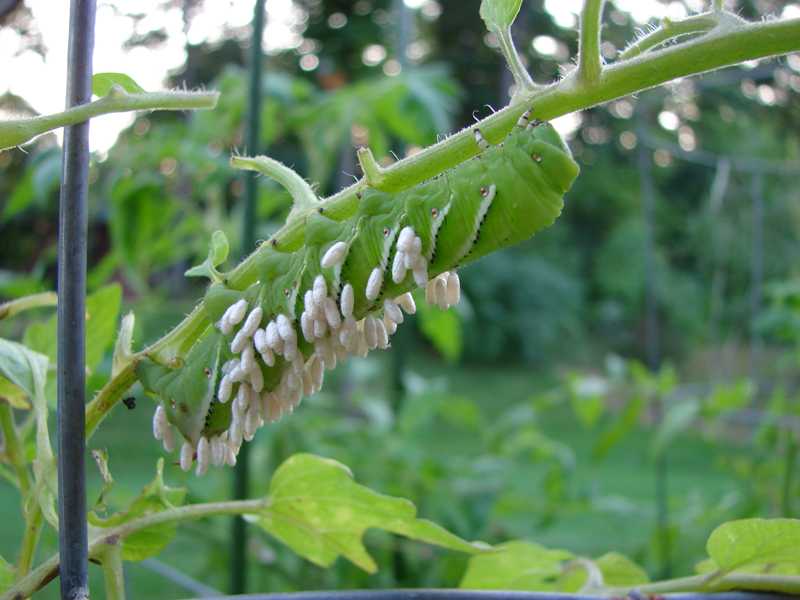 |
| Tobacco hornworm (Lepidoptera) on tomato (Lycopersicon) with parasitic braconid wasps (Hymenoptera) in the white cocoons on its back |
|
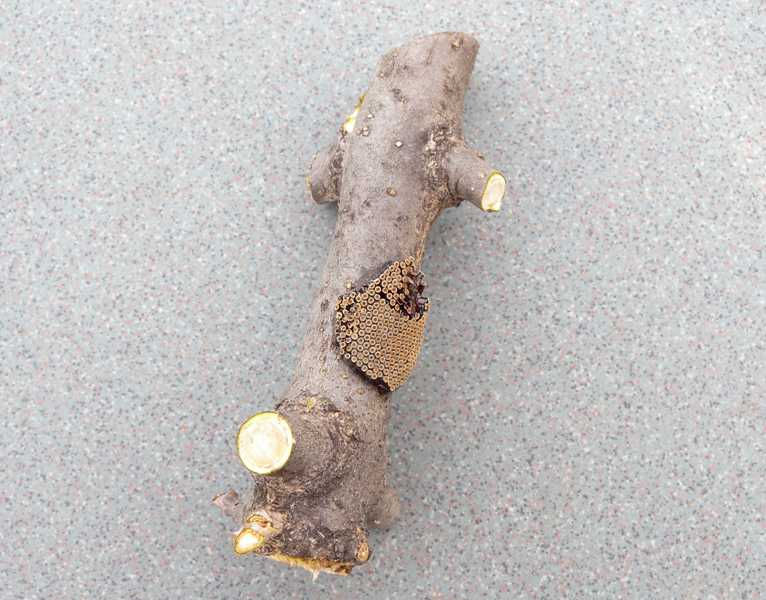 |
| If you see a mass of eggs like this, leave it where it is. Wheel bugs (Hemiptera), Arilus cristatus, are beneficial insects that are especially fond of caterpillars |
|
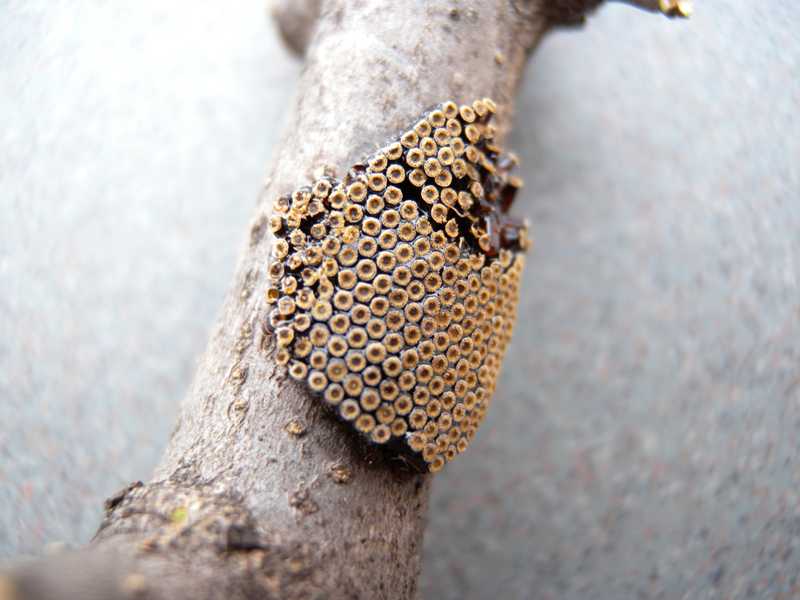 |
| Wheel bug eggs (Hemiptera), Arilus cristatus, on a ash twig (Fraxinus) |
|
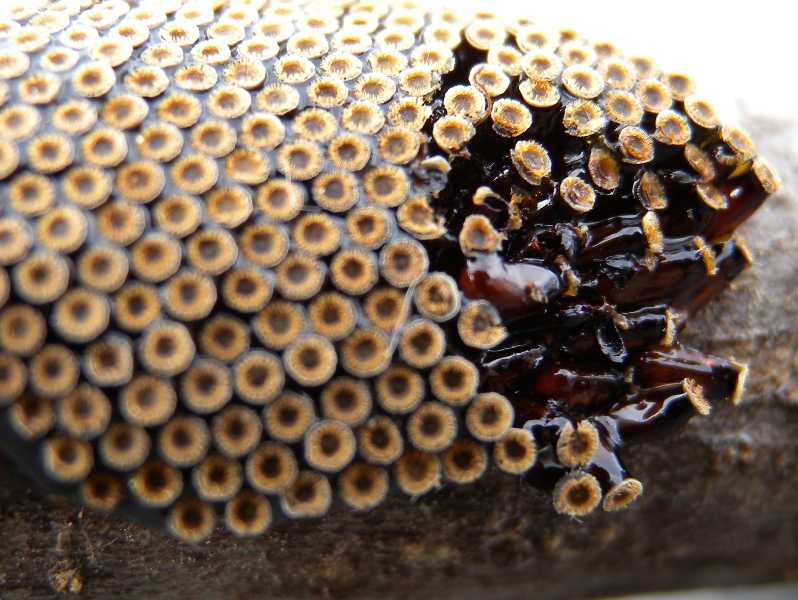 |
| Close-up of wheel bug eggs (Hemiptera), Arilus cristatus; note, barrel-shape of the eggs typical of true bugs |
|
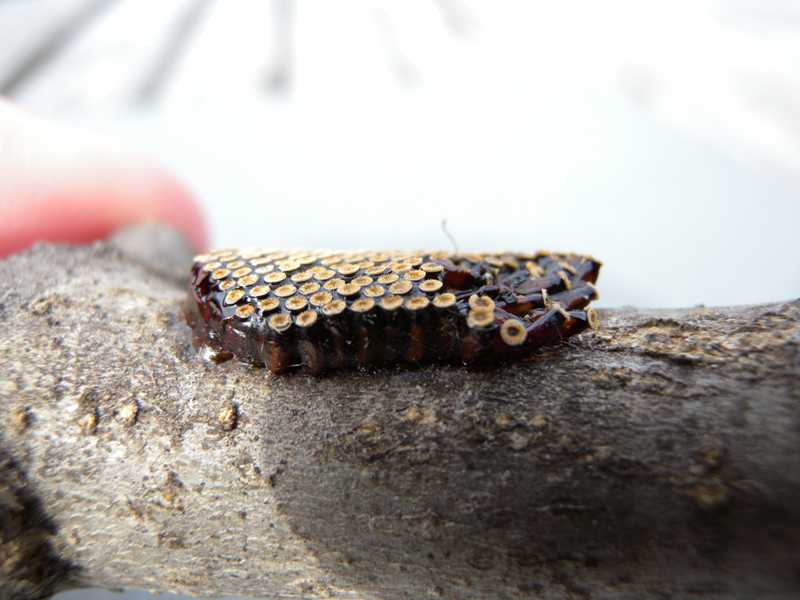 |
| Wheel bug eggs (Hemiptera), Arilus cristatus |
|
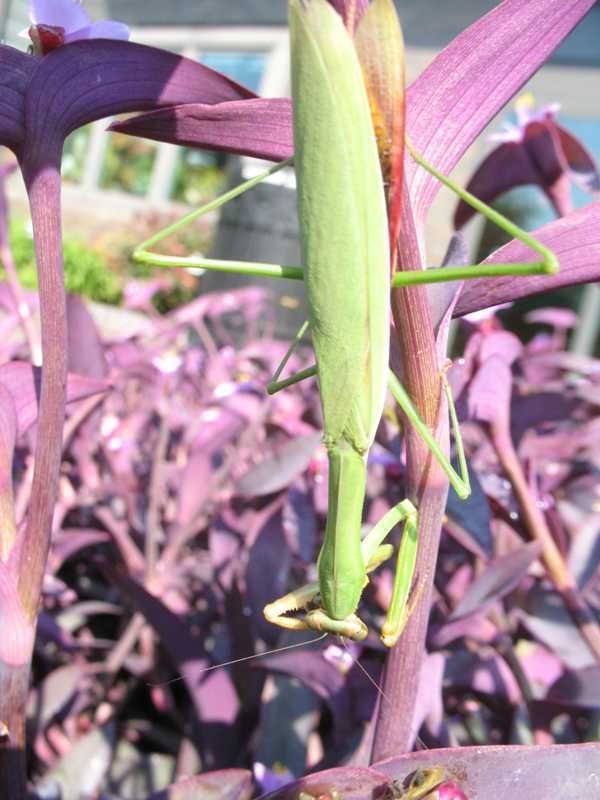 |
| Chinese praying mantis (Mantodea) |
|
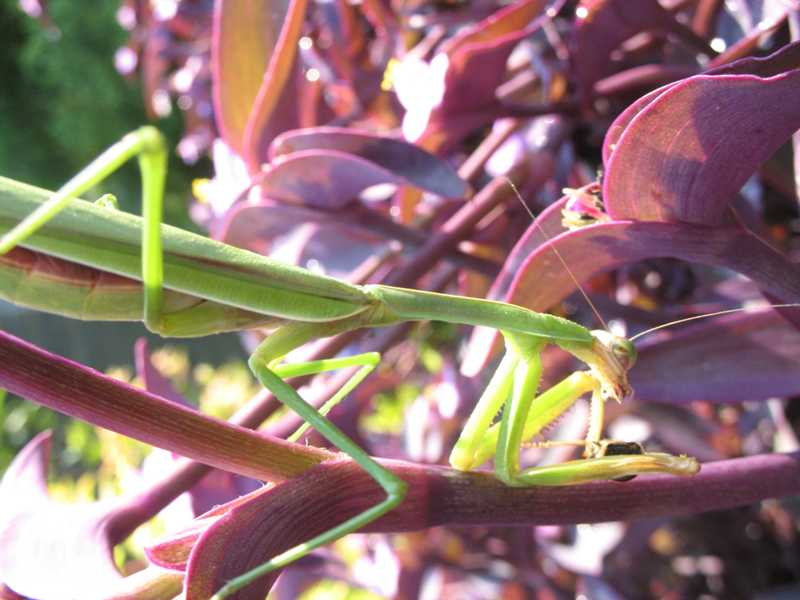 |
| Chinese praying mantis (Mantodea) eating its prey |
|
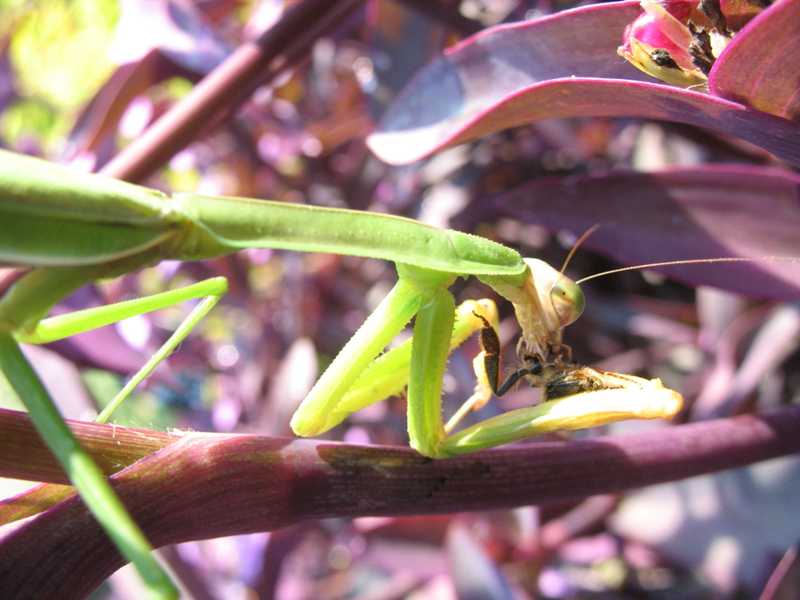 |
| Close-up of Chinese praying mantis (Mantodea) devouring its prey |
|
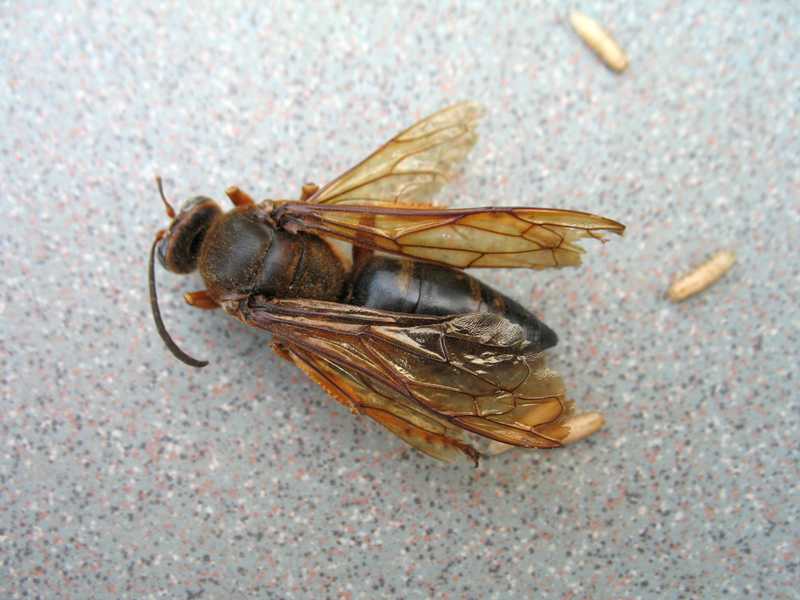 |
| This cicada killer wasp (Hymenoptera), itself a beneficial insect, was parasitized by these fly larvae or maggots (Diptera) |
|
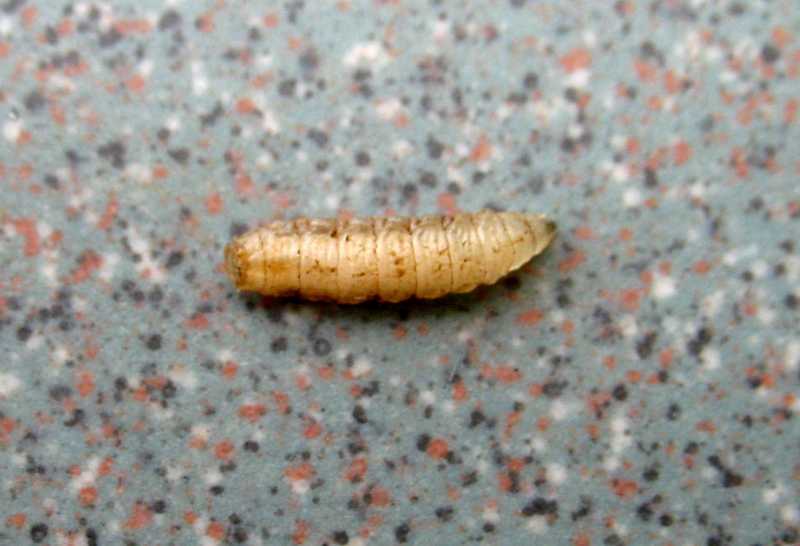 |
| The pupa of a parasitic fly (Diptera) that came out of a cicada killer wasp (Hymenoptera) while it was still alive |
|
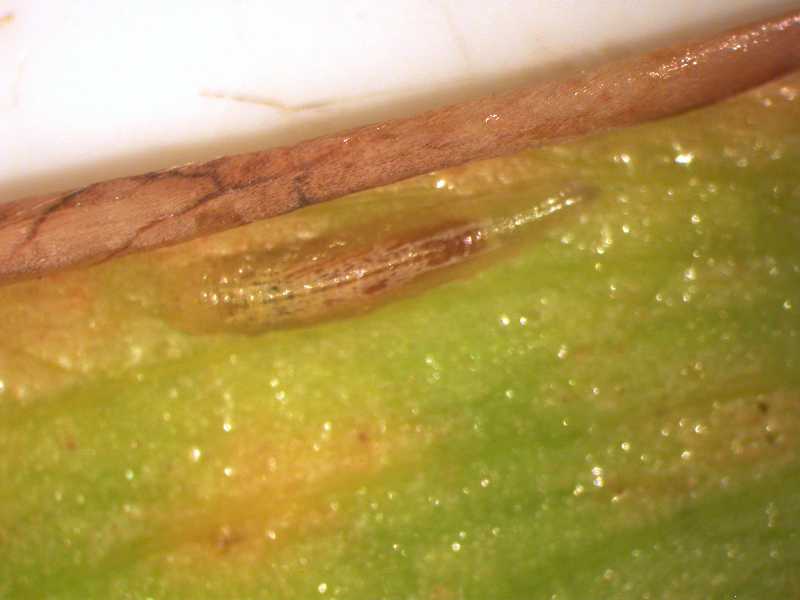 |
| Possible syrphid fly maggot (Diptera) feeding on the aphids (Hemiptera) on an iris bud; it was hidden in the flower sheath |
|
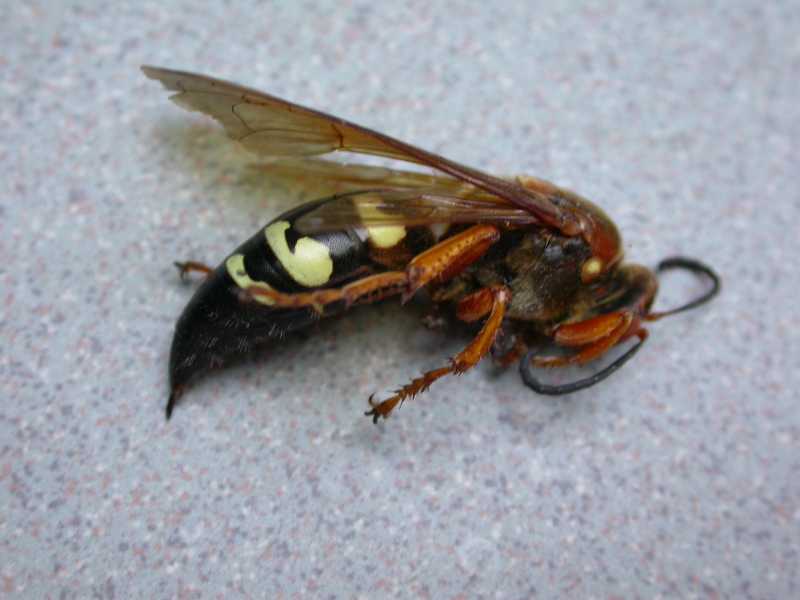 |
| Cicada killer wasp (Hymenoptera) |
|
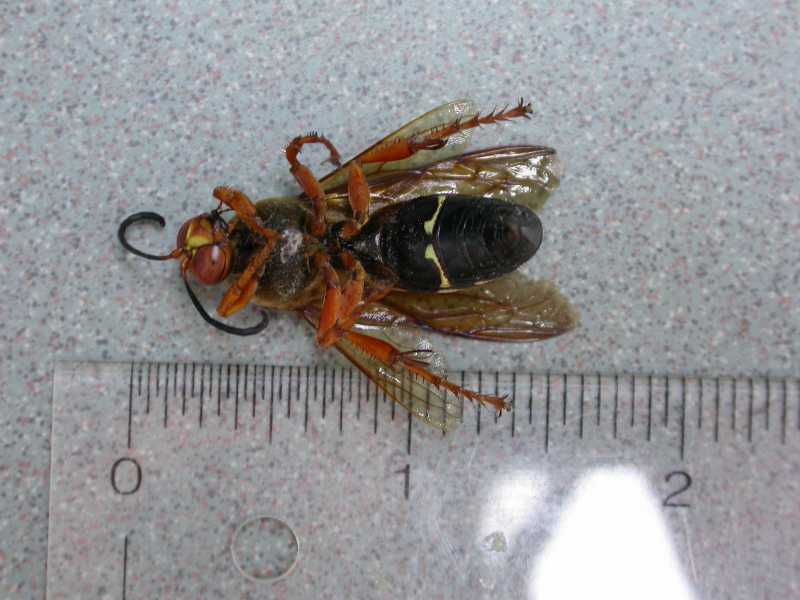 |
| Underside of cicada killer wasp (Hymenoptera) |
|
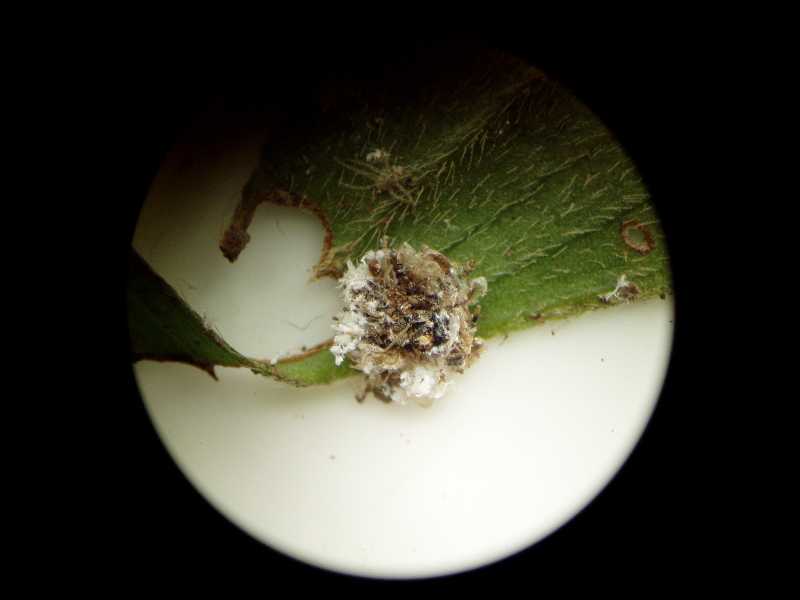 |
| Some lacewing larvae (Neuroptera) stick the bodies of the victims to their backs, making them look like moving piles of debris. |
|
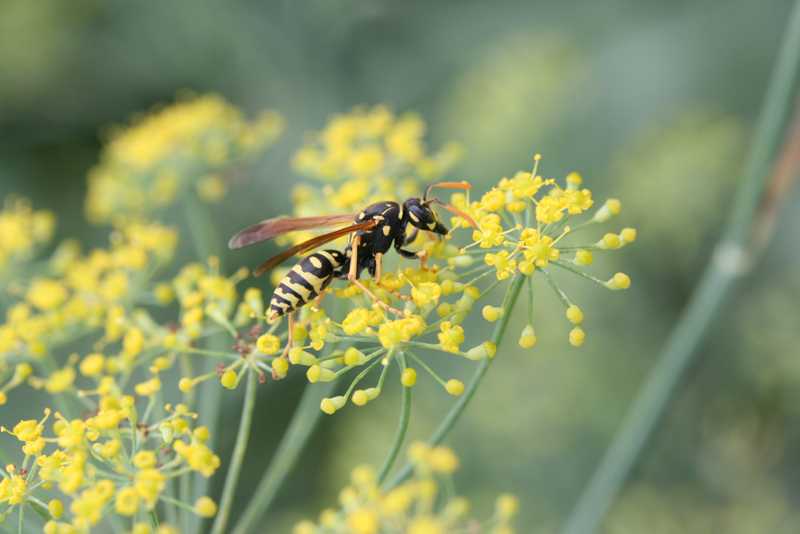 |
| European paper wasp (Hymenoptera)--Polistes dominulus-- often mistaken for a yellow jacket, but note unique orange antennae. Adults feed on nectar; larvae are fed caterpillars and other insects. |
|
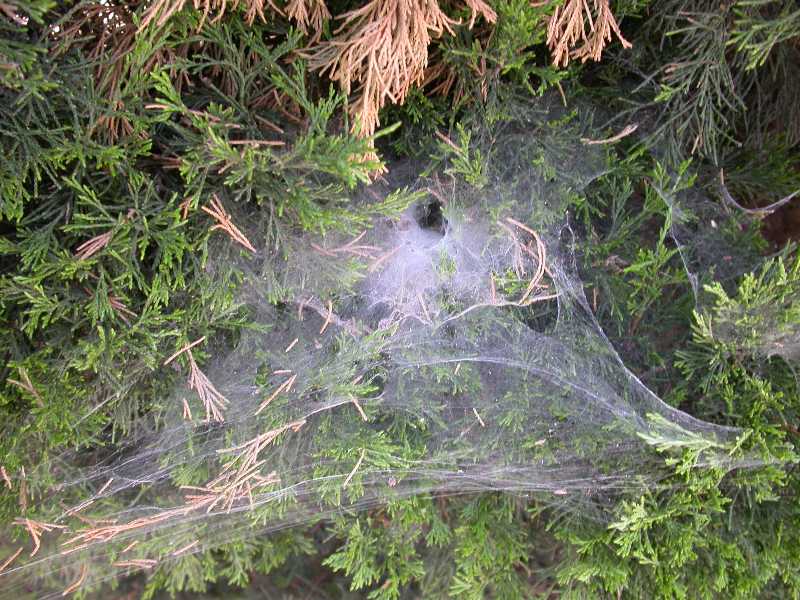 |
| A spider web in the garden is good to have, because spiders eat garden pests, not plants |
|
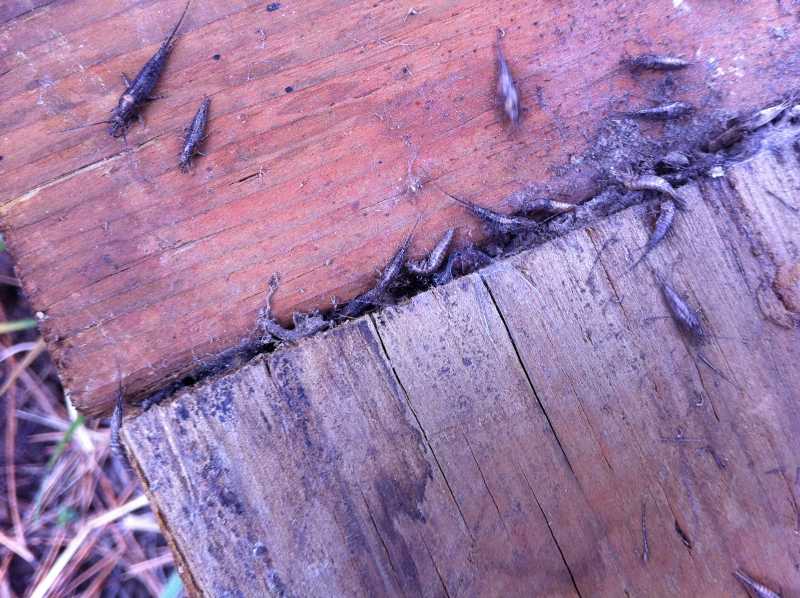 |
| Bristletails (Microcoryphia) usually feed at night on algae, lichen, moss, or decaying vegetation |
|
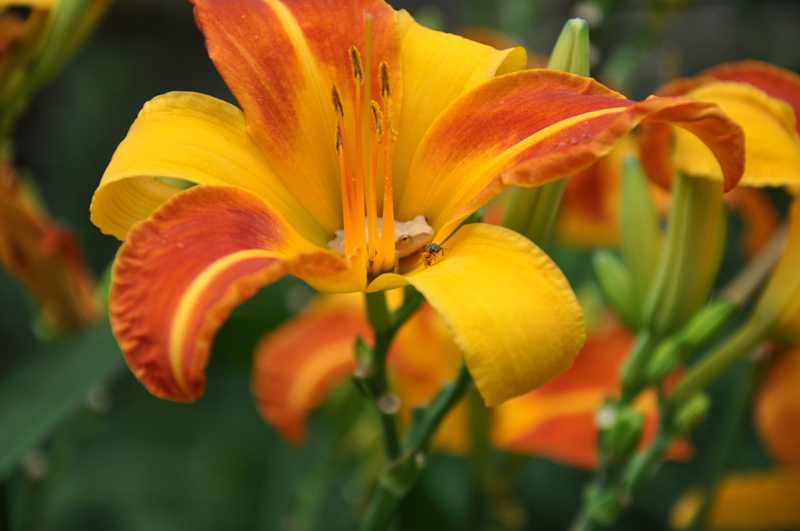 |
| Northern spring peeper with lunch hidden in a daylily flower (Hemerocallis) |
|
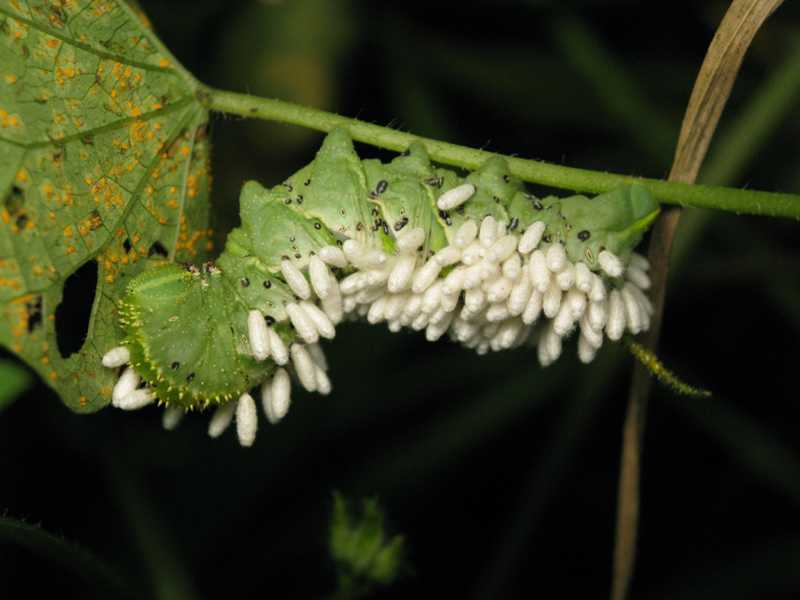 |
| This hornworm (Lepidoptera) was eaten alive by parasitic braconid wasps (Hymenoptera) now pupating in the white cocoons on its back |
|
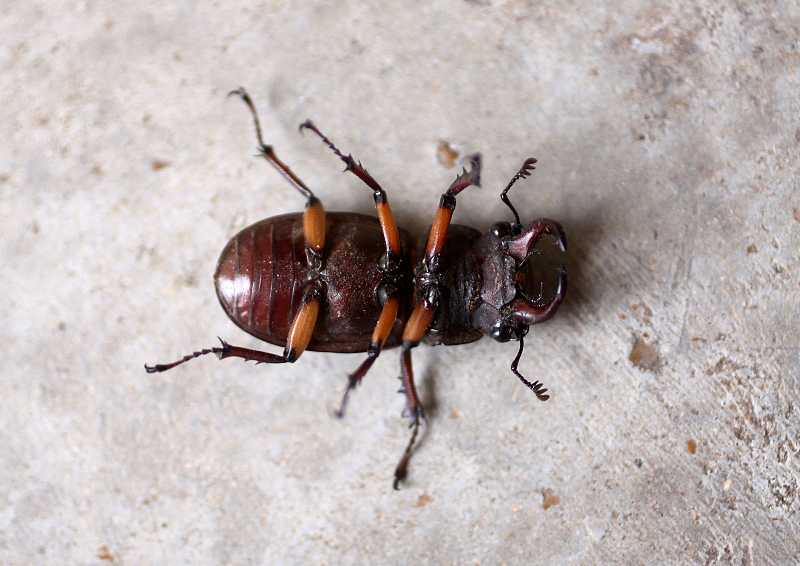 |
| Underside of a stag beetle (Coleoptera). The adults are benign; the larvae (grubs) feed on decayed wood |
|
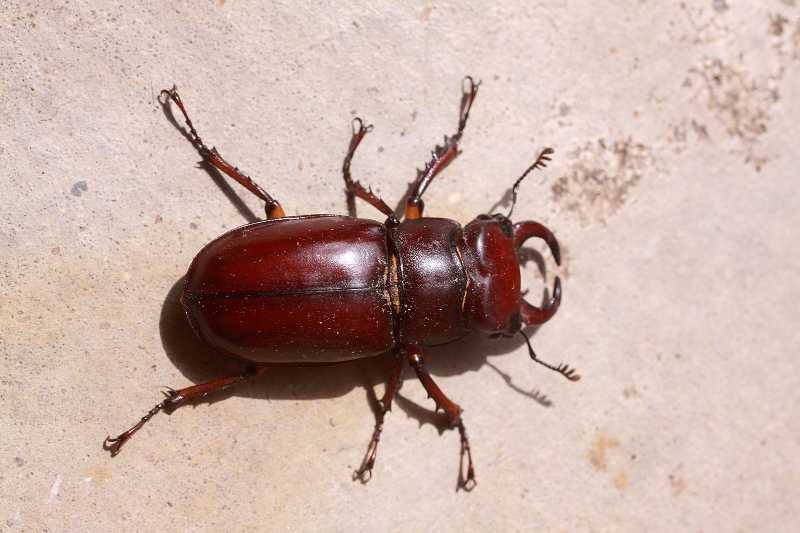 |
| Stag beetle (Coleoptera). The adults are benign; the larvae (grubs) feed on decayed wood |
|
 |
| Wheel bugs (Hemiptera) mating; these are beneficial predators. |
|
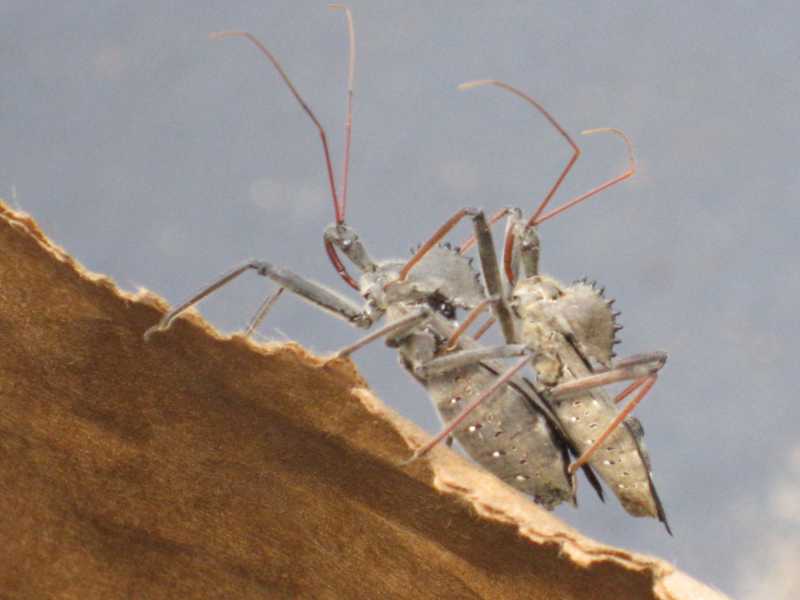 |
| Wheel bugs (Hemiptera) mating; these are beneficial predators. |
|
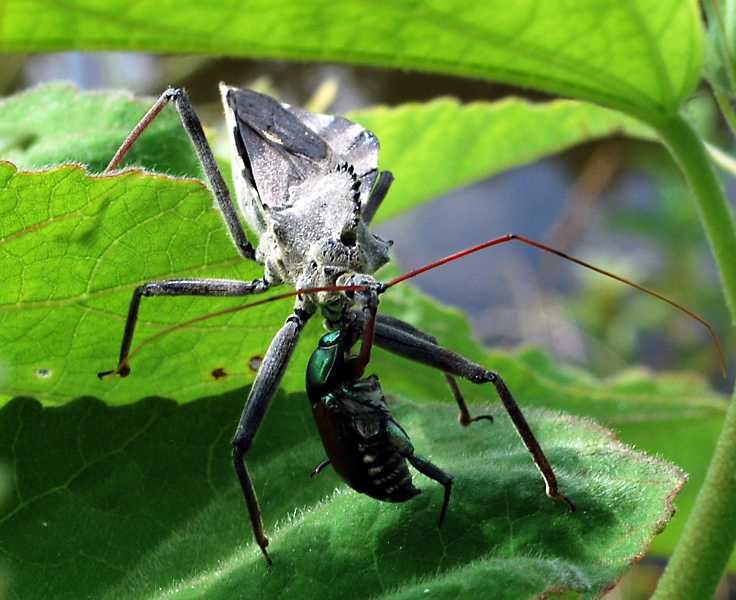 |
| Wheel bug (Hemiptera) eating a Japanese beetle (Coleoptera) |
|
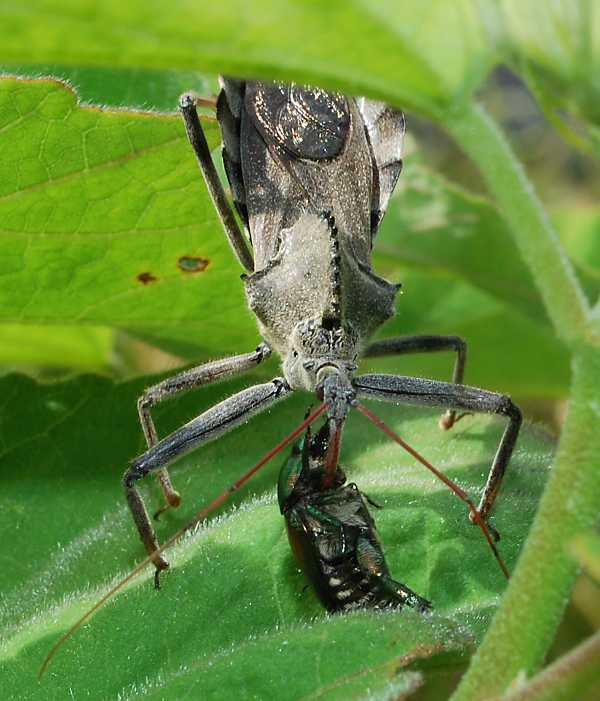 |
| Wheel bug (Hemiptera) eating a Japanese beetle (Coleoptera) |
|
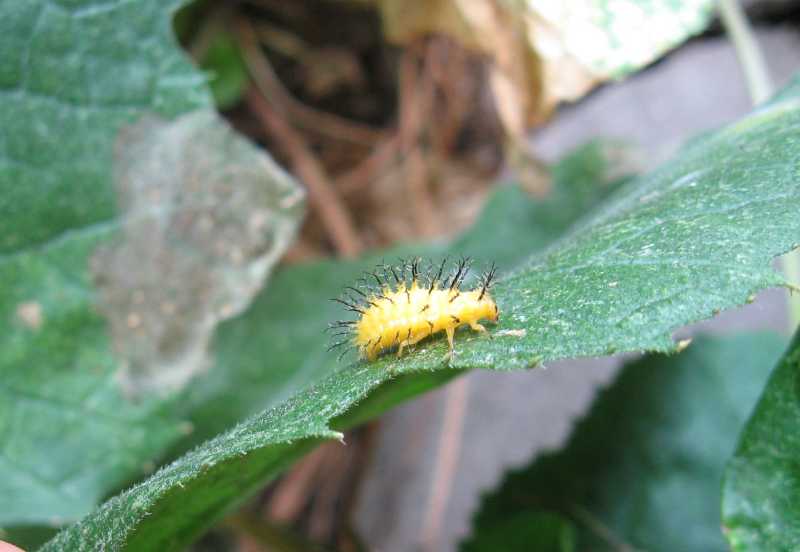 |
| Not all lady beetles are beneficial. This squash lady beetle larva, Epilachna borealis (Coleoptera) is eating the leaves of a squash plant (Cucurbita) |
|
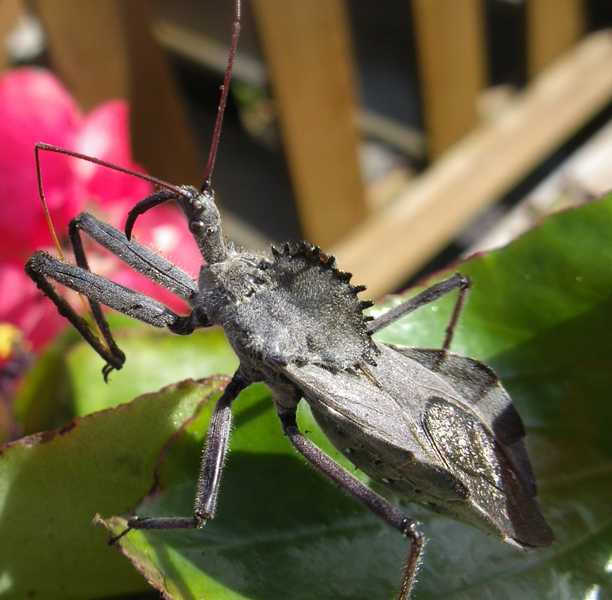 |
| Wheel bug adult (Hemiptera), a predatory beneficial insect; note, proboscis used for stabbing victims |
|
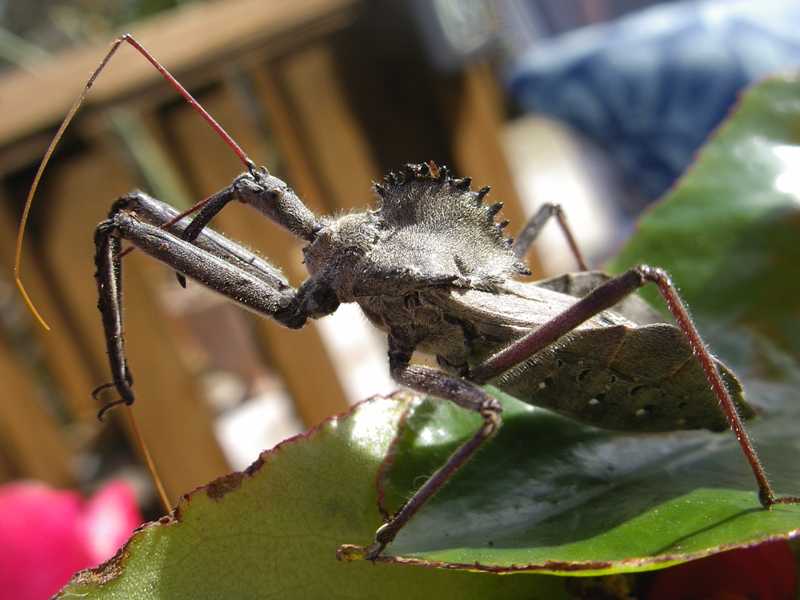 |
| Wheel bug adult (Hemiptera), a predatory beneficial insect; note, proboscis used for stabbing victims |
|
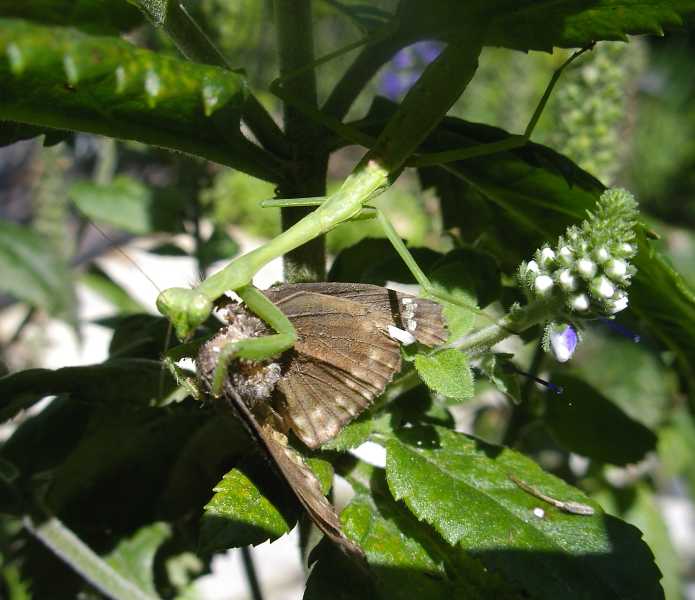 |
| Praying mantis (Mantodea) eating a moth (Lepidoptera) |
|
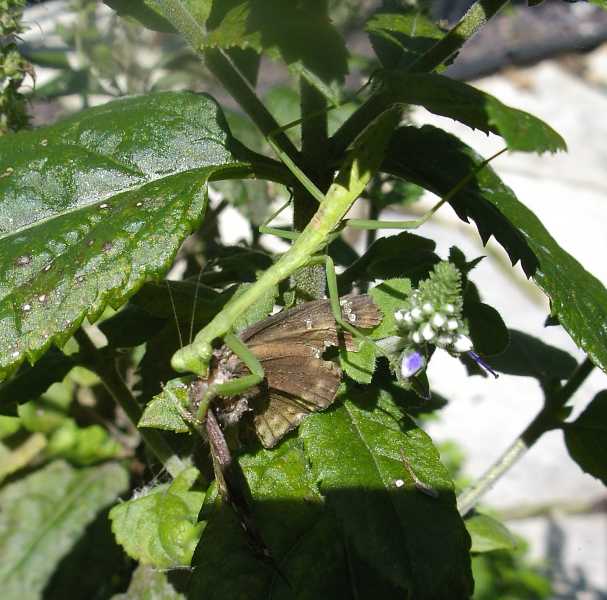 |
| Praying mantis (Mantodea) eating a moth (Lepidoptera) |
|
 |
| Multicolored asian lady beetle adult (Coleoptera) |
|
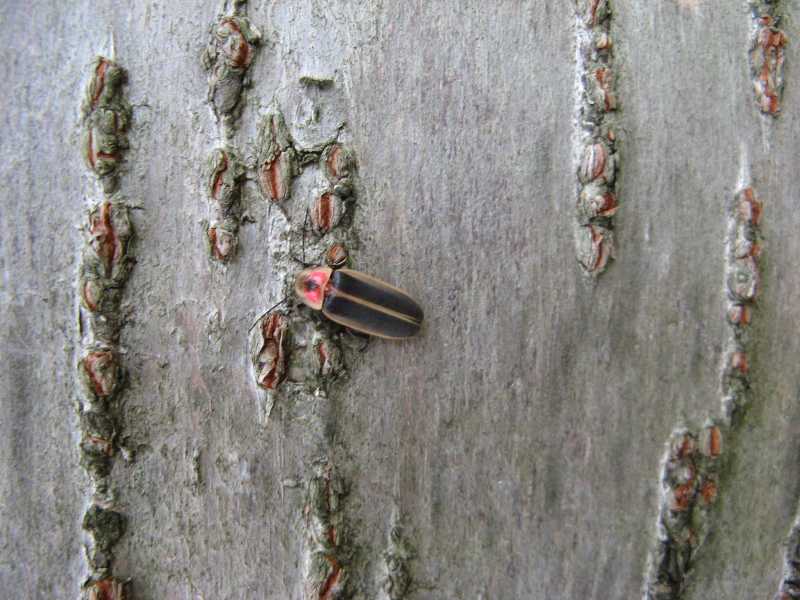 |
| Lightning bug adults (Coleoptera) do not feed; the larvae are beneficial predators |
|
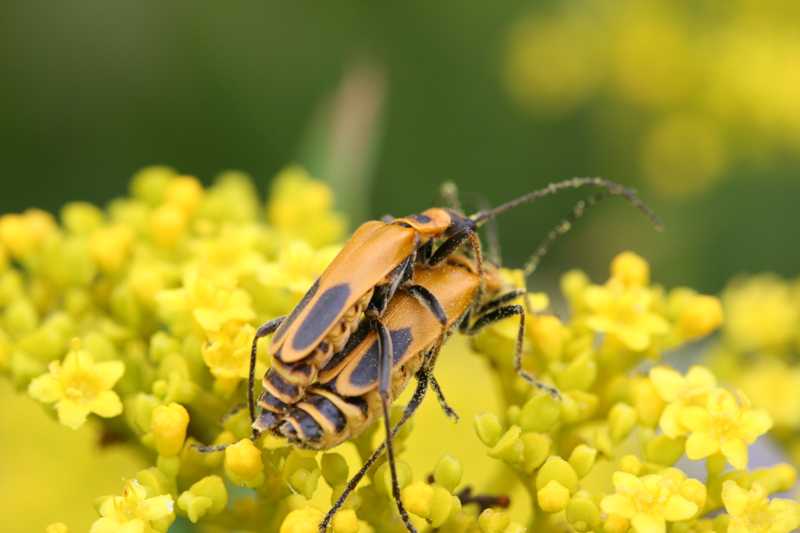 |
| Soldier beetle adults (Coleoptera) mating; aka leatherwings. The adults eat pollen or nectar; the larvae are beneficial predators. |
|
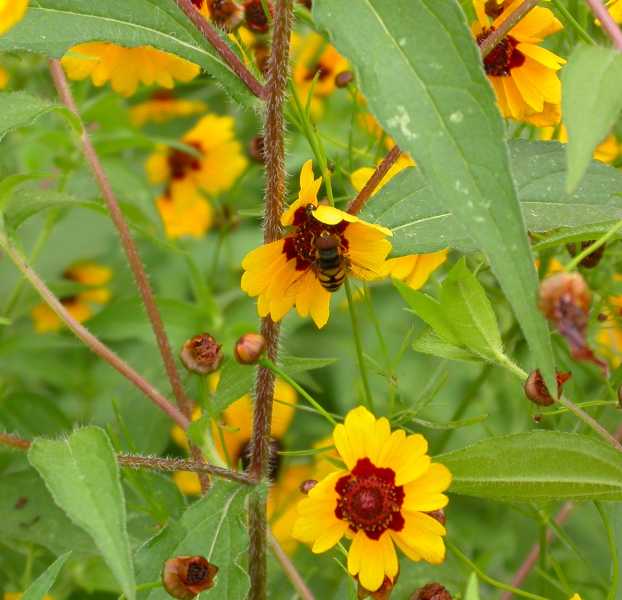 |
| Hover flies (Diptera) or flower flies are types of syrphid flies. The adults, like this one on Coreopsis tinctoria, are beneficial pollinators while most larvae are beneficial predators |
|
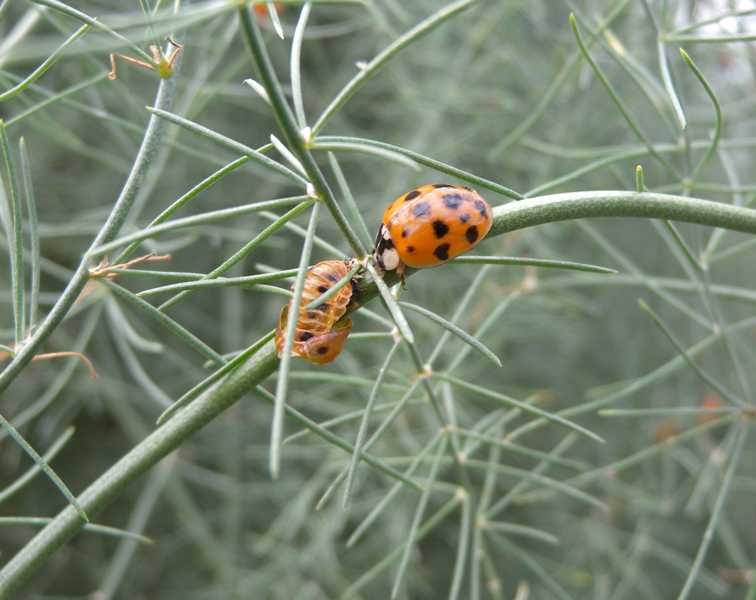 |
| Adult lady beetle (Coleoptera) just emerged from its pupal case (left) on Asparagus 'Purple Passion' |
|
 |
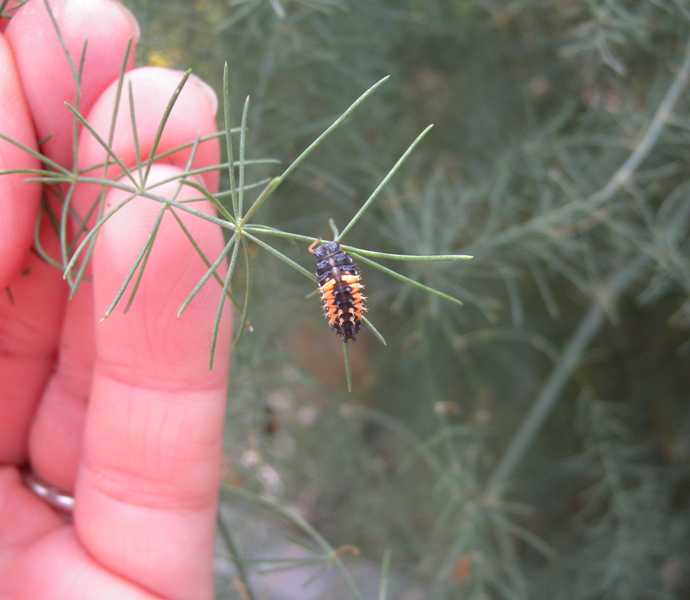
| Lady beetle larva (Coleoptera) on Asparagus 'Purple Passion' |
|
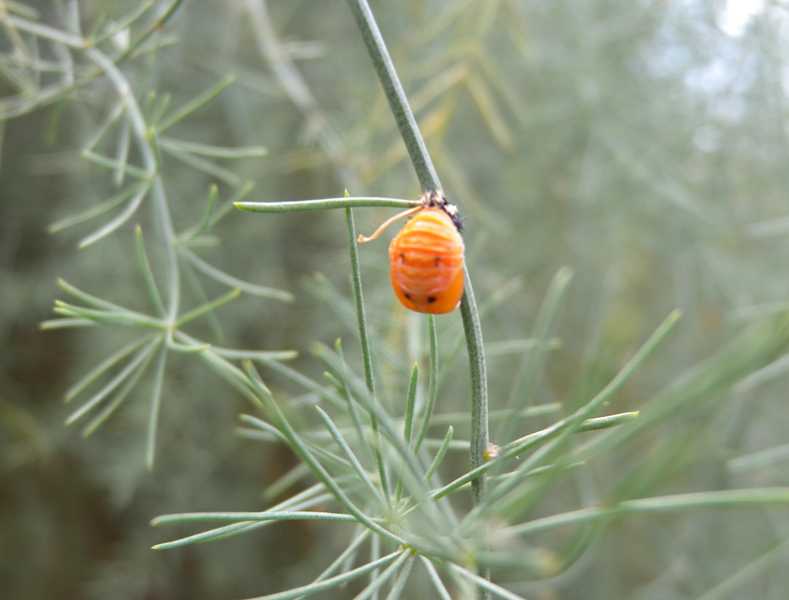 |
| Lady beetle pupa (Coleoptera) on Asparagus 'Purple Passion' |
|
 |
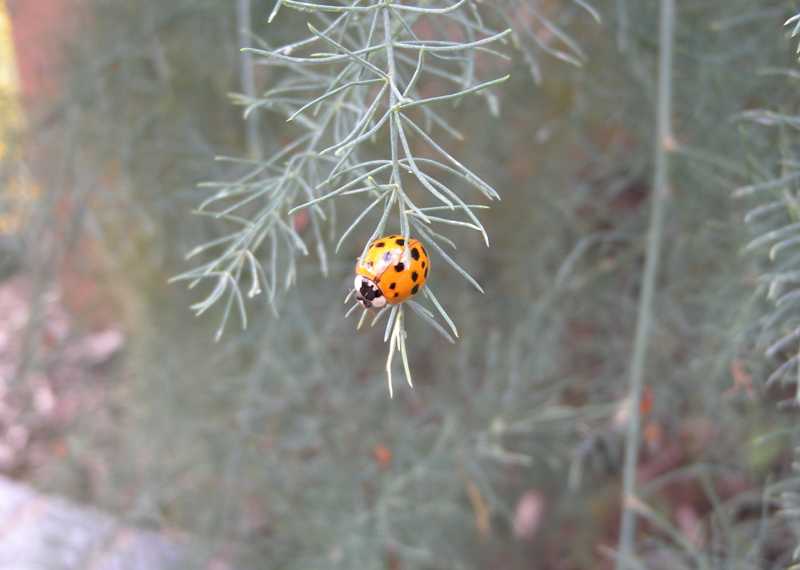
| Adult lady beetle (Coleoptera) on Asparagus 'Purple Passion' |
|
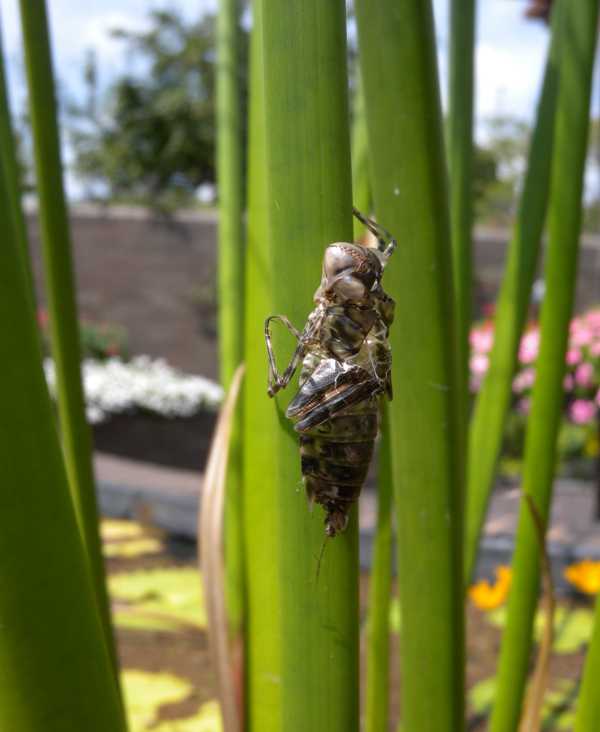 |
| Molted skin of a dragonfly (Odonata) on papyrus (Cyperus) |
|
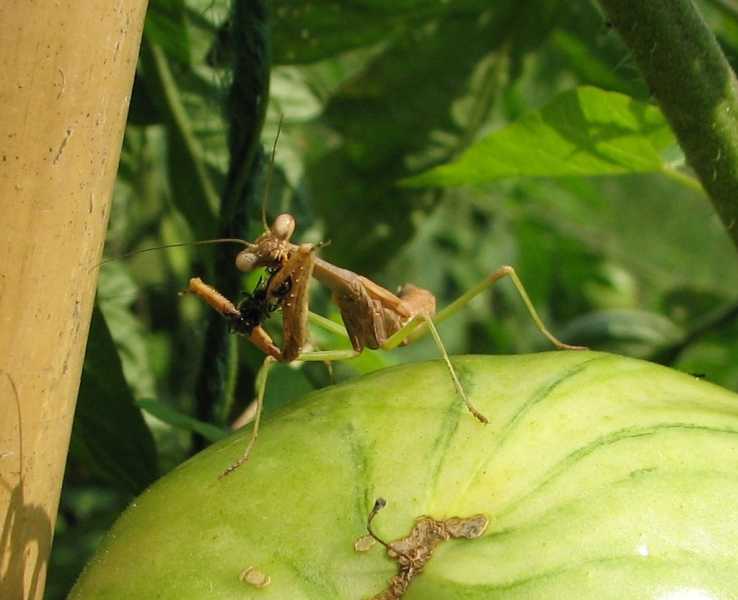 |
| Praying mantis (Mantodea) eating its prey on a tomato (Lycopersicon) |
|
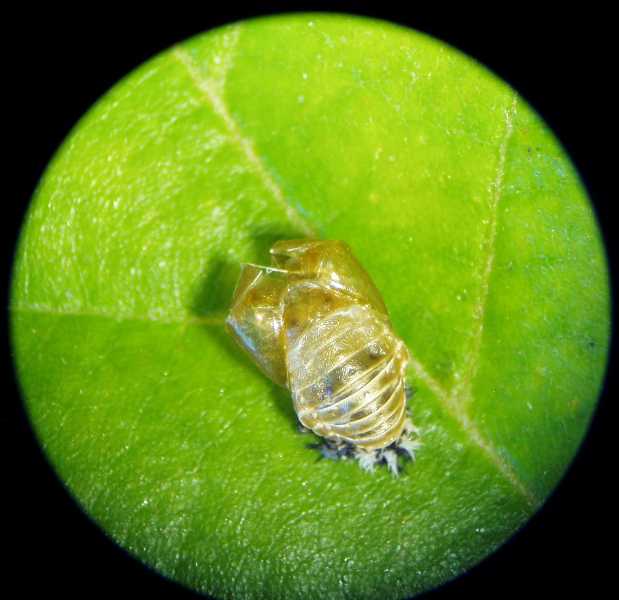 |
| Empty pupal case of a lady beetle (Coleoptera) |
|
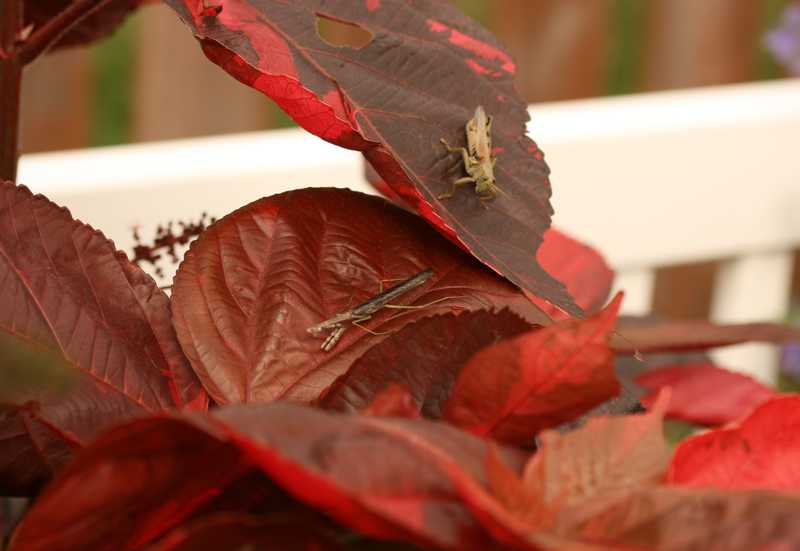 |
| A praying mantis adult (Mantodea) awaiting dinner from above? Or is it a standoff with the grasshopper (Orthoptera) on a copperleaf (Acalypha) |
|
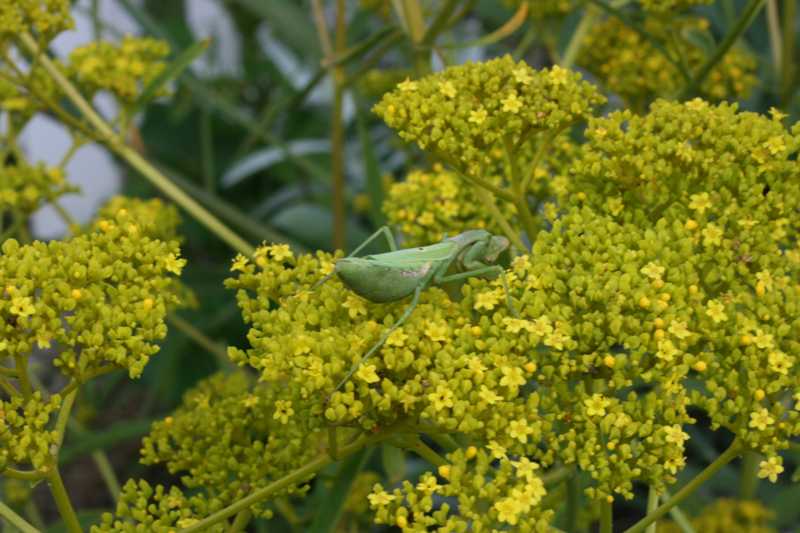 |
| Some praying mantises (Mantodea) have bloated abdomens |
|
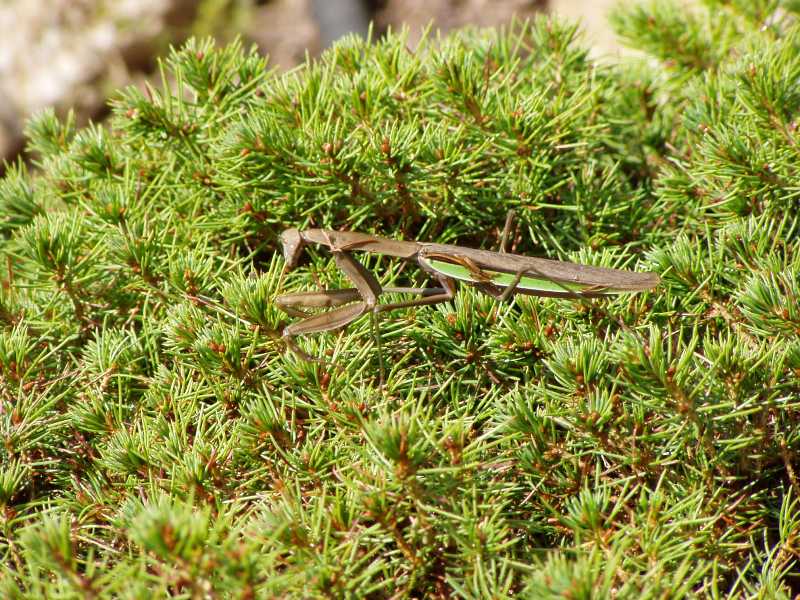 |
| Praying mantis adult (Mantodea) hunting bagworms (Lepidoptera) on a spruce (Picea) |
|
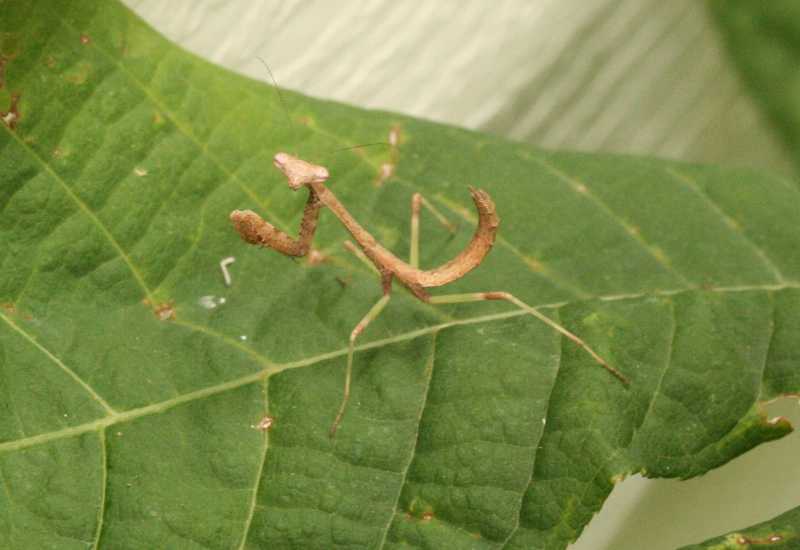 |
| Praying mantis nymph (Mantodea) |
|
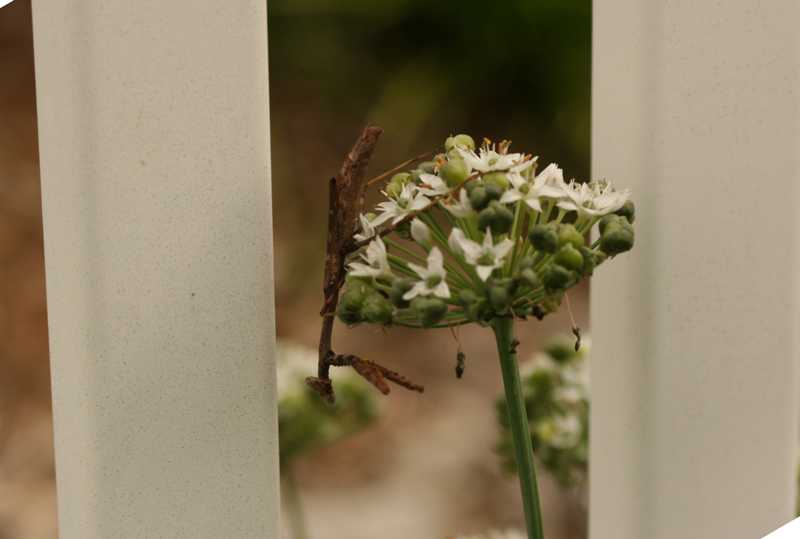 |
| Praying mantis nymph (Mantodea) |
|
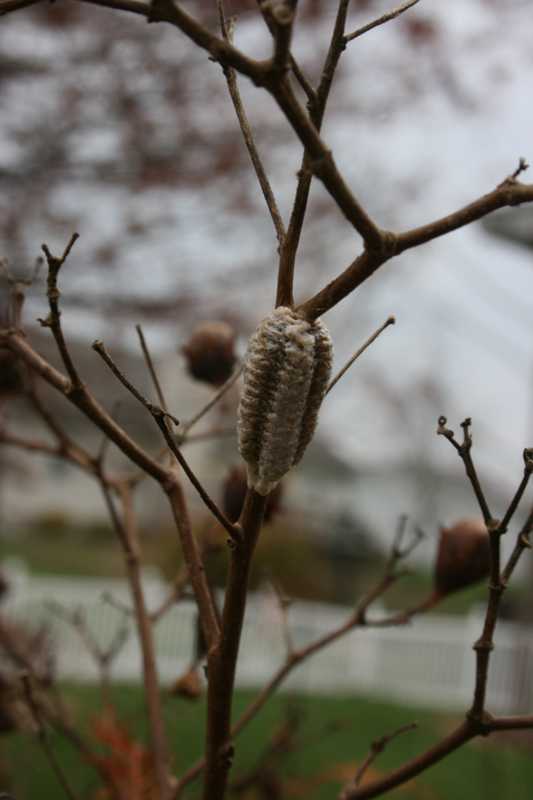 |
| Freshly laid praying mantis eggcase (Mantodea) |
|
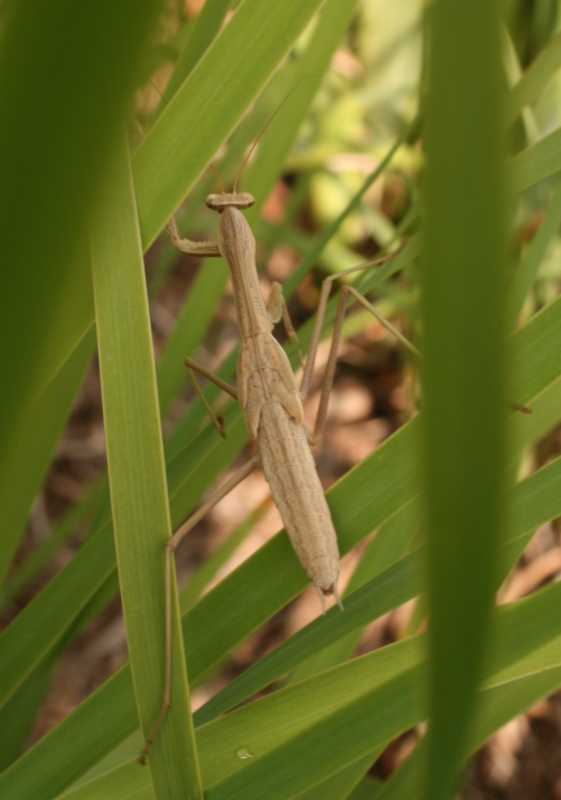 |
| Wingbuds on a praying mantis nymph (Mantodea) |
|
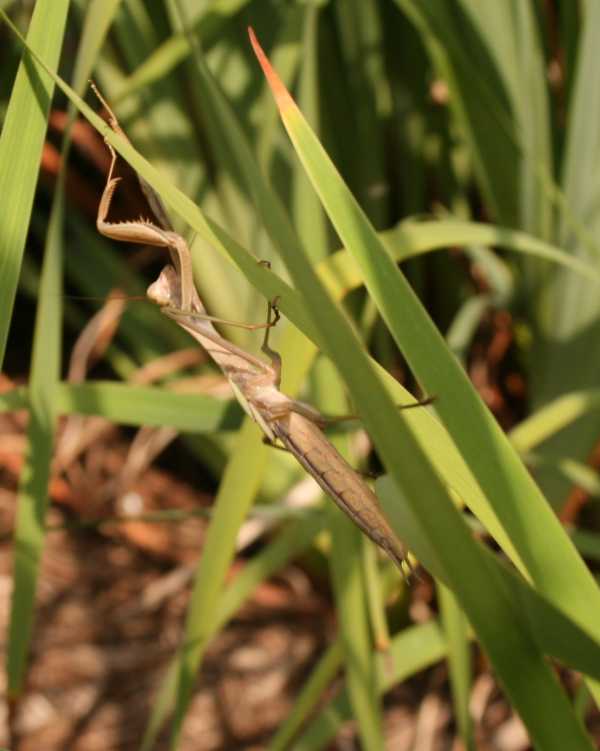 |
| Praying mantis (Mantodea) demonstrating the the prey holding spines on her foreleg |
|
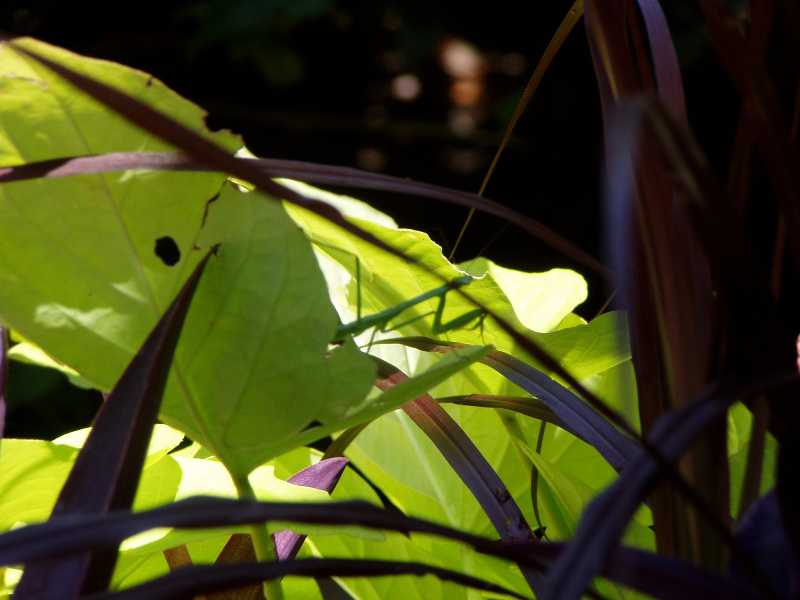 |
| Silhouettee of praying mantis (Mantodea) |
|
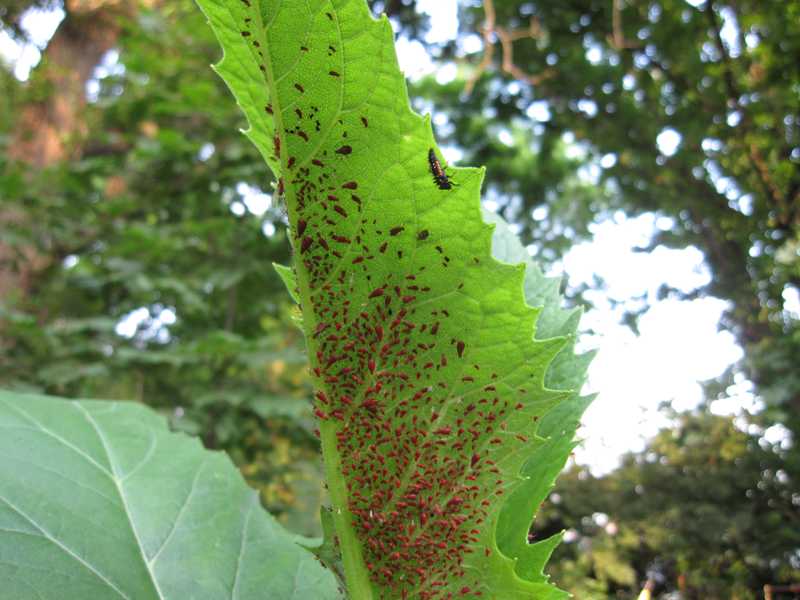 |
| Lady beetle larvae (Coleoptera) with plenty of prey in the form of aphids (Hemiptera) on the underside of a cup plant leaf (Silphium perfoliatum) |
|
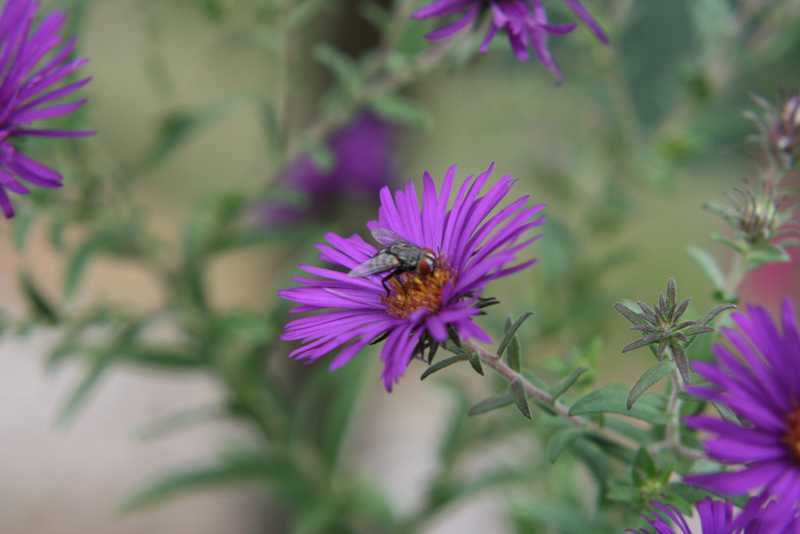 |
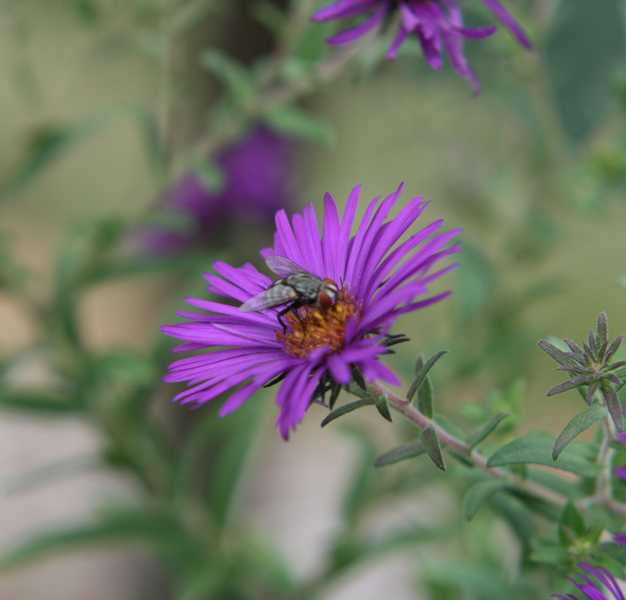
| Many adult flies (Diptera) are important pollinators; here is one on an aster |
|
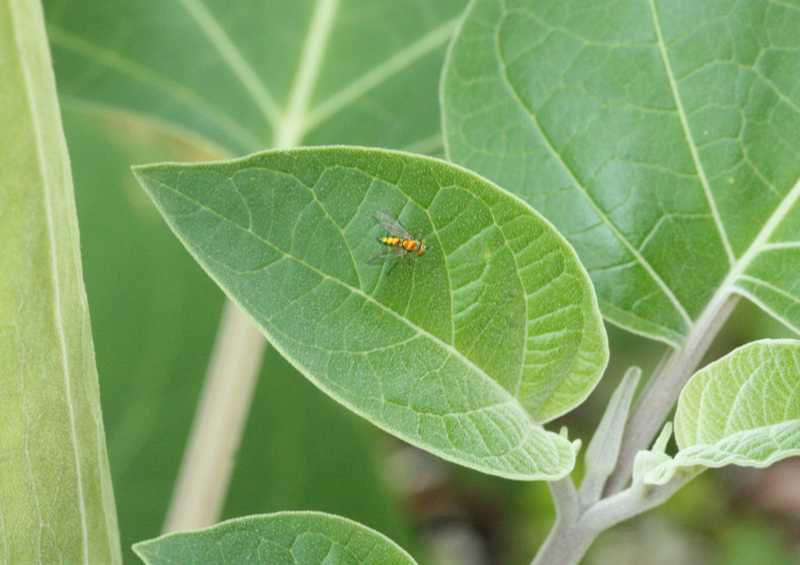 |
| Adult longlegged fly (Diptera) in the Dolichopodidae family, a beneficial predator |
|
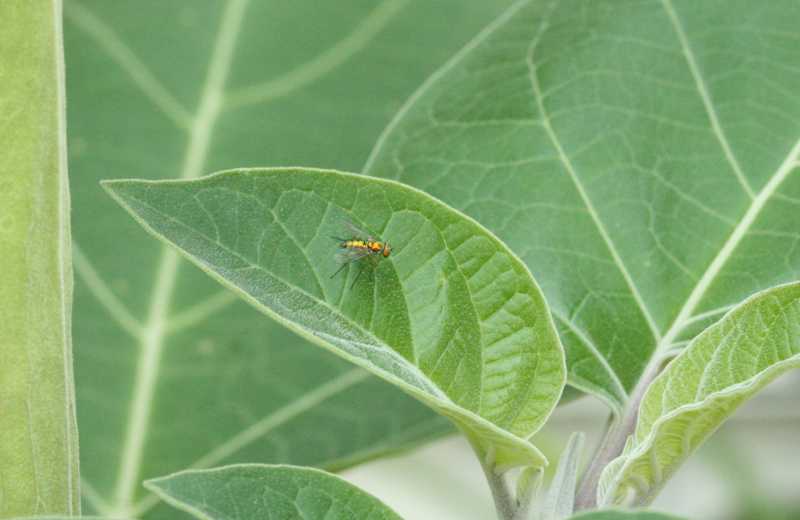 |
| Adult longlegged fly (Diptera) in the Dolichopodidae family, a beneficial predator |
|
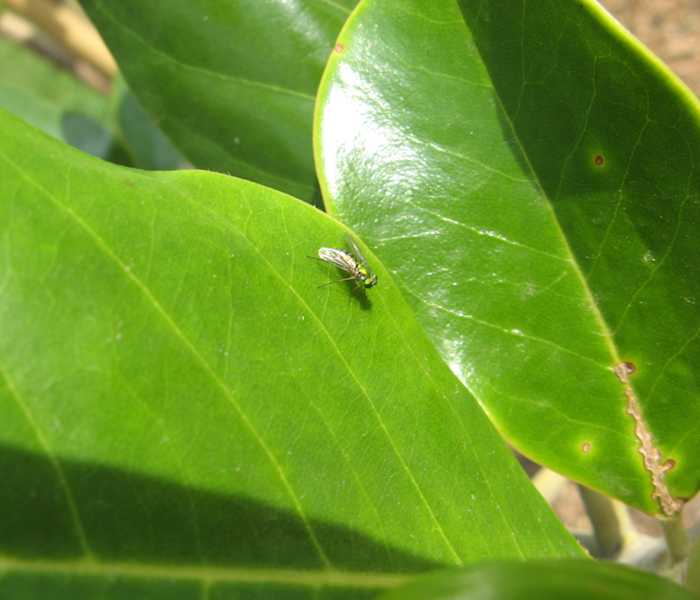 |
| Adult longlegged fly (Diptera) in the Dolichopodidae family, a beneficial predator |
|
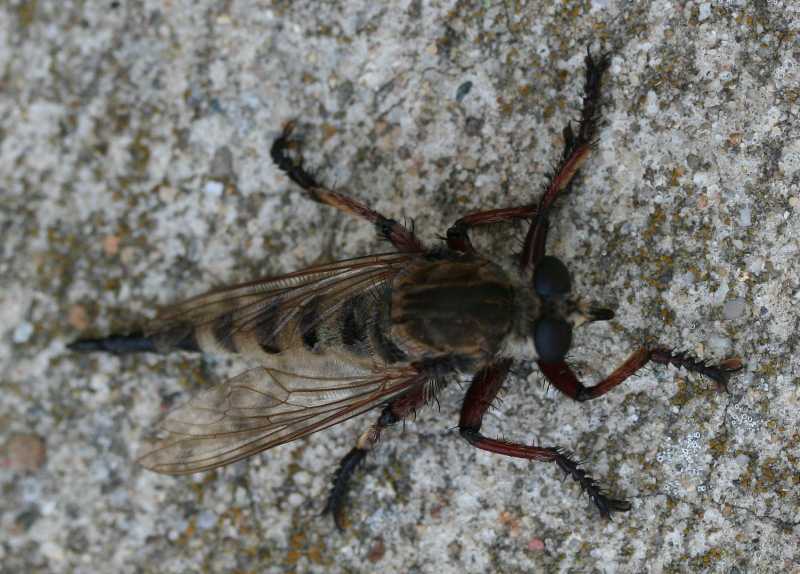 |
| Adult robber fly (Diptera) a predator that can hunt down and snatch its prey in midair |
|
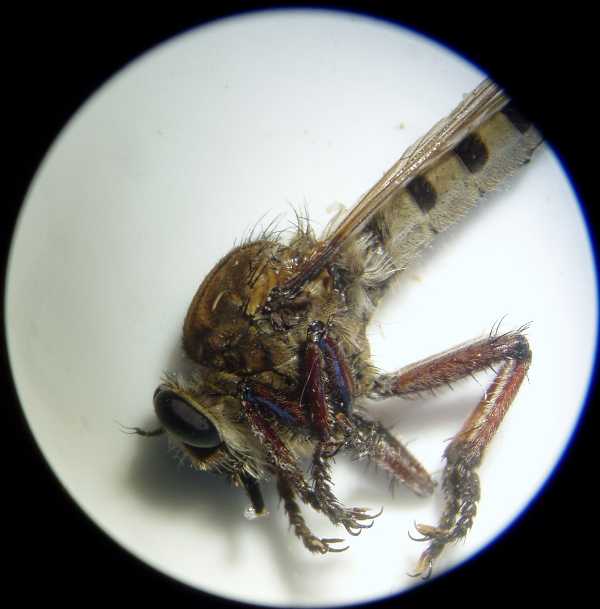 |
| Sideview of adult robber fly (Diptera) |
|
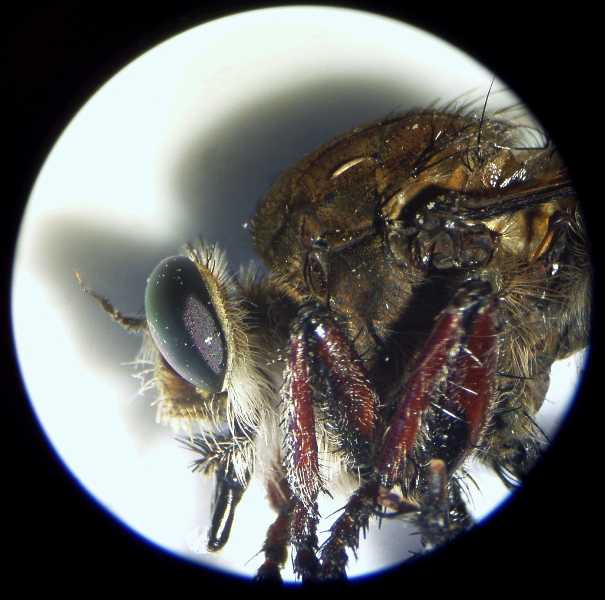 |
| Close-up of the head of an adult robber fly (Diptera) |
|
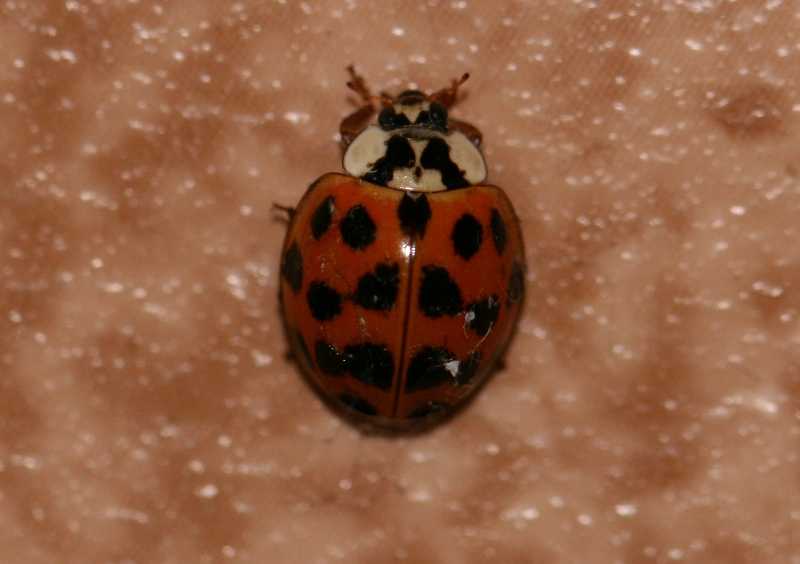 |
| Multicolored Asian lady beetles (Coleoptera) can be identified by the black M marking on their white pronotum |
|
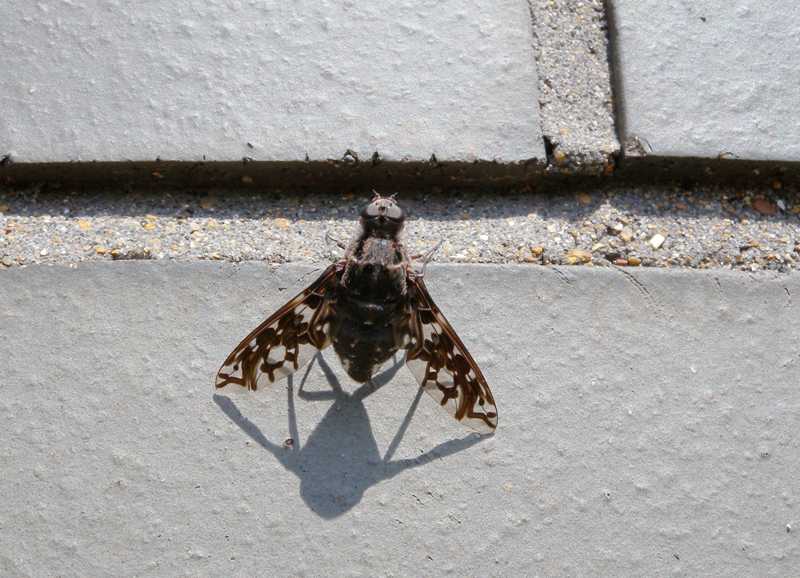 |
| Tiger bee fly adult (Diptera), possibly Xenox tigrinus |
|
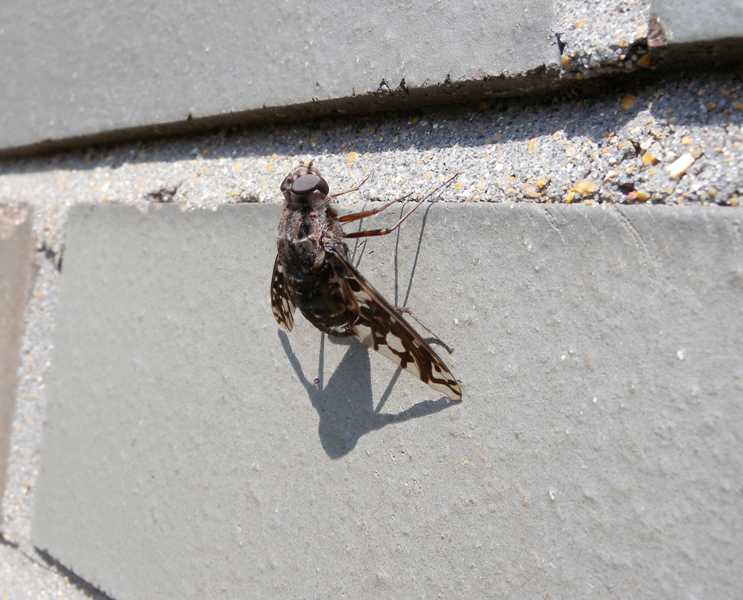 |
| Bee fly adult (Diptera), possibly Dipalta. Adults are important pollinators; larvae are predators |
|
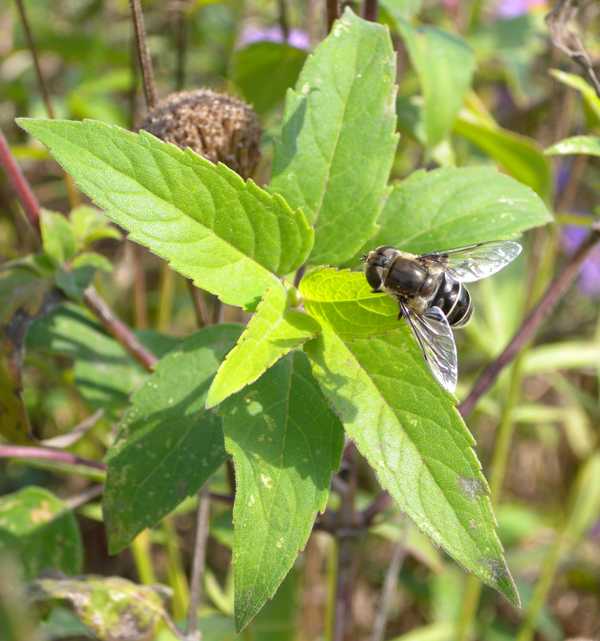 |
| Syrphid fly adult (Diptera), possibly Eristalinae |
|
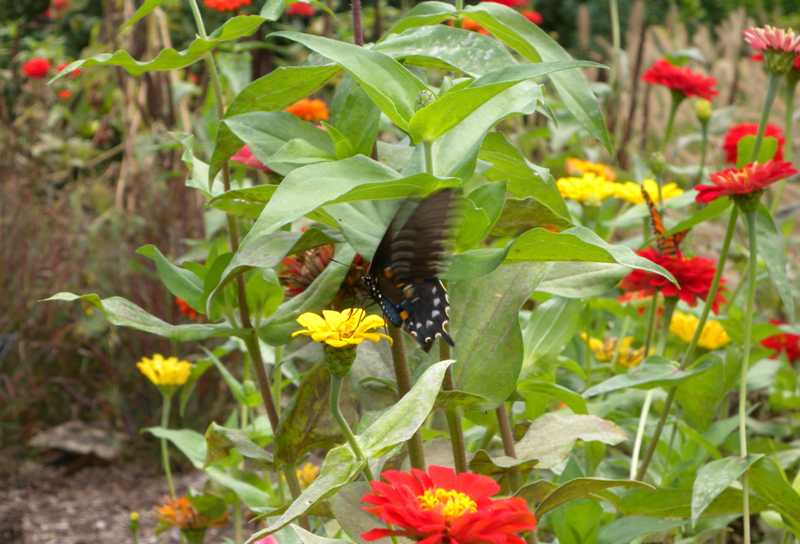 |
| An adult black swallowtail (Lepidoptera) |
|
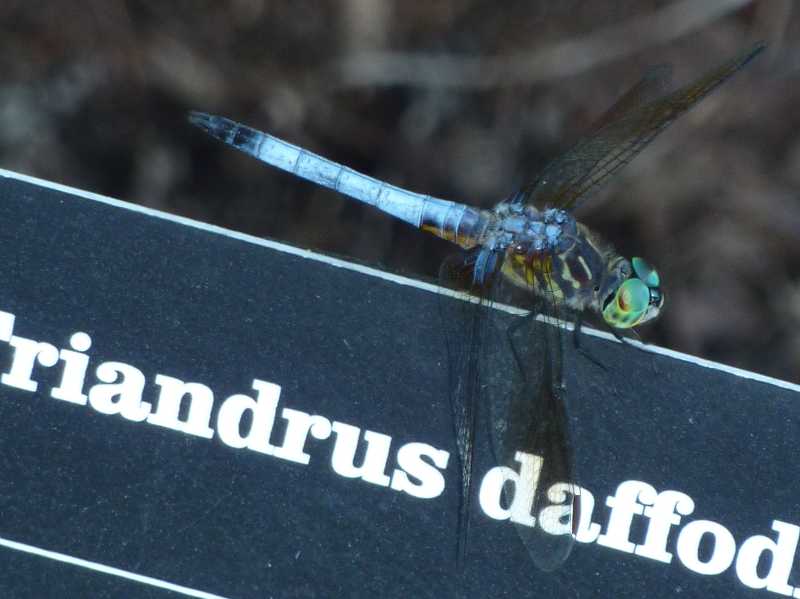 |
| Dragonfly (Odonata) |
|
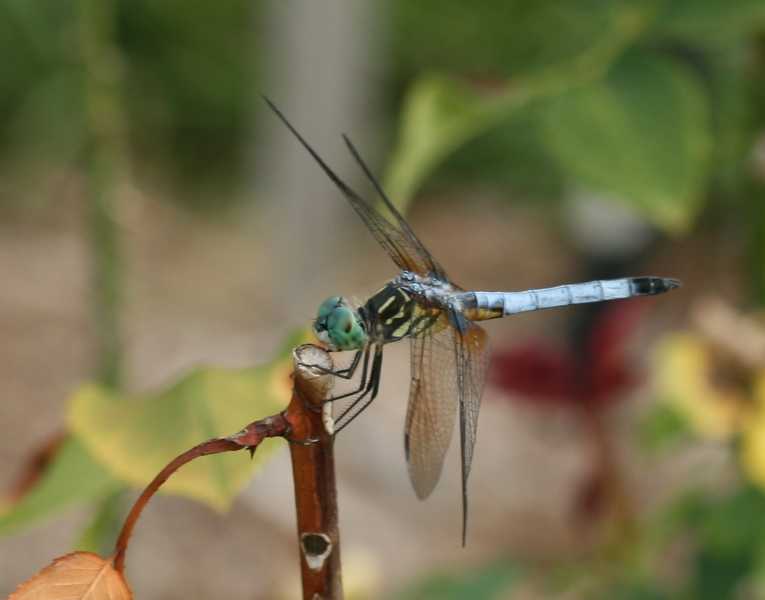 |
| Dragonfly (Odonata) |
|
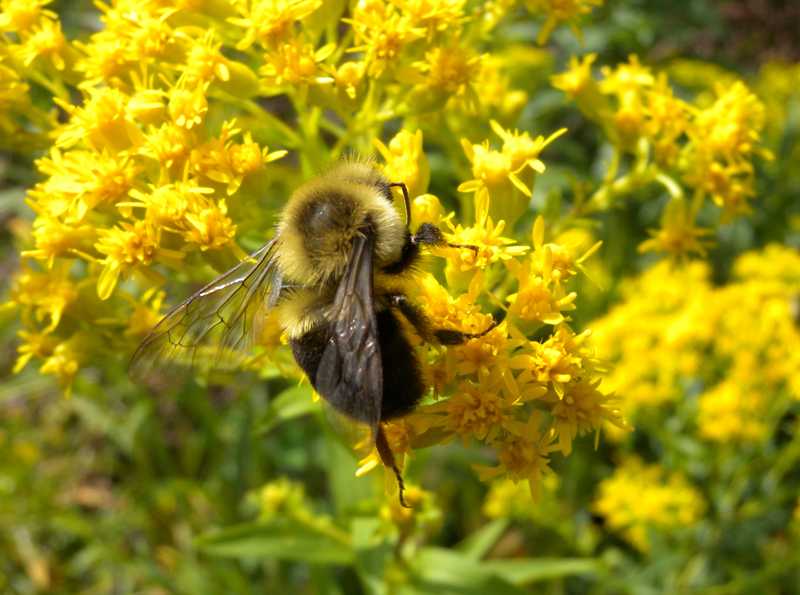 |
| Bumble bee (Hymenoptera) |
|
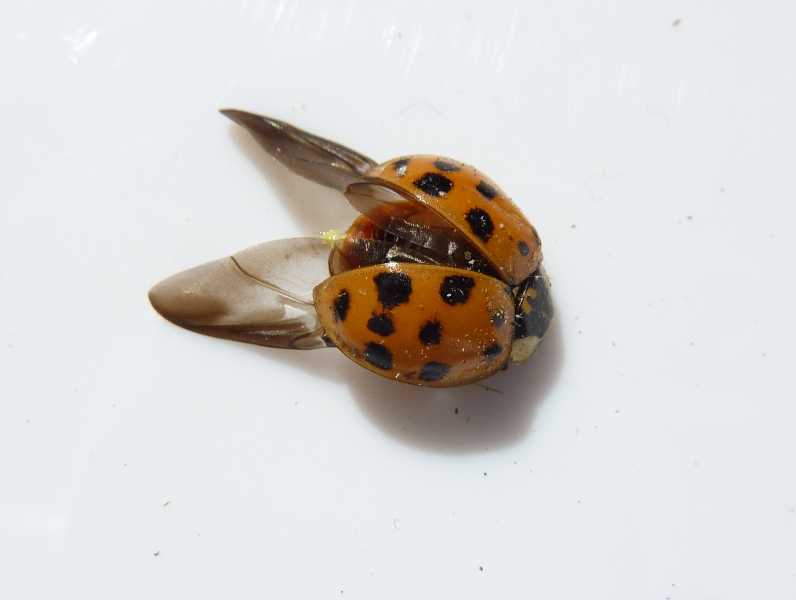 |
| Like all beetles, multicolored Asian lady beetles are in the order Coleoptera which means sheath wings, and here's why: The hindwings are folded and hidden (or sheathed like a sword) beneath the hard forewings. |
|
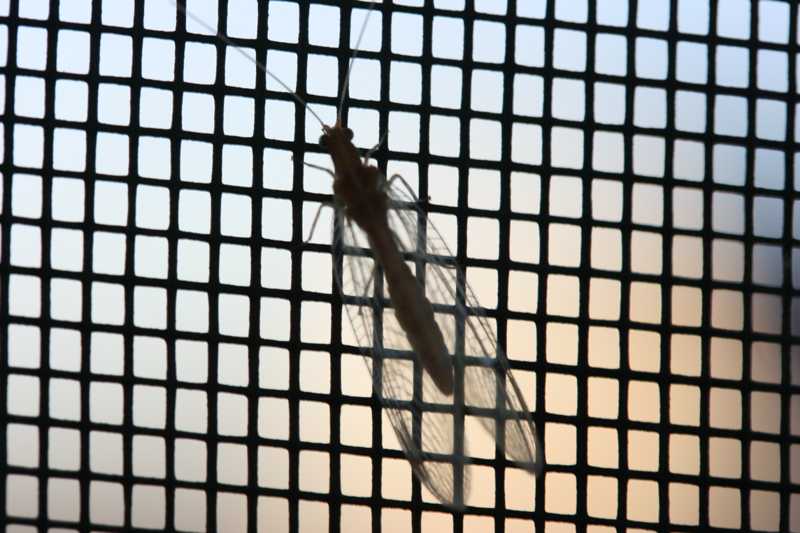 |
| Brown lacewing adult (Neuroptera) |
|
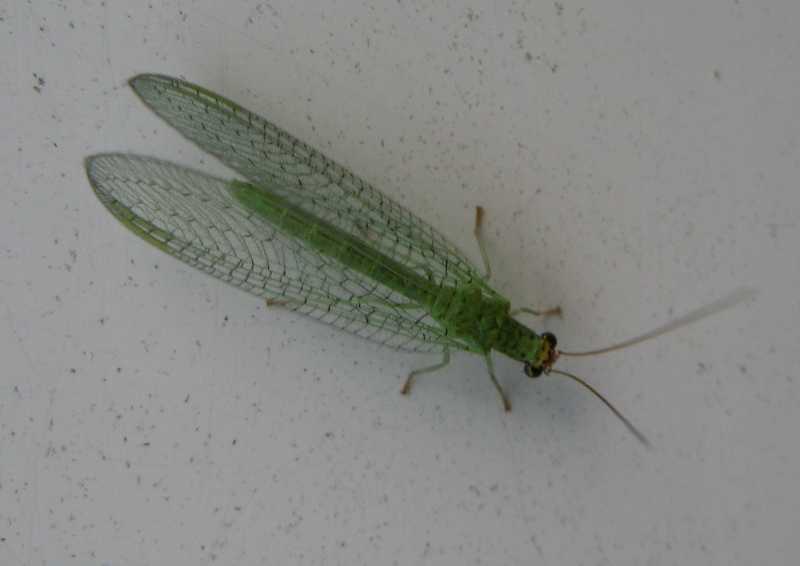 |
| Green lacewing adult (Neuroptera) |
|
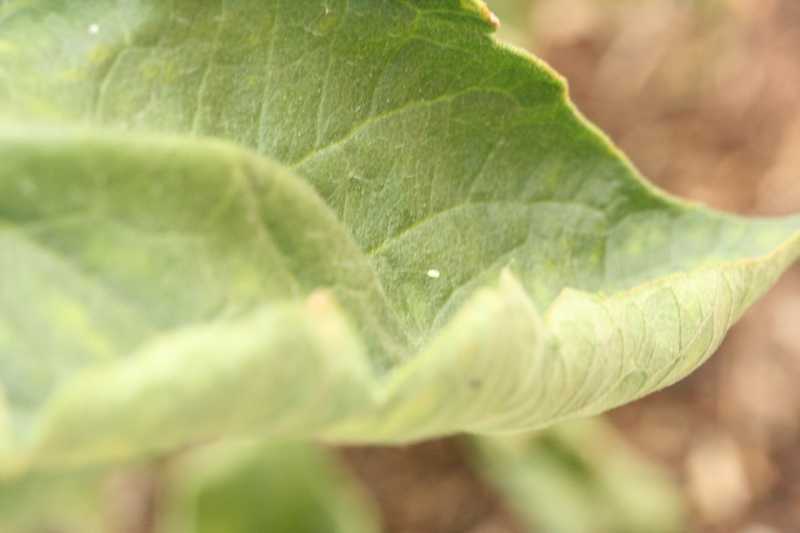 |
| Lacewing egg (Neuroptera) |
|
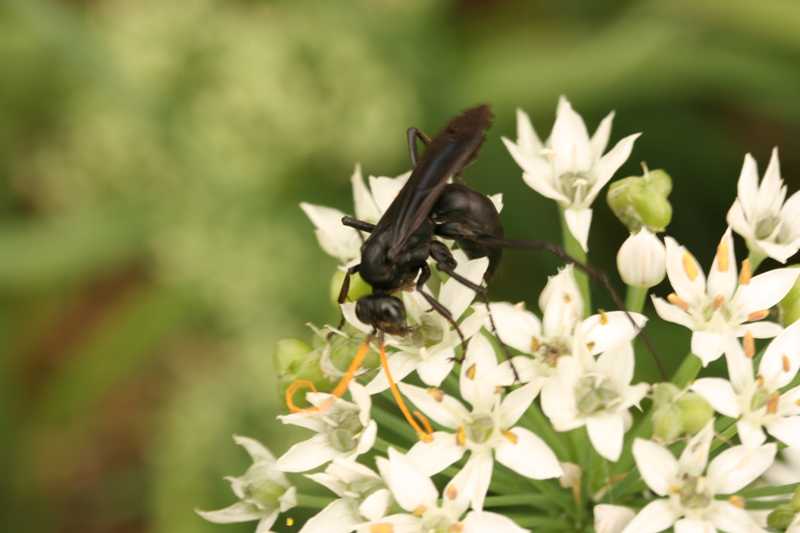 |
| Ichneumon Gnamptopelta or spider waspPepsis (Hymenoptera) |
|
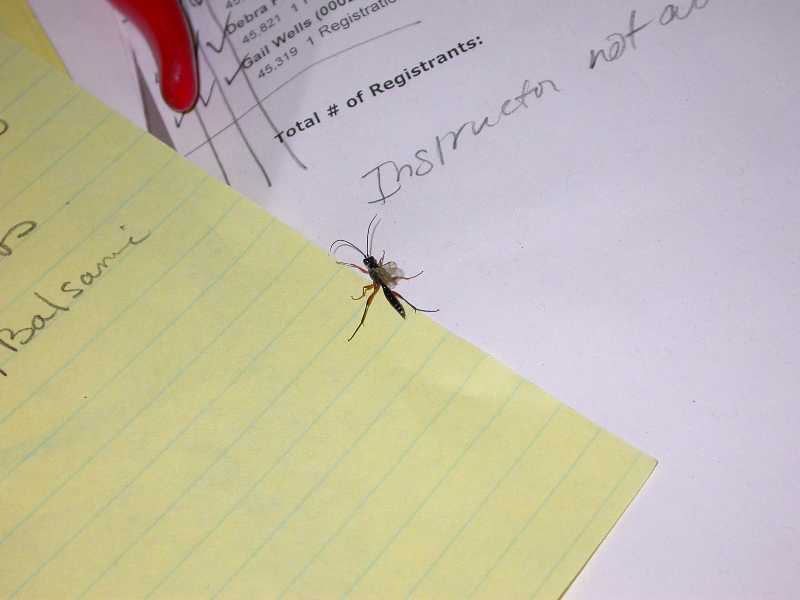 |
| Ichneumon wasp (Hymenoptera) |
|
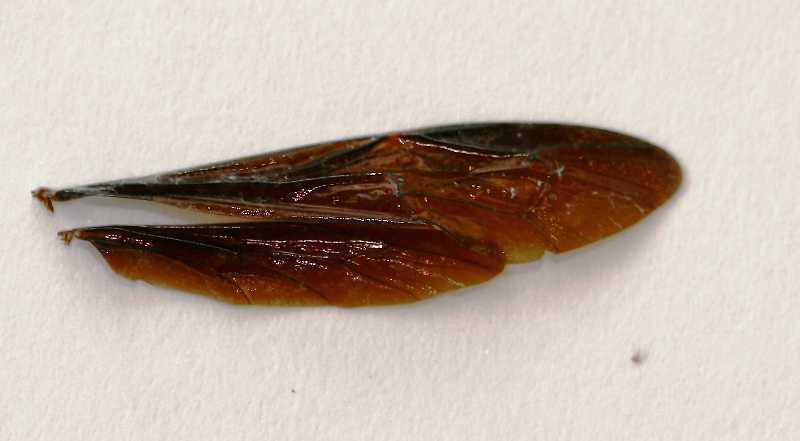 |
| Wings of an ichneumon wasp (Hymenoptera) |
|
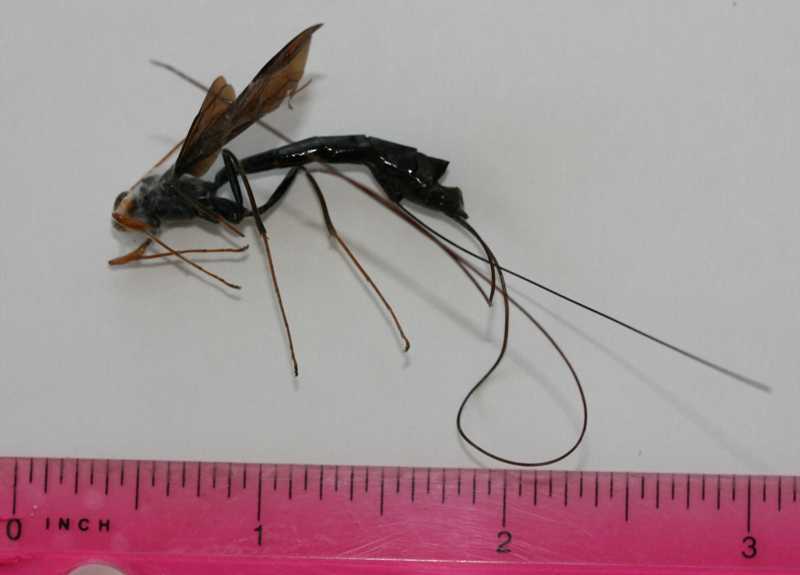 |
| Ichneumon wasp (Hymenoptera) with extremely long ovipositor |
|
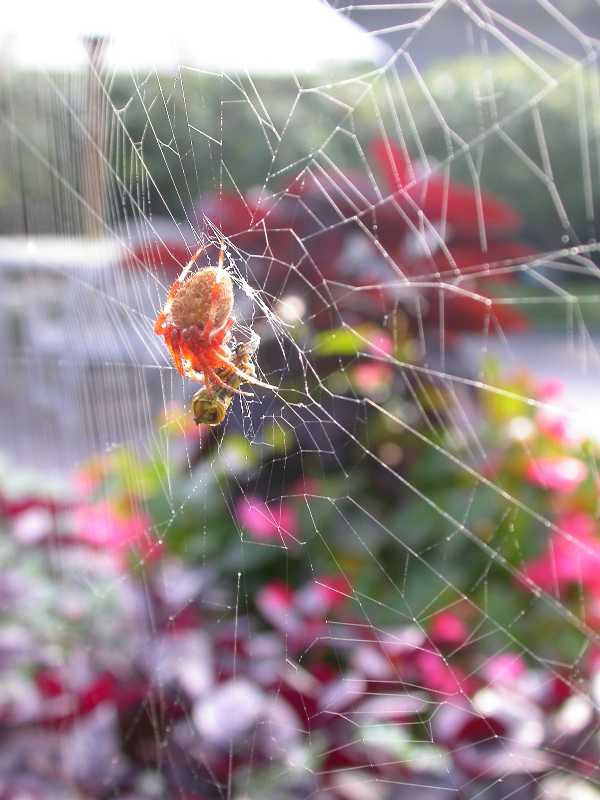 |
| Spider (Aranae) helping wilth pest control in the garden |
|
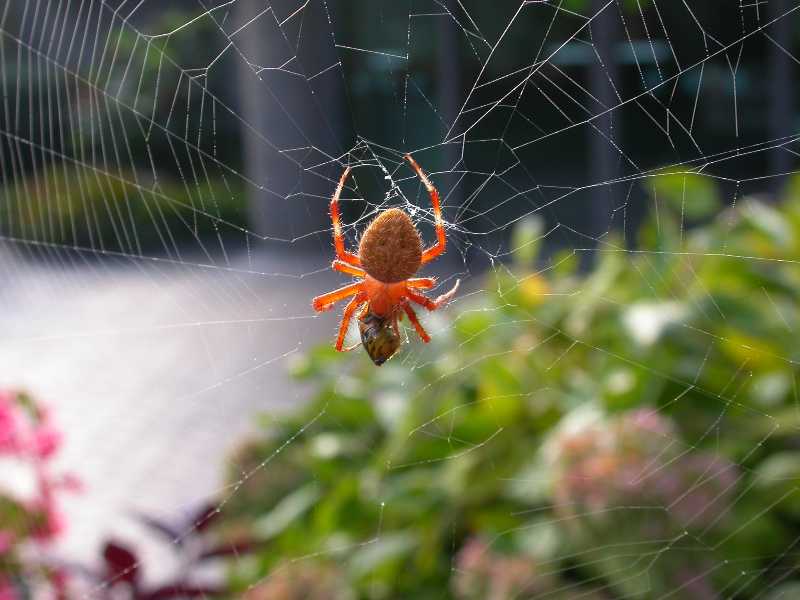 |
| Spider (Aranae) helping wilth pest control in the garden |
|
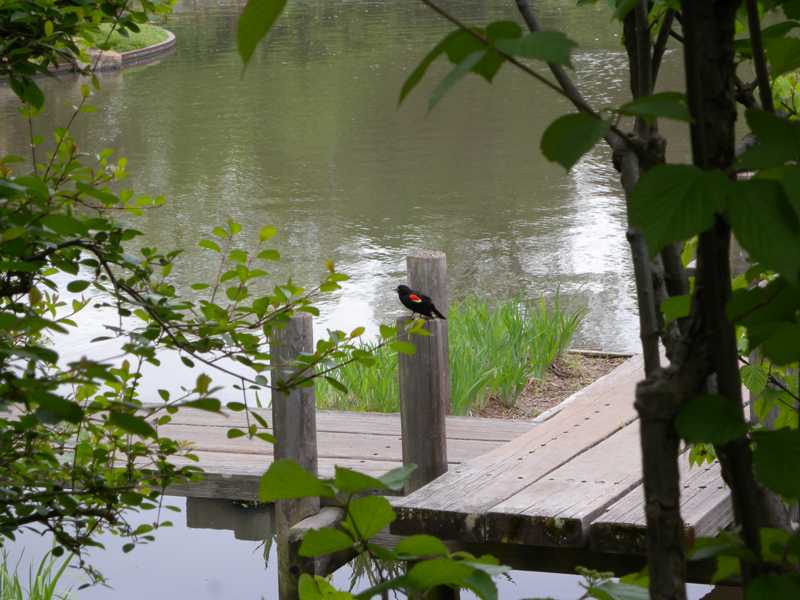 |
| Red-winged blackbirds are songbirds and beneficial predators of many insects; they also eat seeds |
|
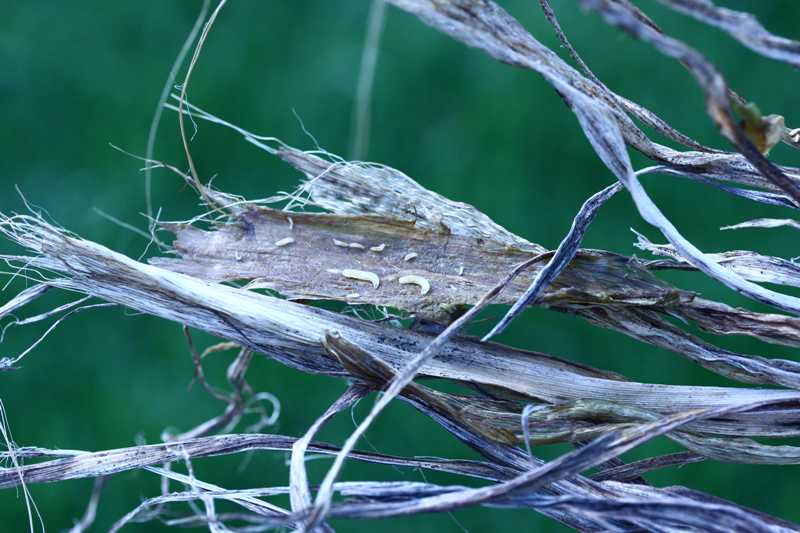 |
| Maggots or fly larvae (Diptera), here found inside decaying daylily foliage (Hemerocallis), are important in the decomposition of dead plants and animals. |
|
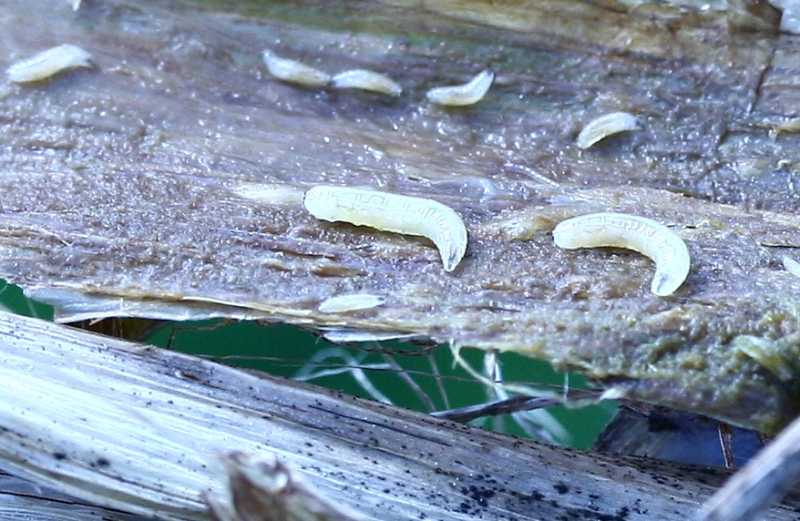 |
| Maggots or fly larvae (Diptera), here found inside decaying daylily foliage (Hemerocallis), are important in the decomposition of dead plants and animals. |
|
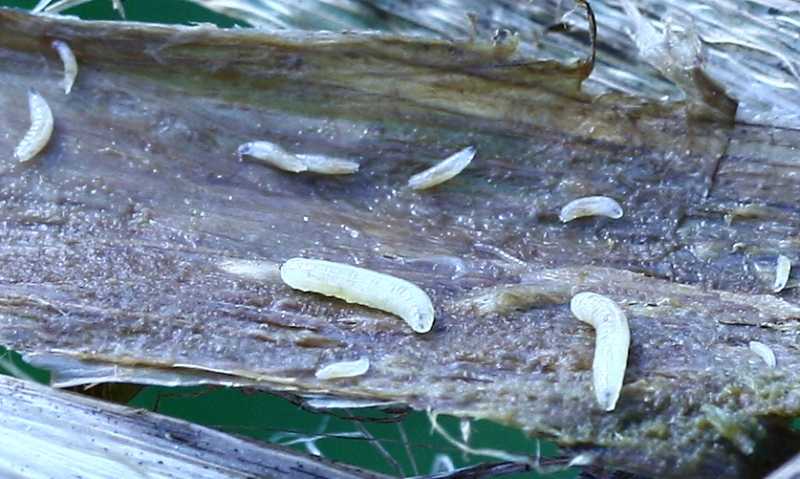 |
| Maggots or fly larvae (Diptera), here found inside decaying daylily foliage (Hemerocallis), are important in the decomposition of dead plants and animals. |
|
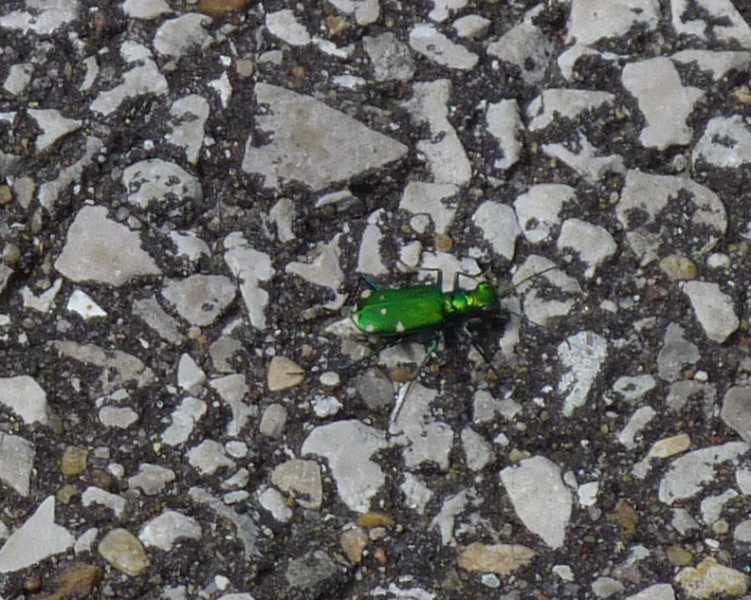 |
| Six-spotted tiger beetle (Coleoptera), Cicindela sexguttata. This metallic green beetle could be mistaken for an emerald ash borer, but this beetle is a beneficial predator. |
|
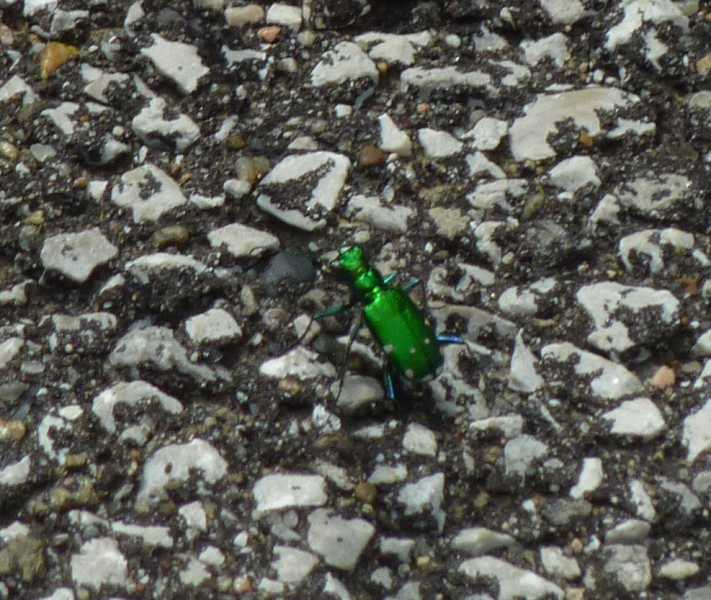 |
| Six-spotted tiger beetle (Coleoptera), Cicindela sexguttata. This metallic green beetle could be mistaken for an emerald ash borer, but this beetle is a beneficial predator. |
|
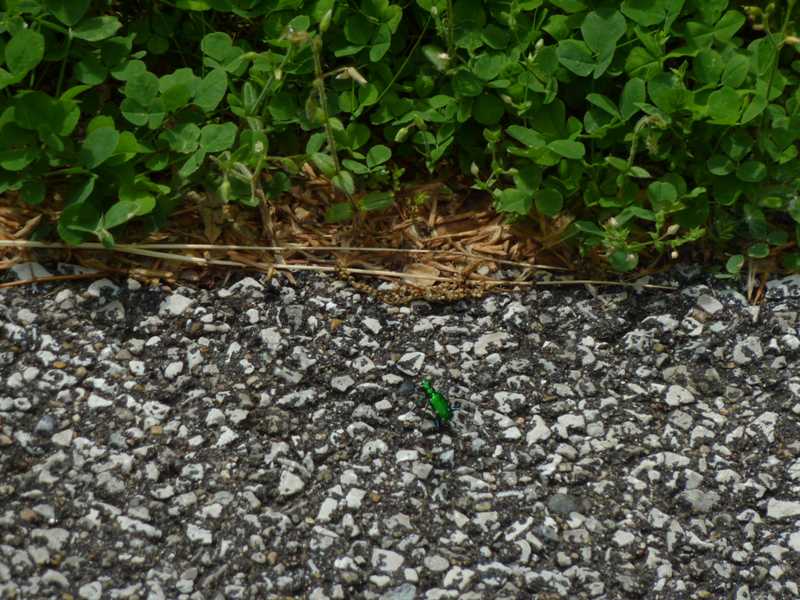 |
| Six-spotted tiger beetle (Coleoptera), Cicindela sexguttata. This metallic green beetle could be mistaken for an emerald ash borer, but this beetle is a beneficial predator. |
|
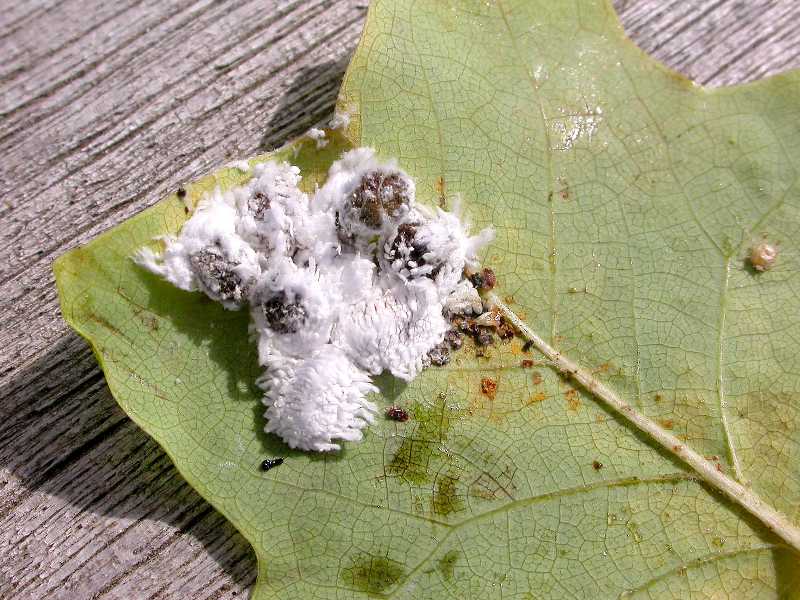 |
| Predatory beetle (Coleoptera) on tulip tree (Liriodendron) leaf |
|
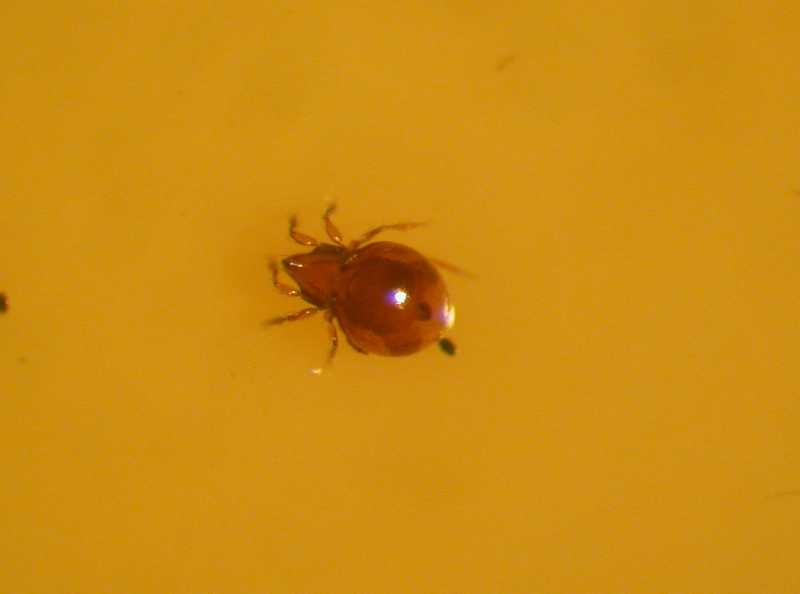 |
| Possible predatory mite (Acari) captured on a greenhouse yellow sticky trap |
|
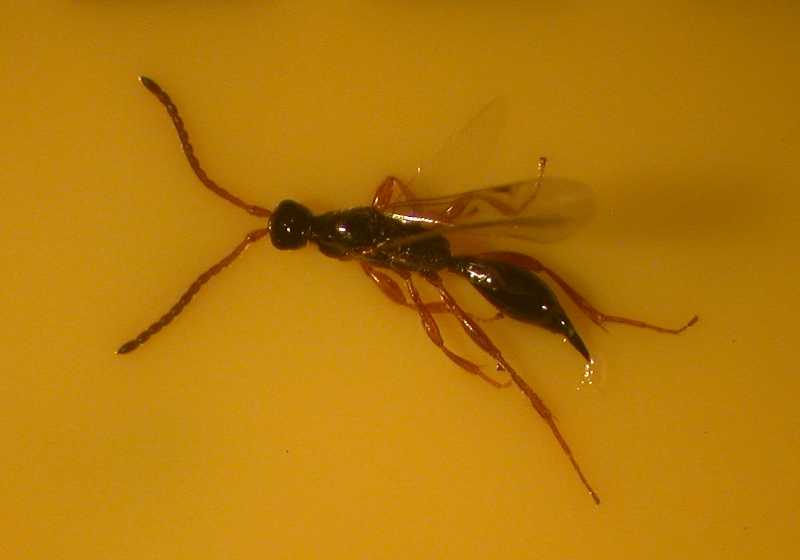 |
| Tiny parasitic wasp (Hymenoptera) captured on a greenhouse yellow sticky trap |
|
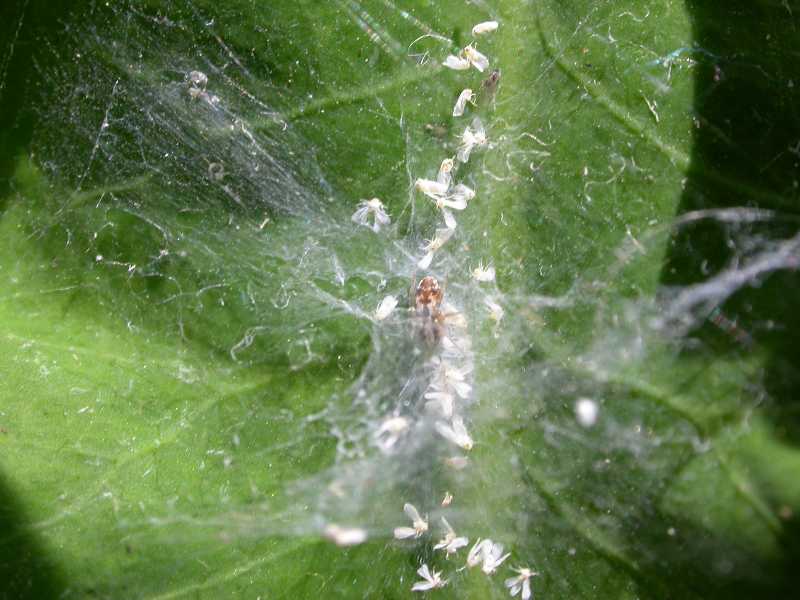 |
| Even indoors, spiders (Araneae) can be beneficial; this one has caught difficult-to-control whiteflies (Hemiptera) on crown of thorns (Euphorbia milii) |
|
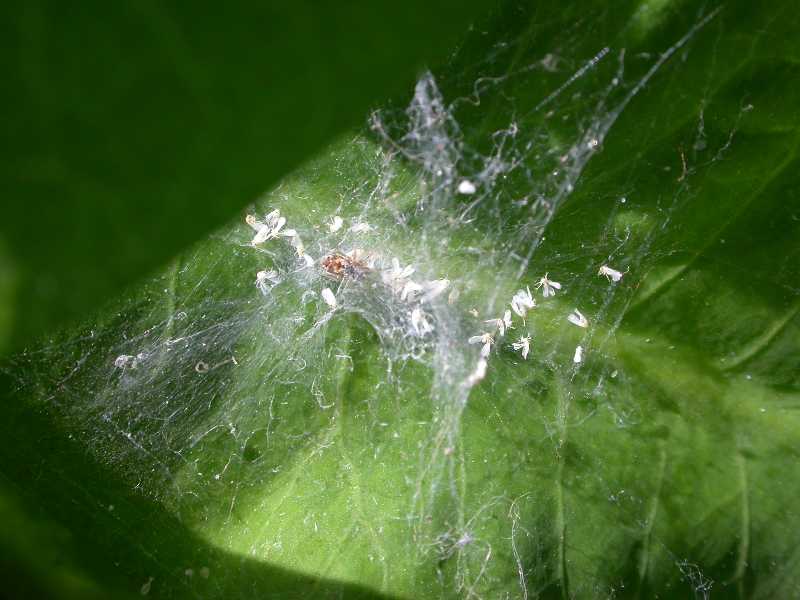 |
| Even indoors, spiders (Araneae) can be beneficial; this one has caught difficult-to-control whiteflies (Hemiptera) on crown of thorns (Euphorbia milii) |
|
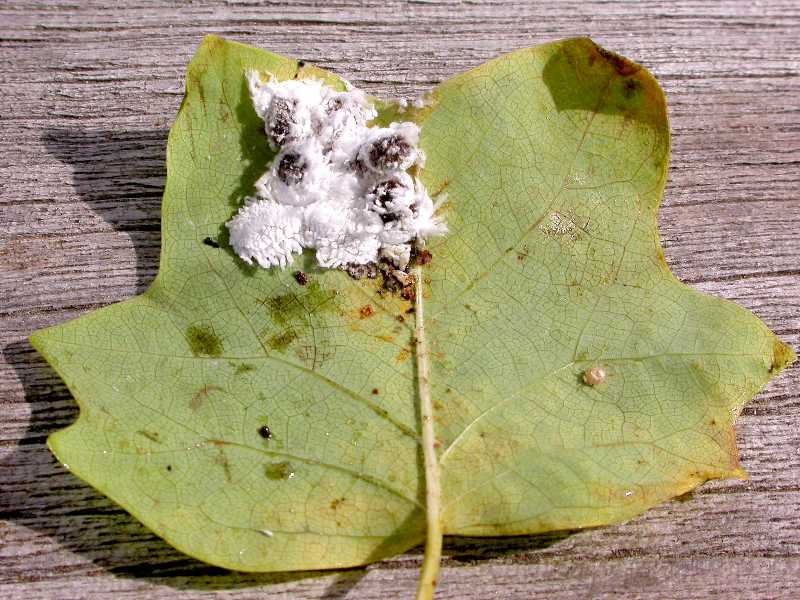 |
| Predatory beetle (Coleoptera) on tulip tree (Liriodendron) leaf |
|
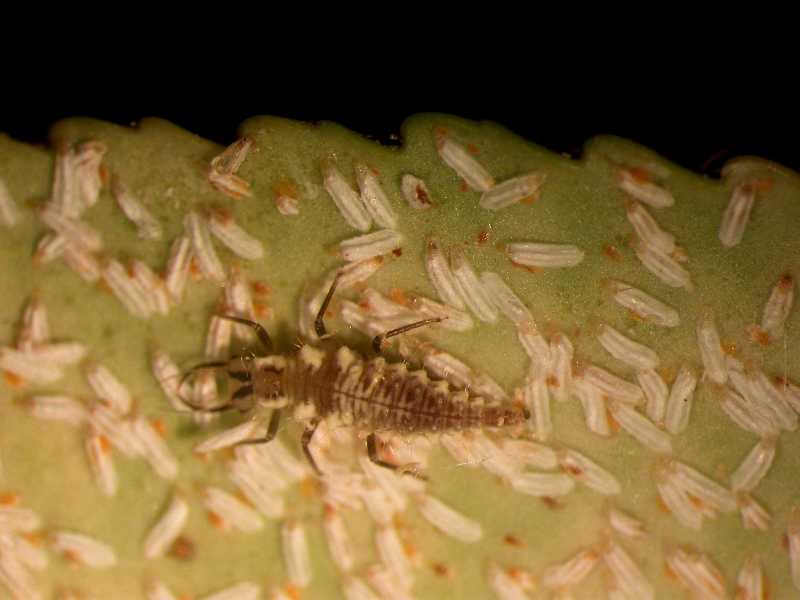 |
| Close-up of green lacewing larva (Neuroptera) eating euonymus scale (Hemiptera) on euonymus (Euonymus) |
|
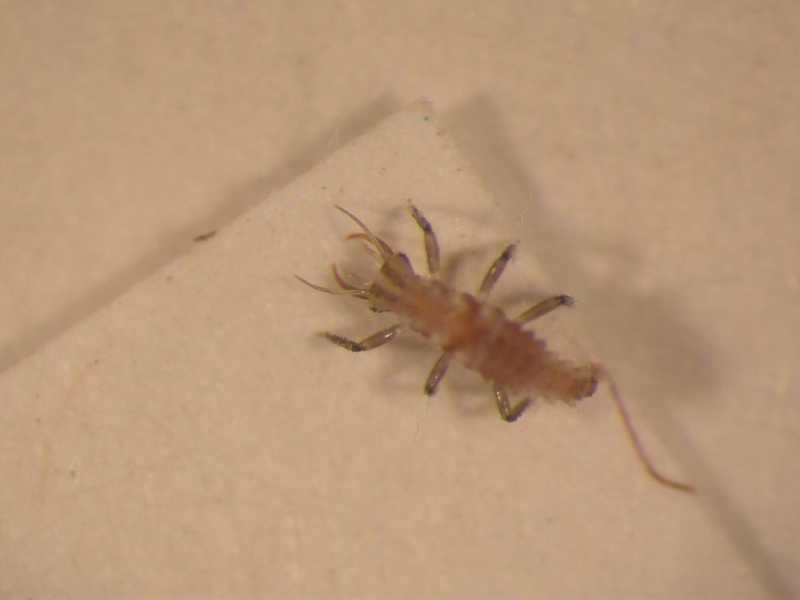 |
| Green lacewing larva (Neuroptera) |
|
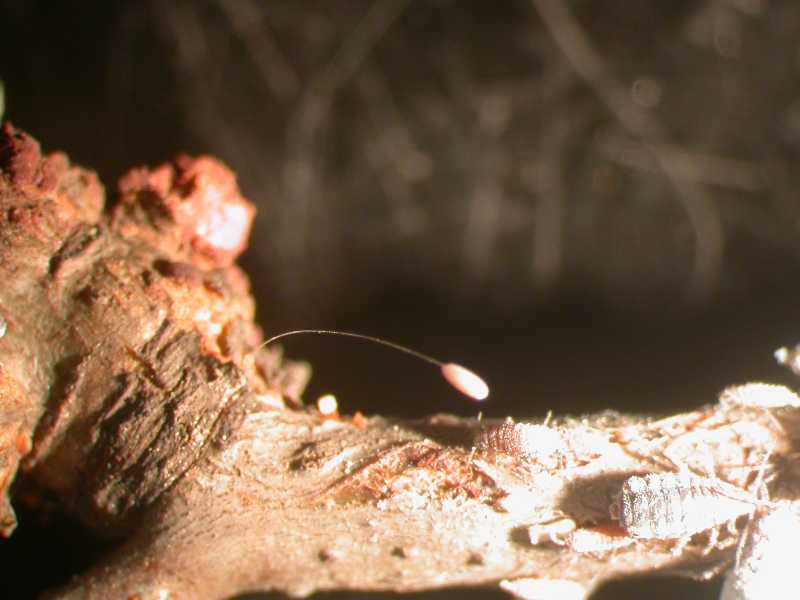 |
| Green lacewing egg (Neuroptera) on stalk over woolly apple aphids (Hemiptera) on hawthorn (Crataegus) |
|
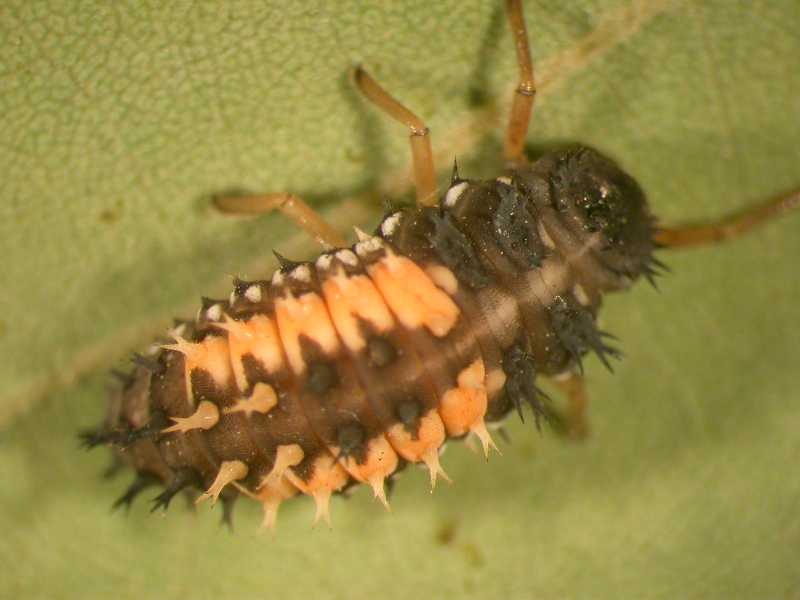 |
| Close-up of a lady beetle larva (Coleoptera) on birch (Betula) |
|
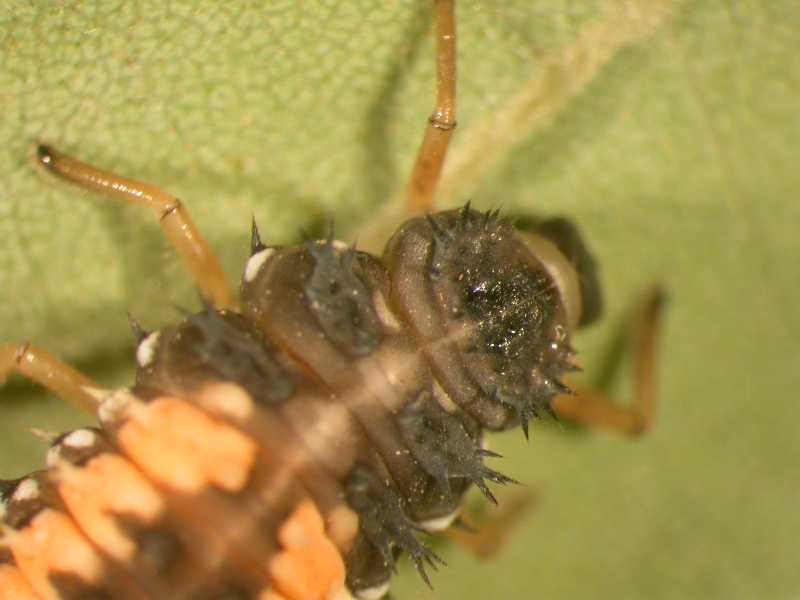 |
| Close-up of the head of lady beetle larva (Coleoptera)on birch (Betula) |
|
 |
| Close-up of the head and thorax of a praying mantis (Mantodea) |
|
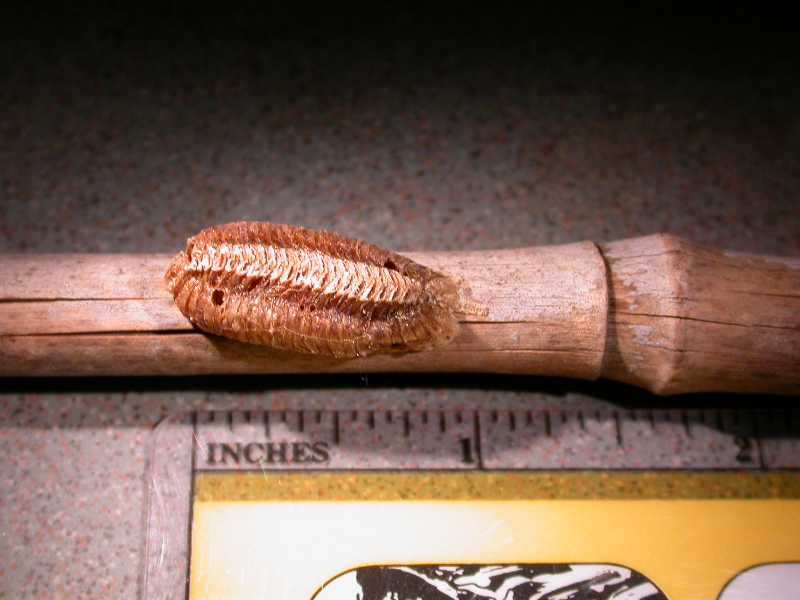 |
| Egg case, with ruler for scale, of a Carolina mantis (Mantodea) |
|
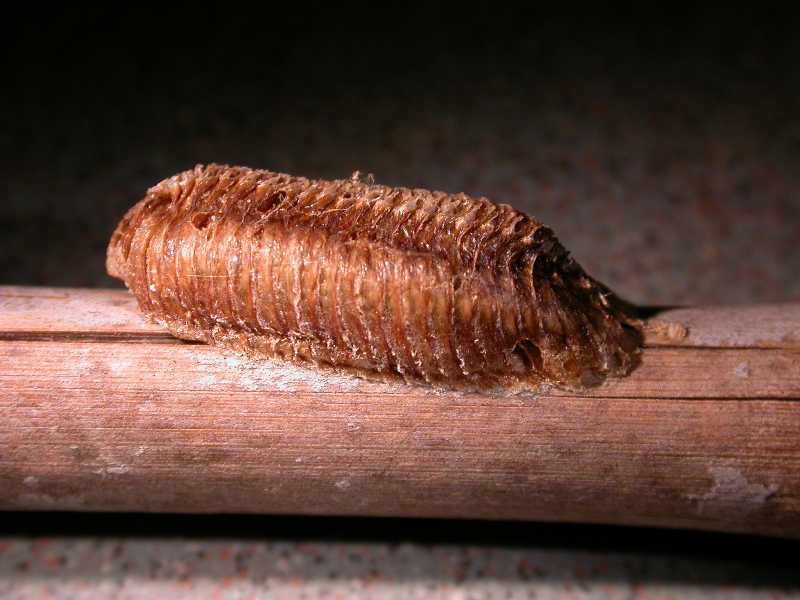 |
| Side view of the egg case of a Carolina mantis (Mantodea) |
|
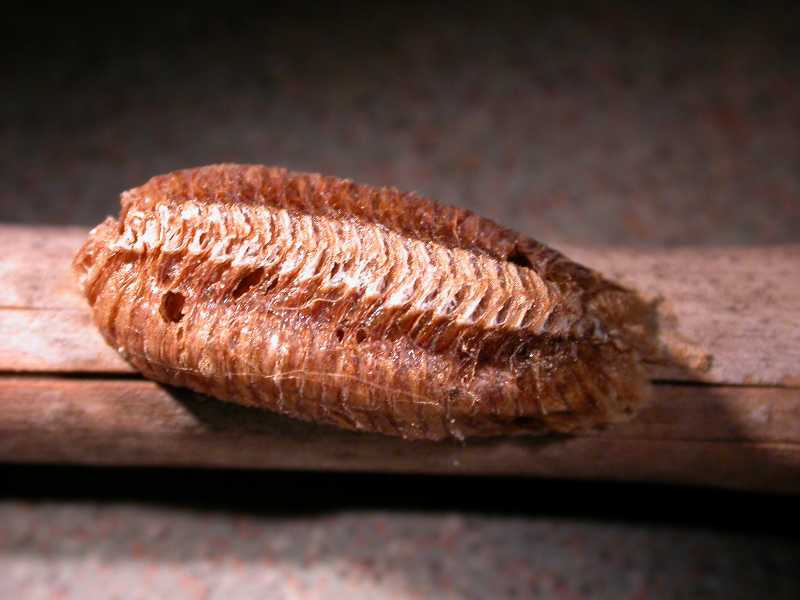 |
| Top view of egg case of a Carolina mantis (Mantodea) |
|
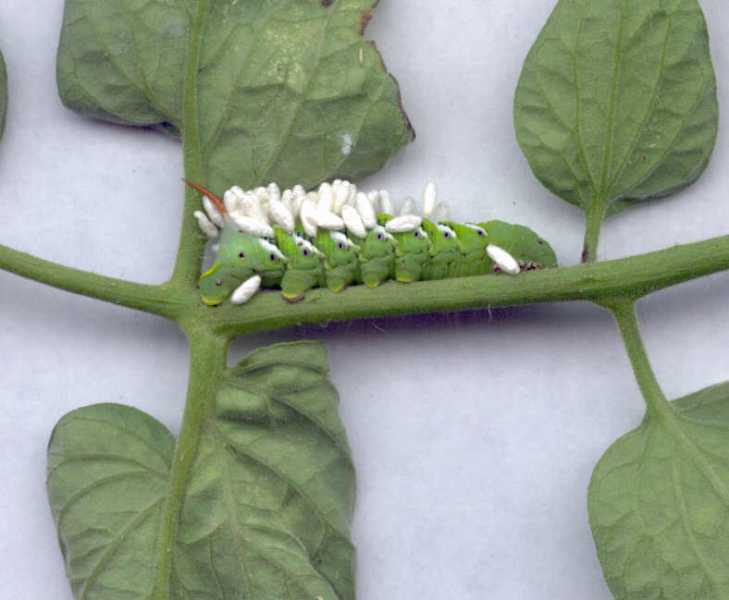 |
| Braconid wasps (Hymenoptera) are an important natural control of hornworms on tomato (Lycopersicon); note white eggs along back of caterpillar (Lepidoptera) |
|
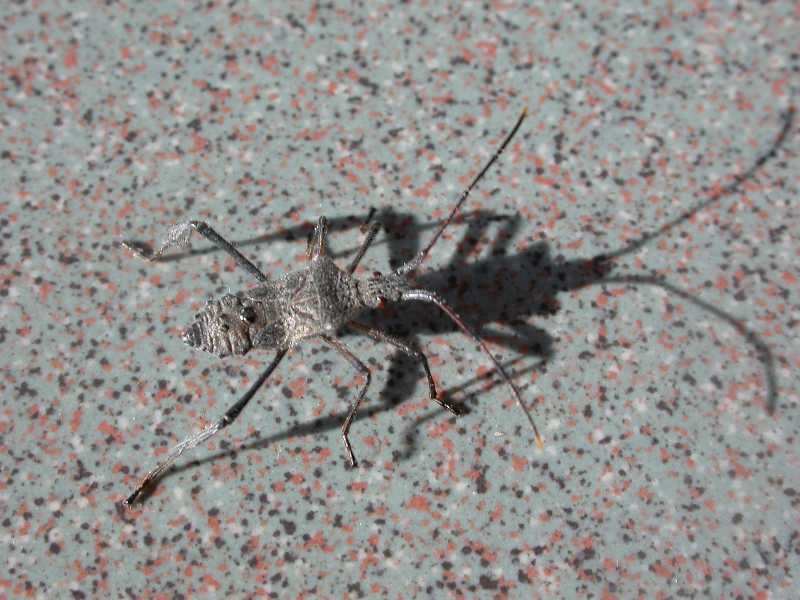 |
| Nymph assassin bug (Hemiptera ) |
|
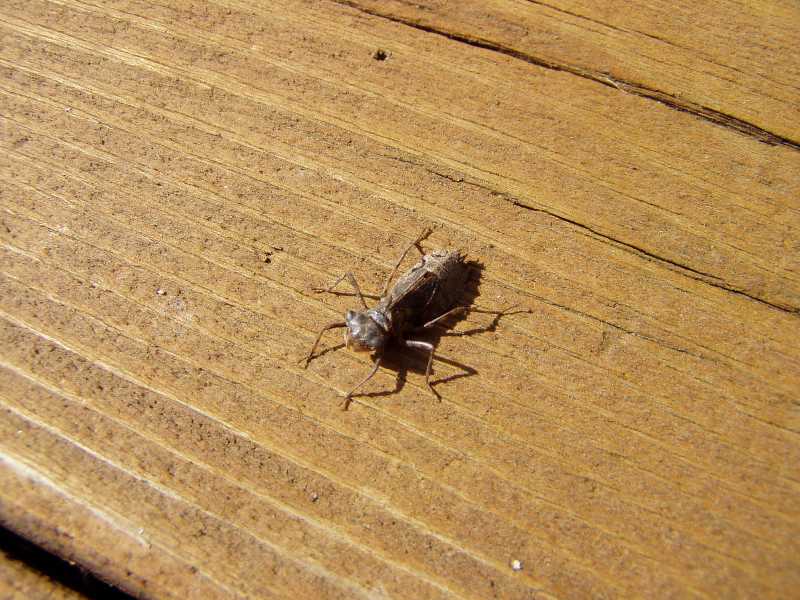 |
| Nymphal stage of a dragonfly (Odonata) |
|
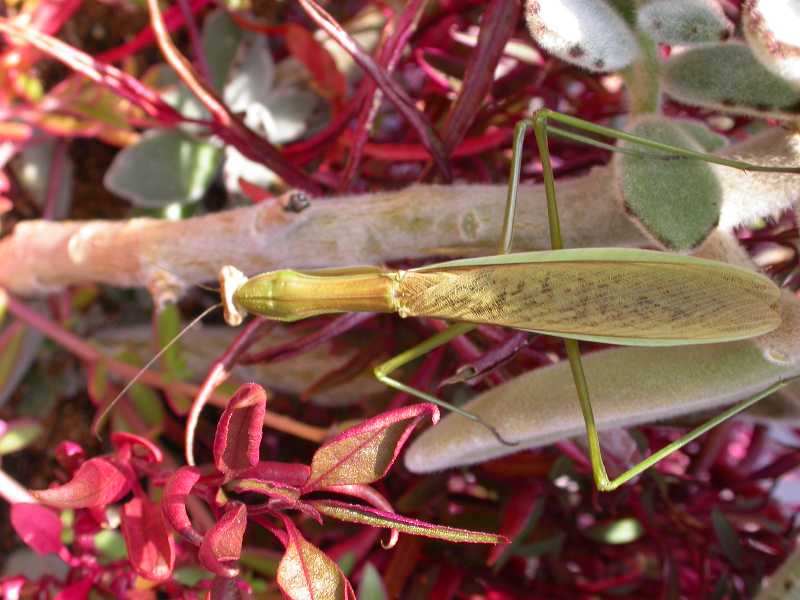 |
| Rosie, a praying mantis (Mantodea), spent the entire summer in a hanging basket of kalanchoe (Kalanchoe and moss rose (Portulaca grandiflora); long enough to be named |
|
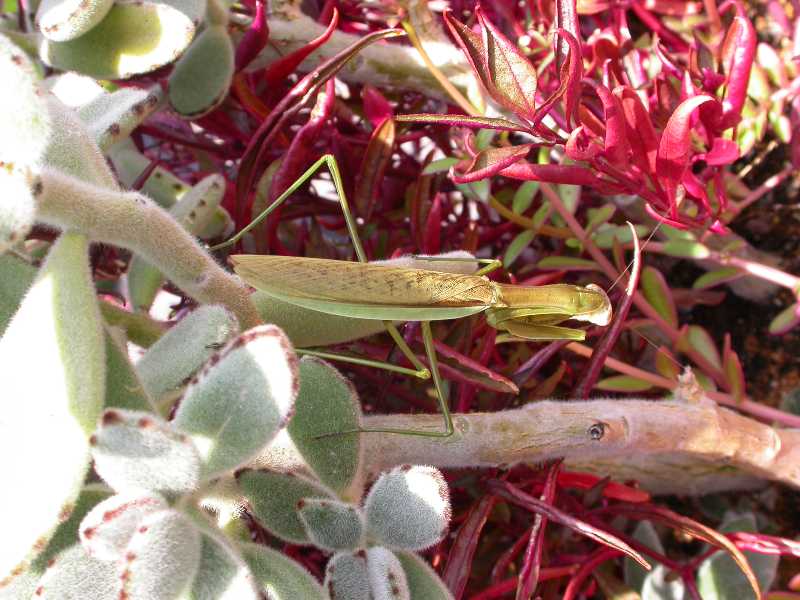 |
| Rosie, a praying mantis (Mantodea), spent the entire summer in a hanging basket of kalanchoe (Kalanchoe and moss rose (Portulaca grandiflora); long enough to be named |
|
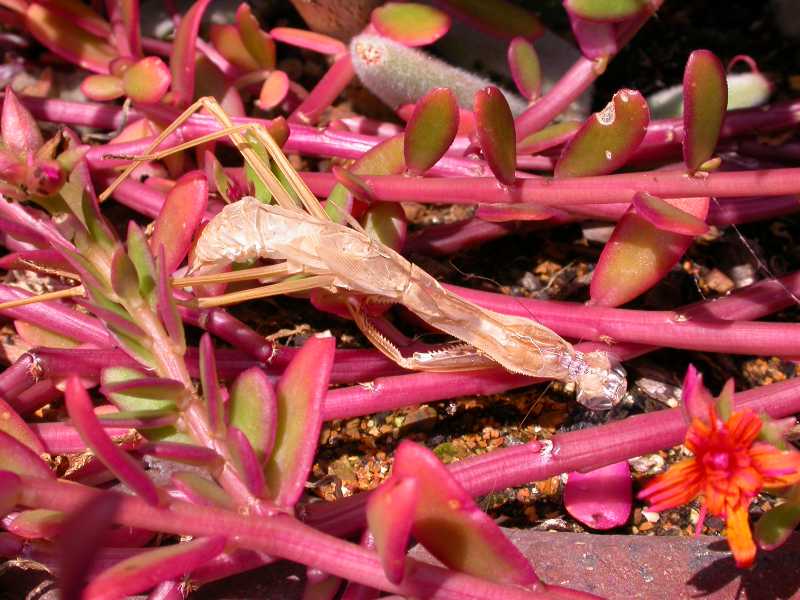 |
| The cast skin of Rosie, the praying mantis (Mantodea) |
|
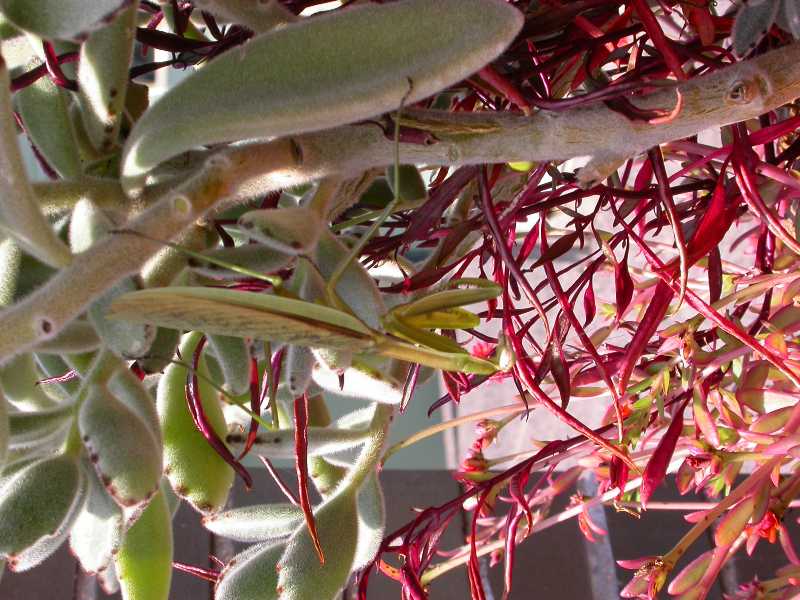 |
| Rosie, the praying mantis (Mantodea), praying for another victim |
|
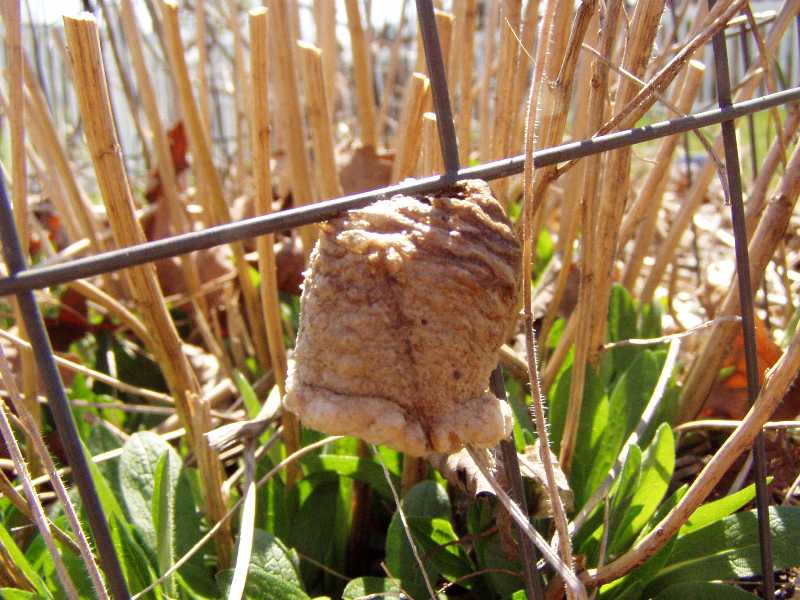 |
| Egg mass of a Chinese mantis (Mantodea) |
|
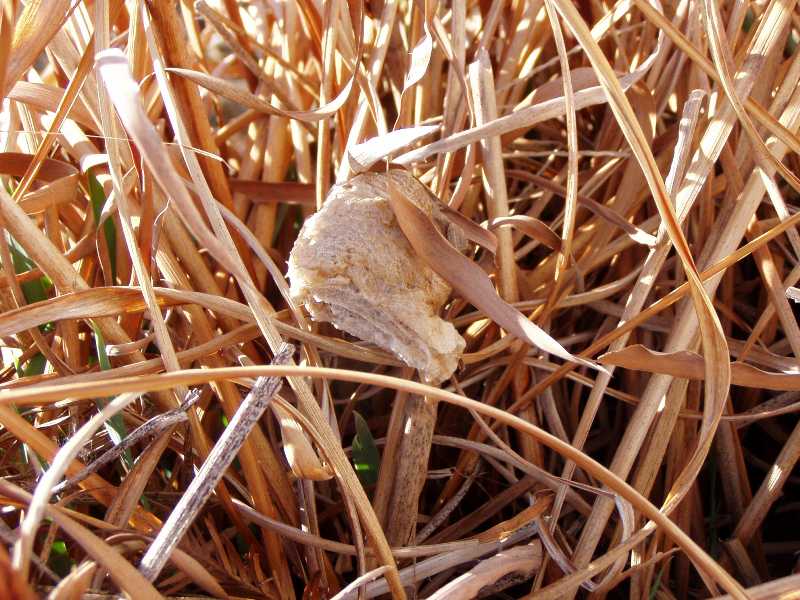 |
| Egg mass of a Chinese mantis (Mantodea) |
|
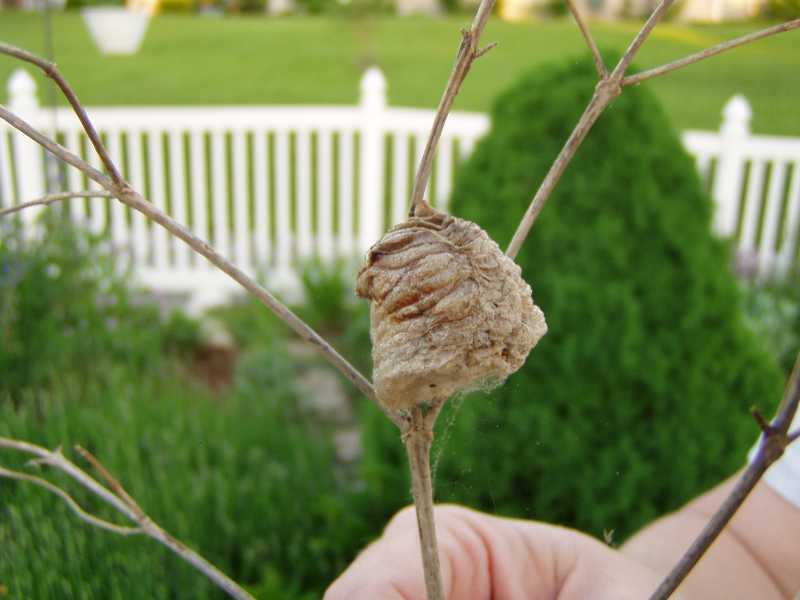 |
| Egg mass of a Chinese mantis (Mantodea) |
|
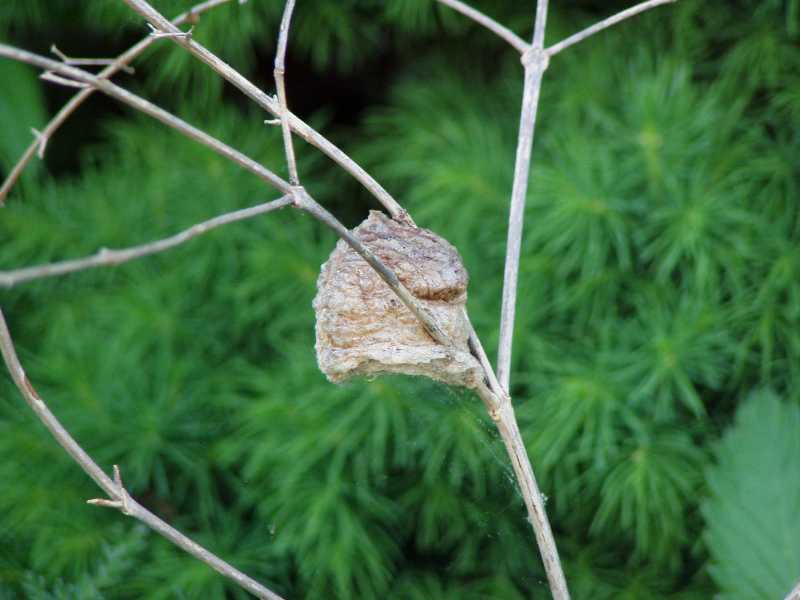 |
| Egg mass of a Chinese mantis (Mantodea) |
|
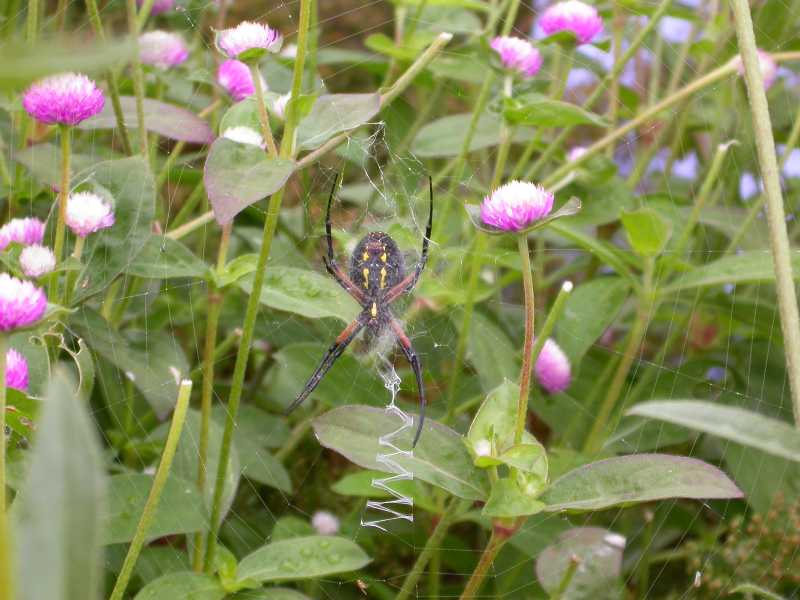 |
| Spiders (Araneae), like this garden master, are beneficial predators in the garden |
|
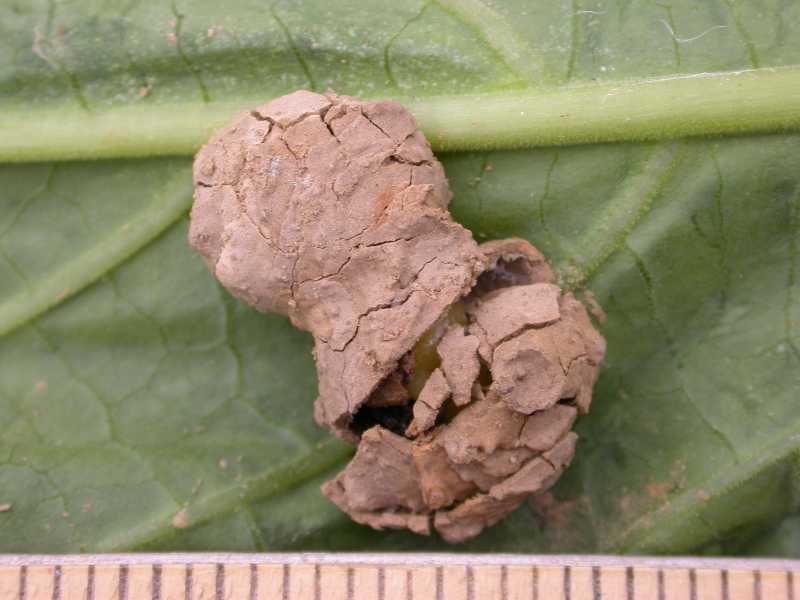 |
| Most solitary hunting wasps (Hymenoptera), like the mud dauber, are considered beneficial insects |
|
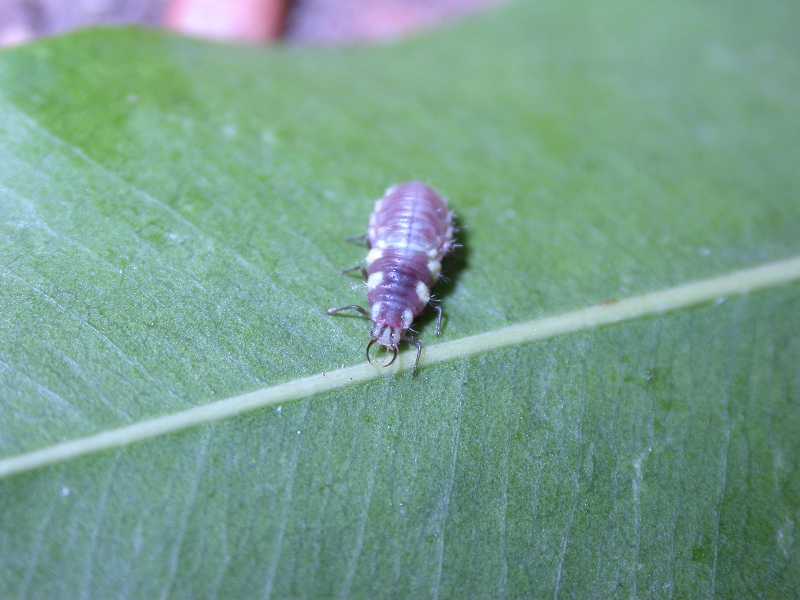 |
| Green lacewing larva (Neuroptera), some of which are called aphid lions, not only eat aphids, but also eat other soft-bodied pests |
|
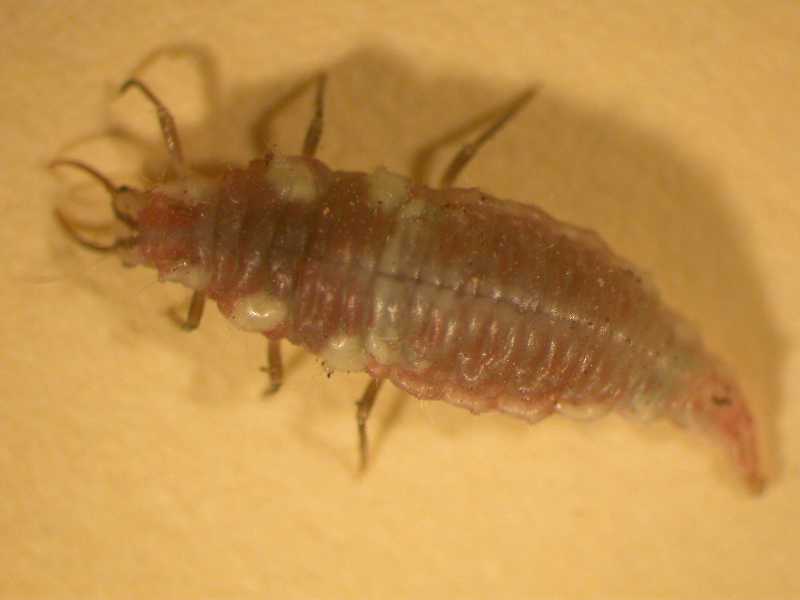 |
| Close-up of green lacewing larva (Neuroptera) |
|
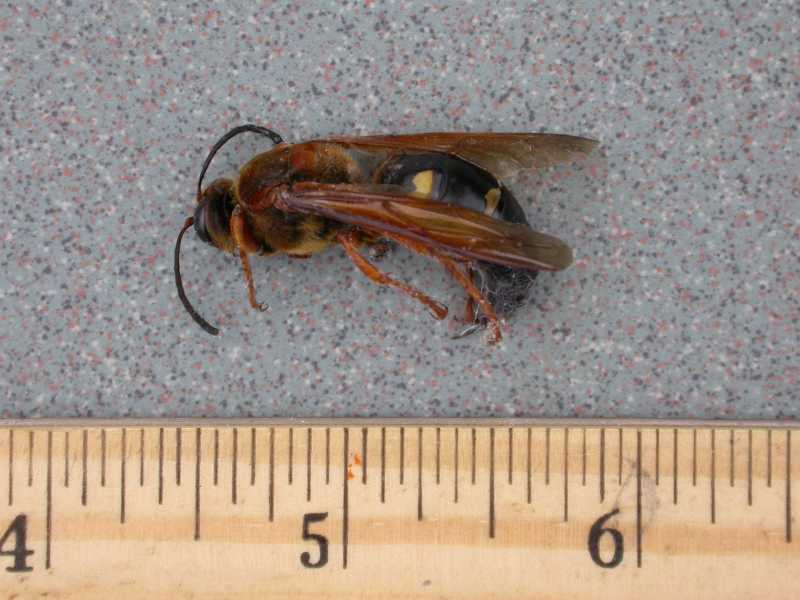 |
| Cicada killer wasps (Hymenoptera) are considered beneficial insects because they prey on dog-day cicadas |
|
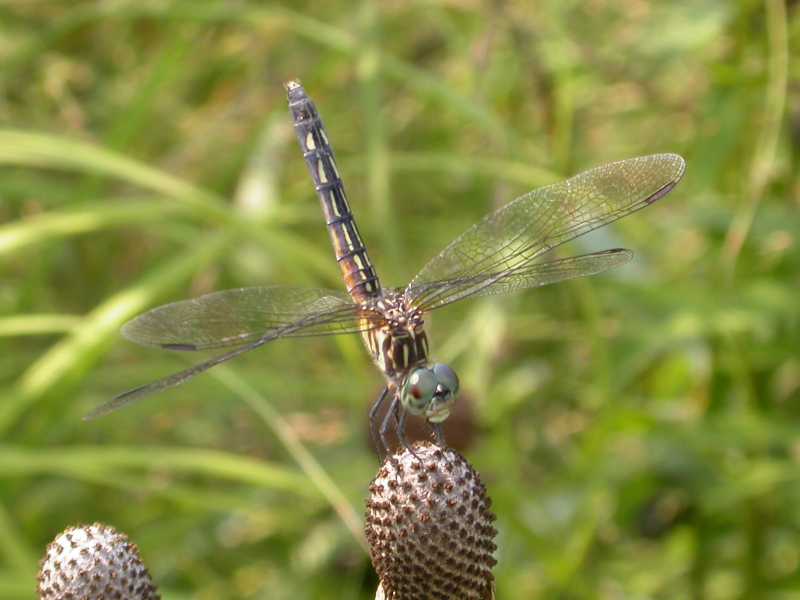 |
| Dragonfly (Odonata) on (Ratibida pinnata) |
|
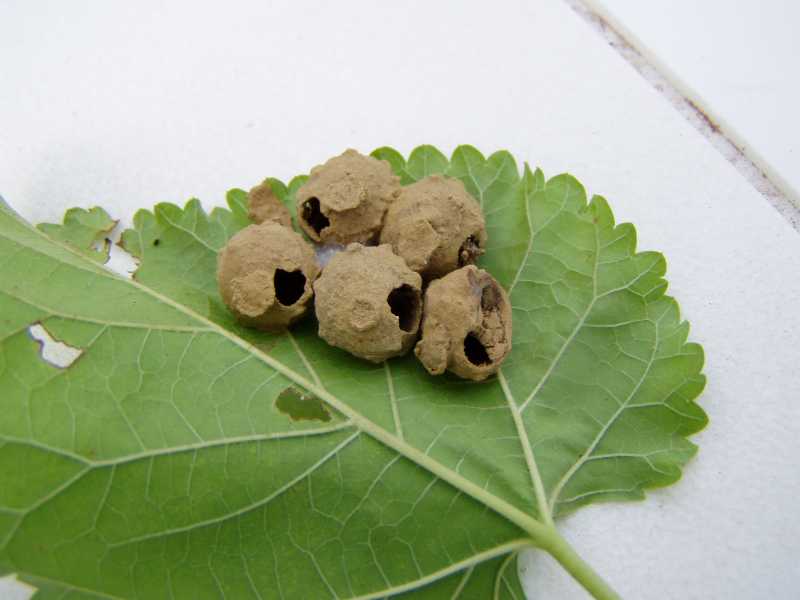 |
| Potter wasps (Hymenoptera) rarely sting and are predators of caterpillars and beetle larvae, which they catch and then paralyze for their own larvae to feed on. |
|
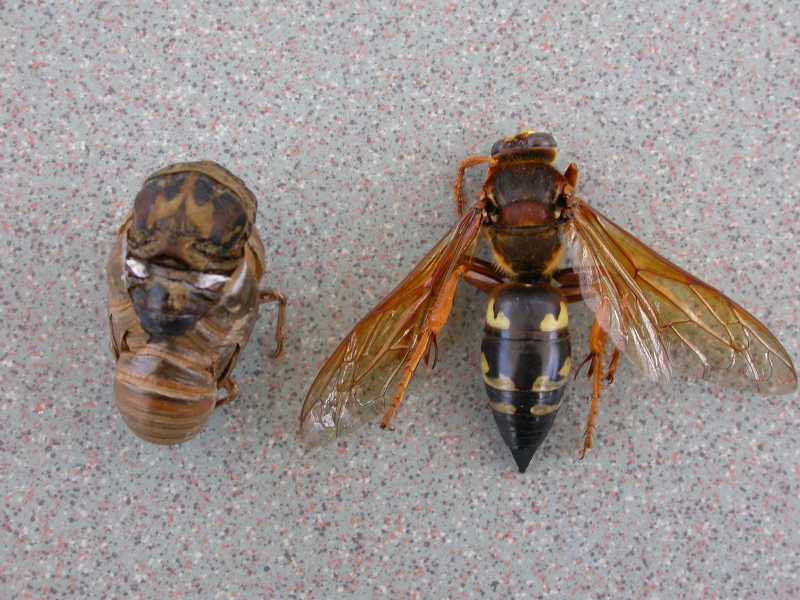 |
| On the right is a cicada killer wasp (Hymenoptera); on the left is its prey, a cicada (Hemiptera) |
|
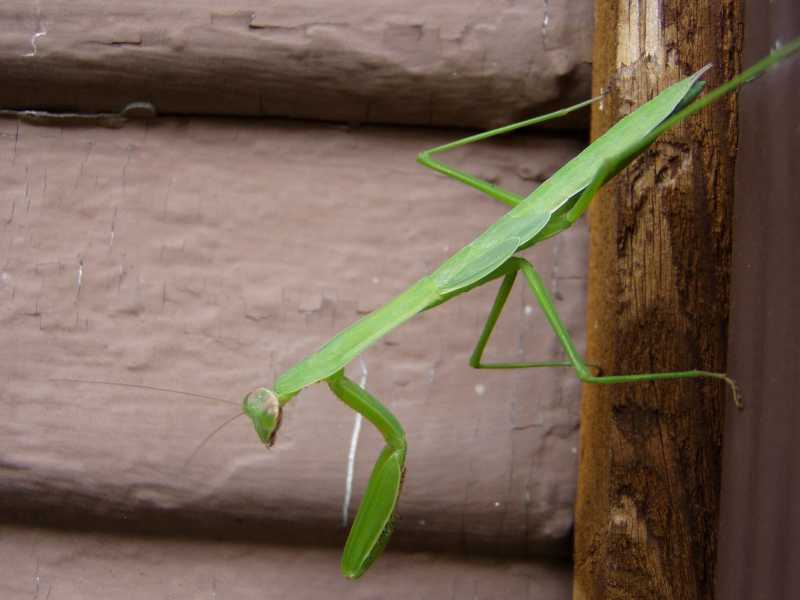 |
| Praying mantis (Mantodea) |
|
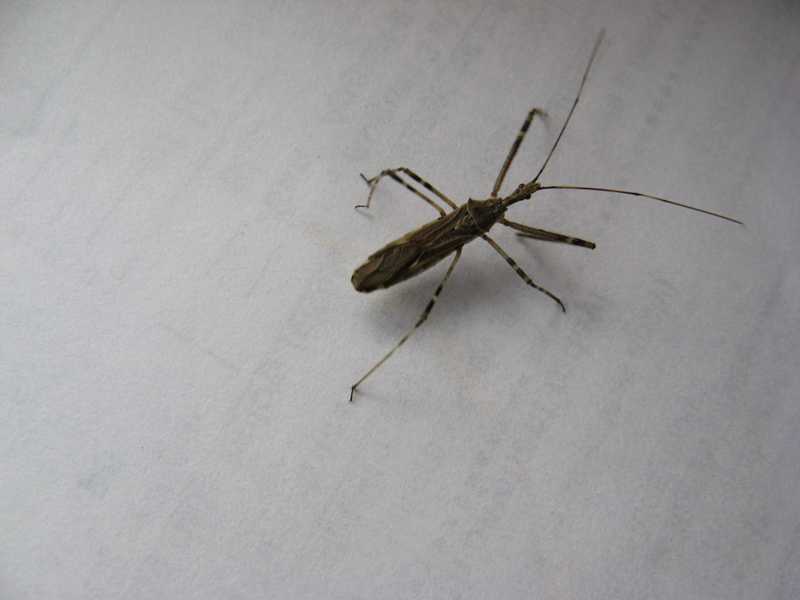 |
| Assassin bug (Hemiptera ) |
|
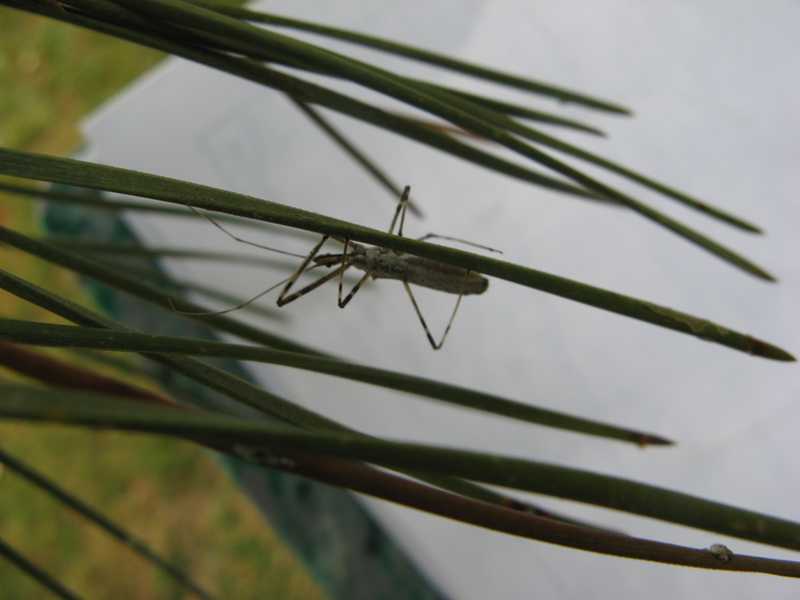 |
| Assassin bug (Hemiptera ) on pine (Pinus) |
|
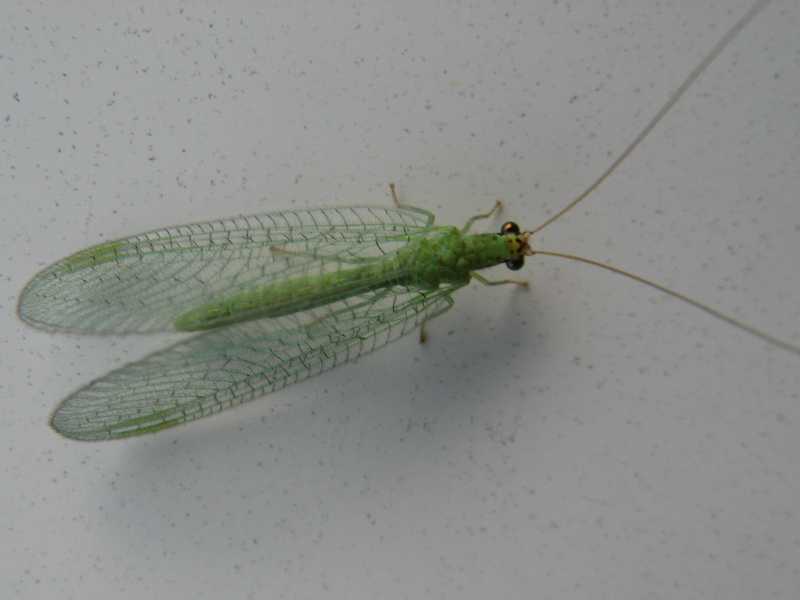 |
| Close-up of green lacewing adult (Neuroptera) |
|
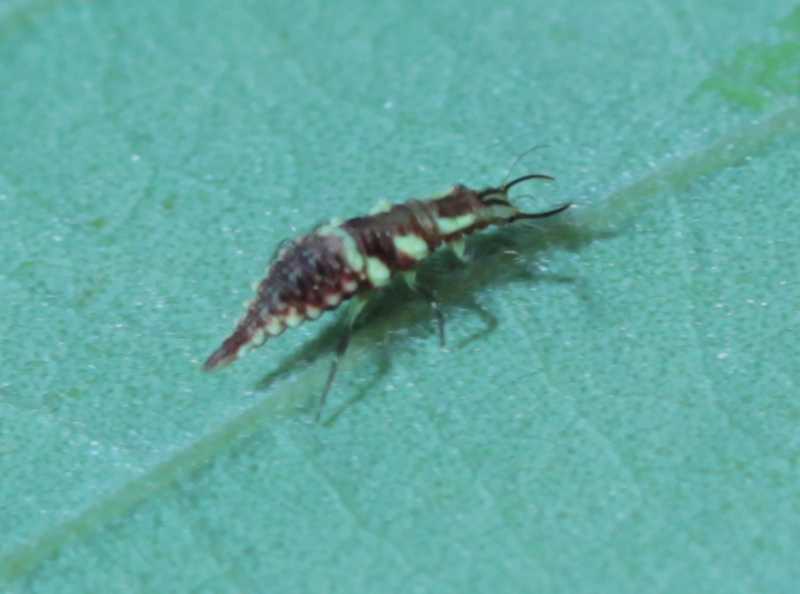 |
| Lacewing larva (Neuroptera) looking for prey. |
|
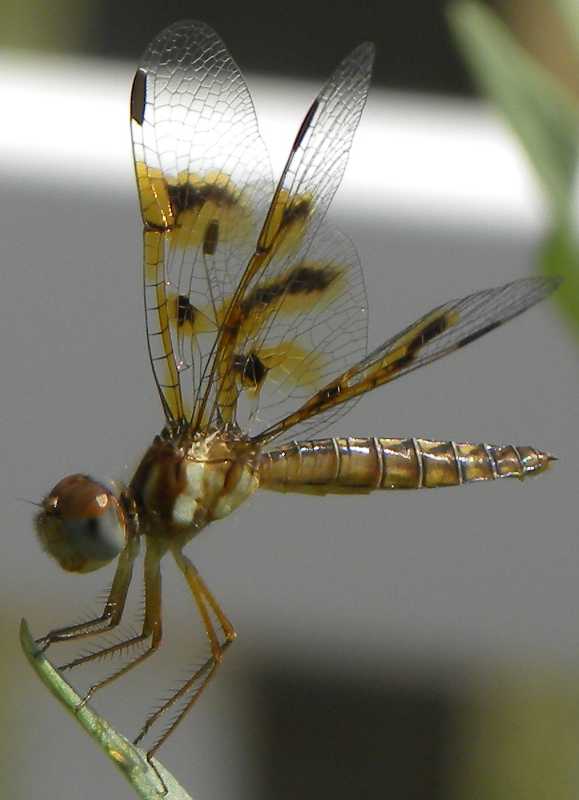 |
| Dragonfly (Odonata) |
|
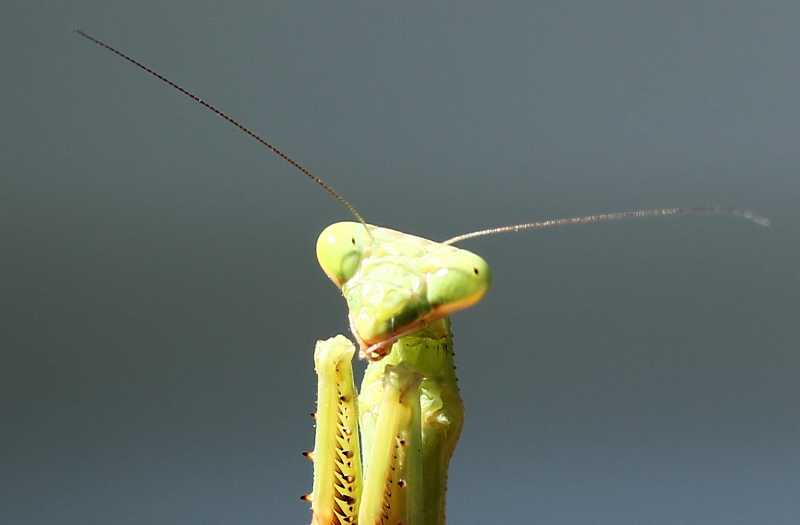 |
| A praying mantis (Mantodea) is the only insects that can turn its head. |
|
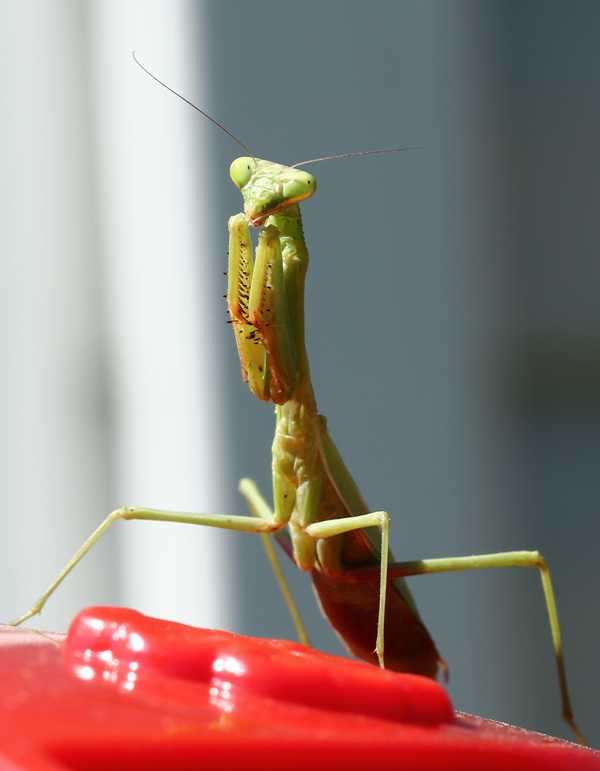 |
| Praying mantis (Mantodea) in distinctive "praying" stance. |
|
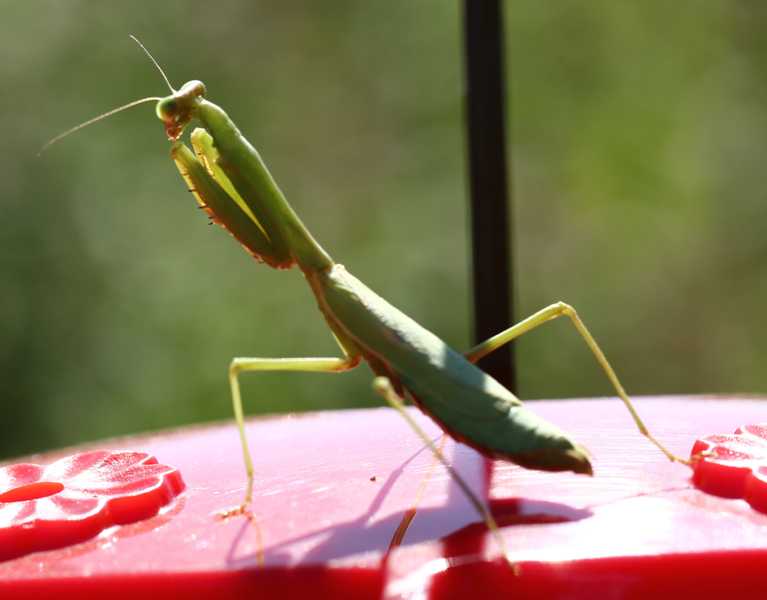 |
| Praying mantis (Mantodea) in distinctive "praying" stance. |
|
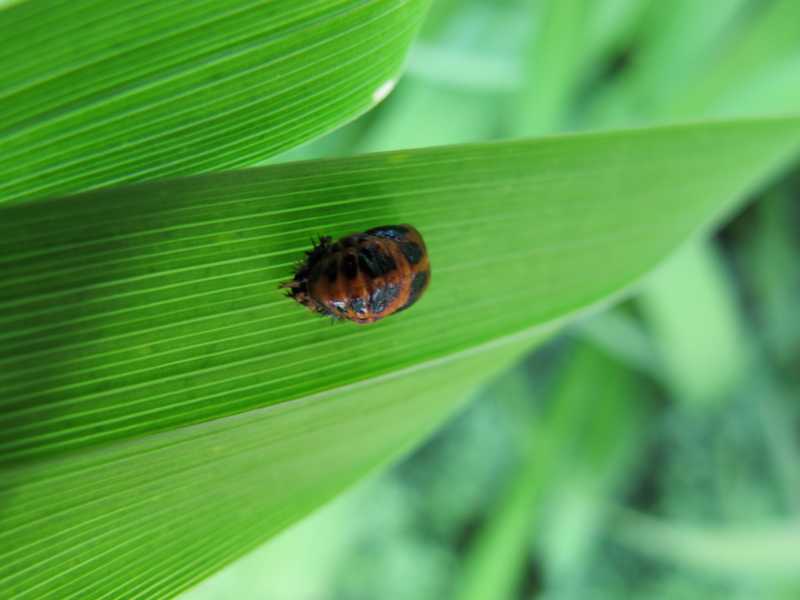 |
| Pupa of a ladybug, which is actually a beetle (Coleoptera) |
|
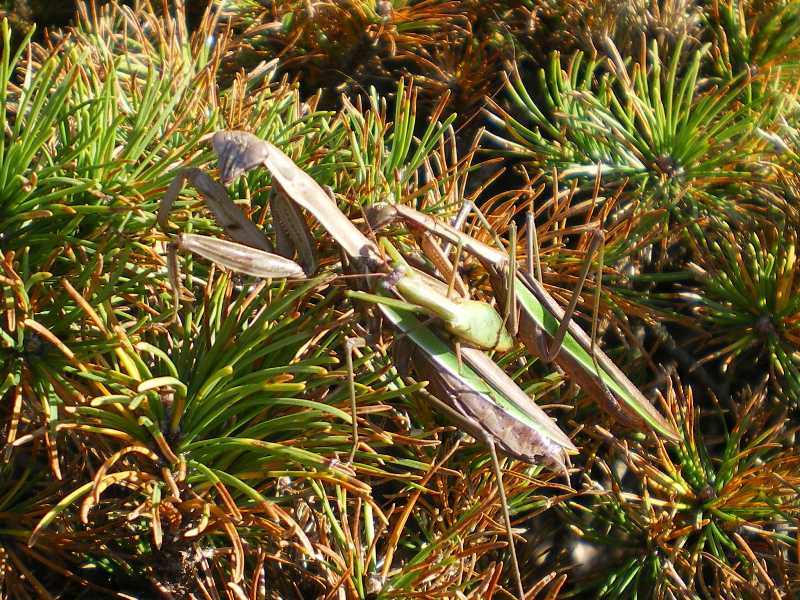 |
| Mating praying mantises (Mantodea). Note that the male is much smaller than the female. |
|
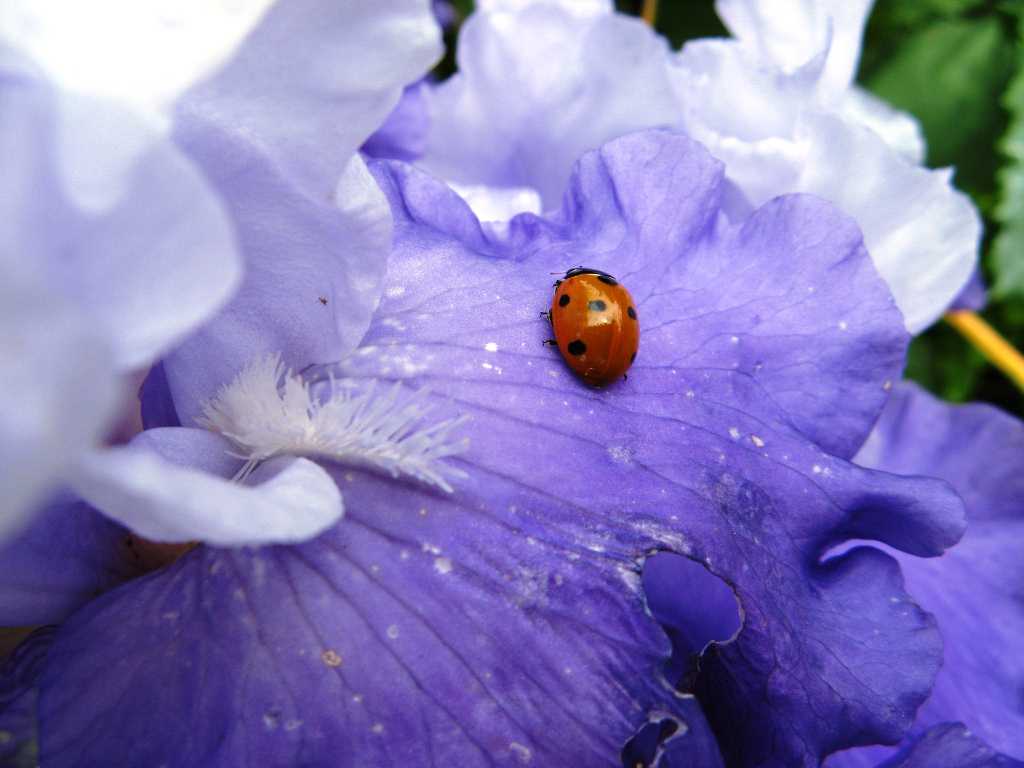 |
| Predatory seven-spotted lady beetle (Coleoptera); native to North America |
|
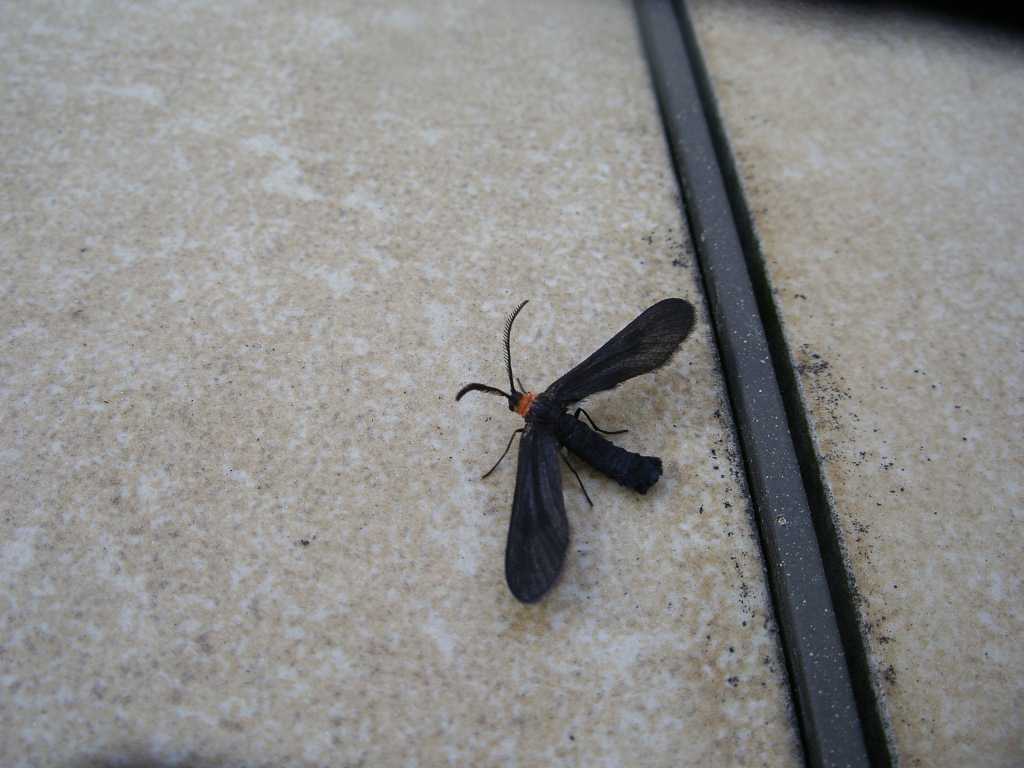 |
| Adult yellow-collared scape moth (Lepidoptera). The adults feed on nectar; the larvae/caterpillars feed on grasses, lichens, and mosses. |
|
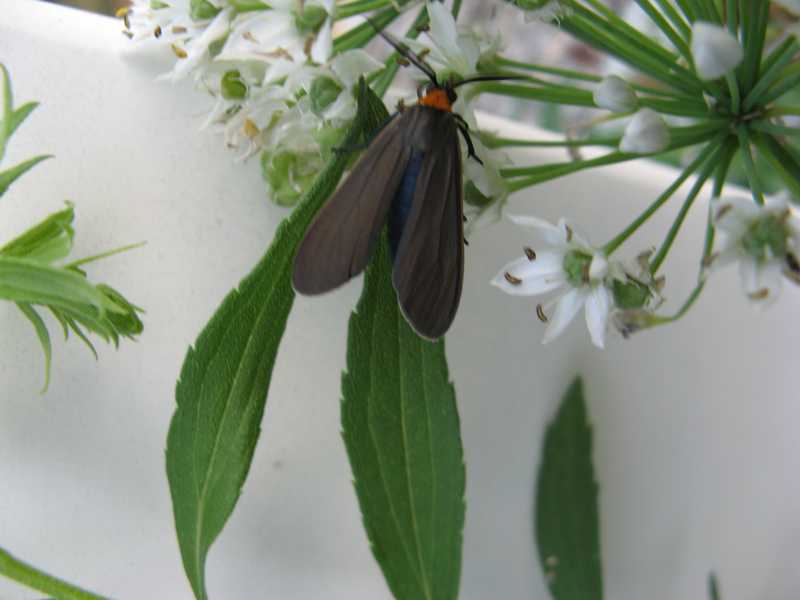 |
| Adult yellow-collared scape moth (Lepidoptera). |
|
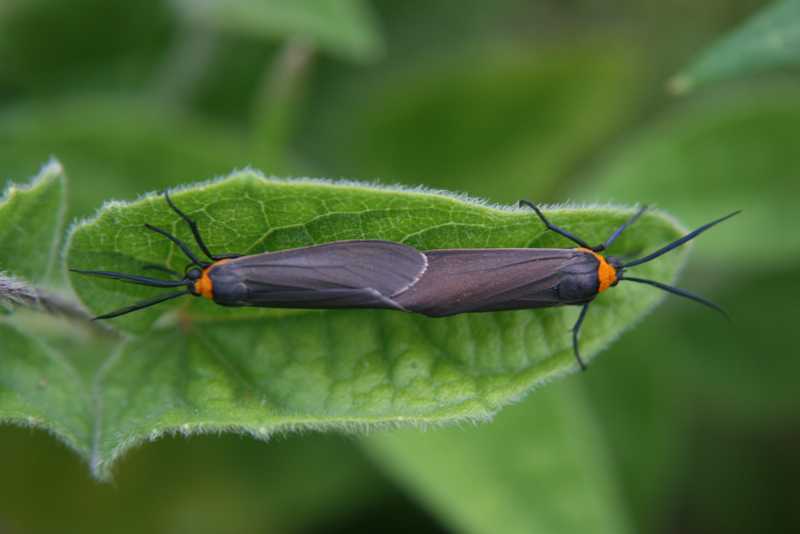 |
| Adult yellow-collared scape moths (Lepidoptera), mating. |
|
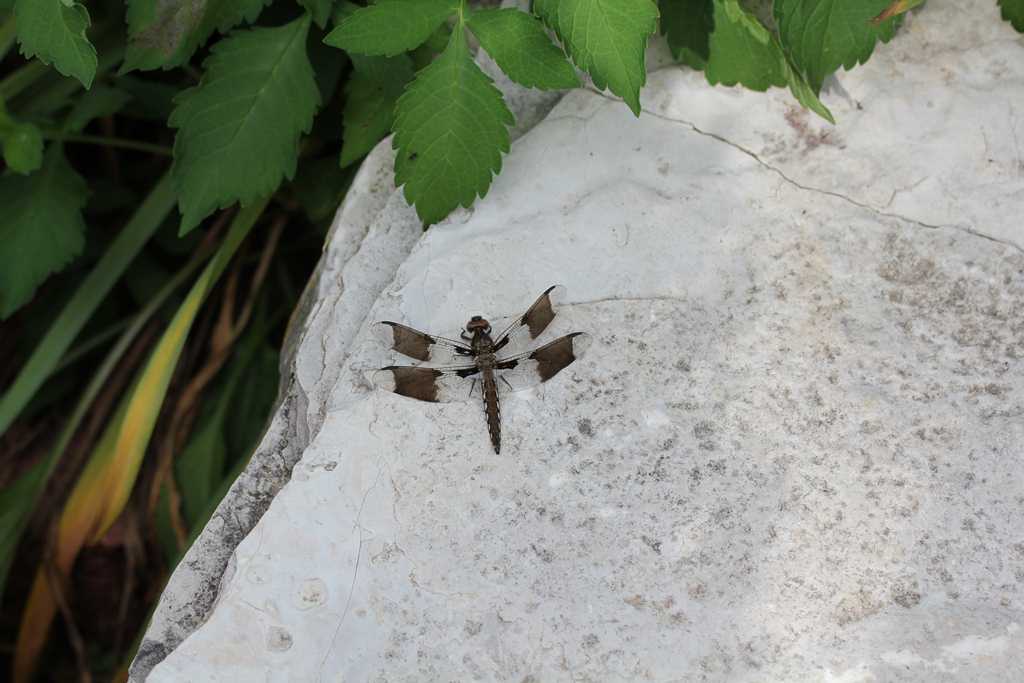 |
| Immature male whitetail dragonfly (Odonata); predator |
|
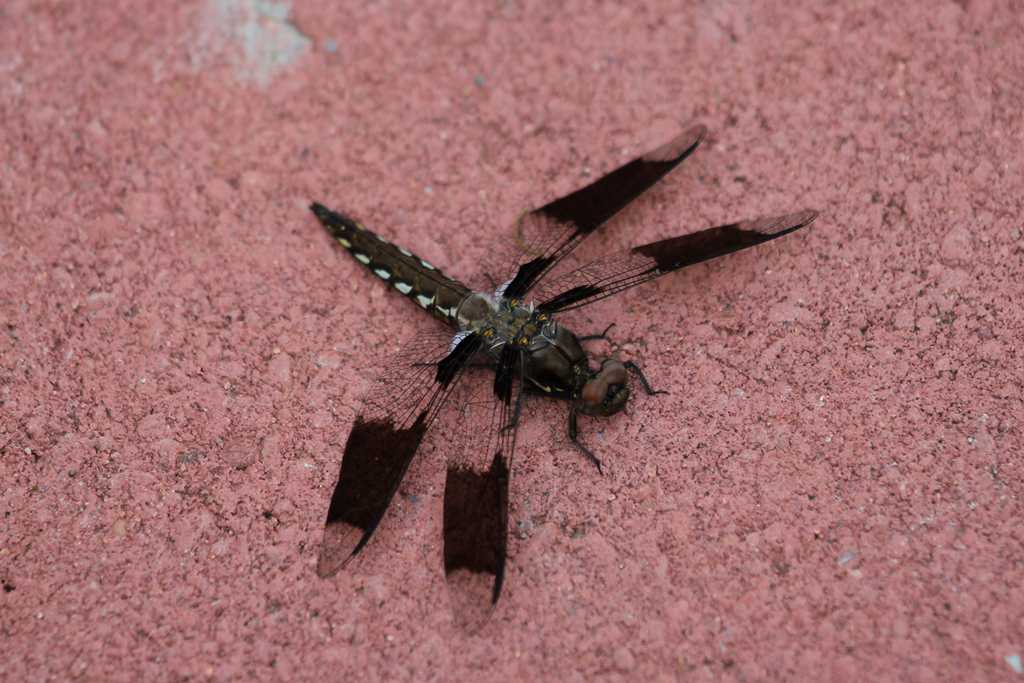 |
| Immature male whitetail dragonfly (Odonata); predator |
|
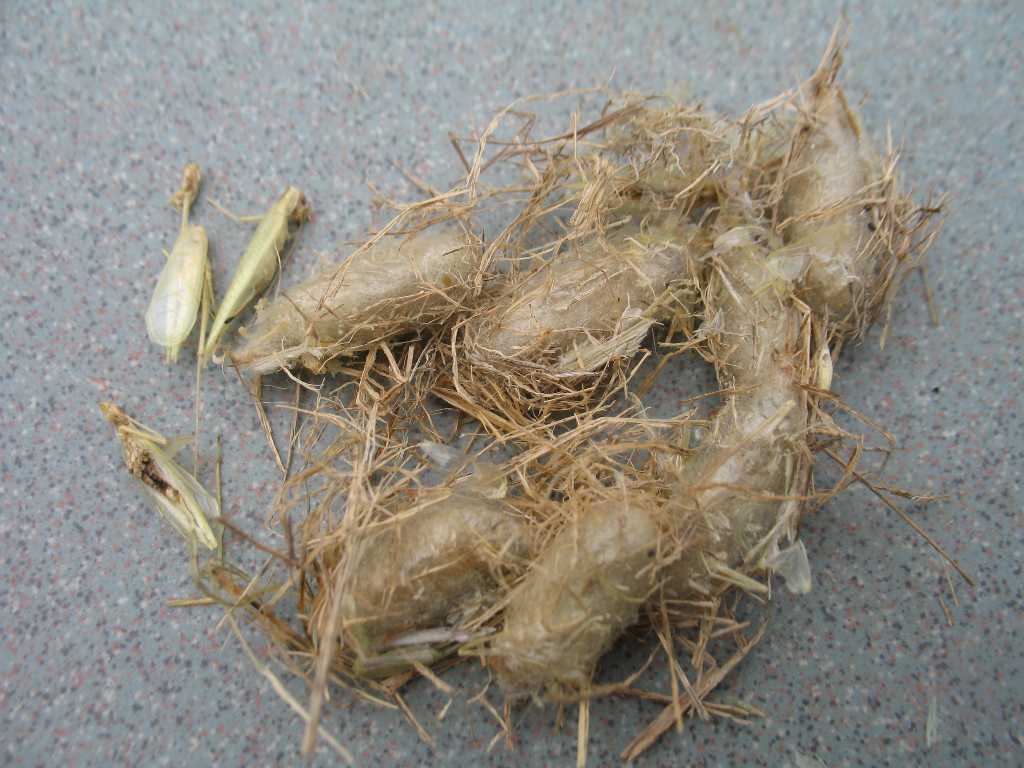 |
| Cocoons of grass-carrying wasps (Hymenoptera) and remains of their prey (crickets and other Orthoptera) |
|
 |
| Cocoons of grass-carrying wasps (Hymenoptera) and remains of their prey (crickets and other Orthoptera) |
|
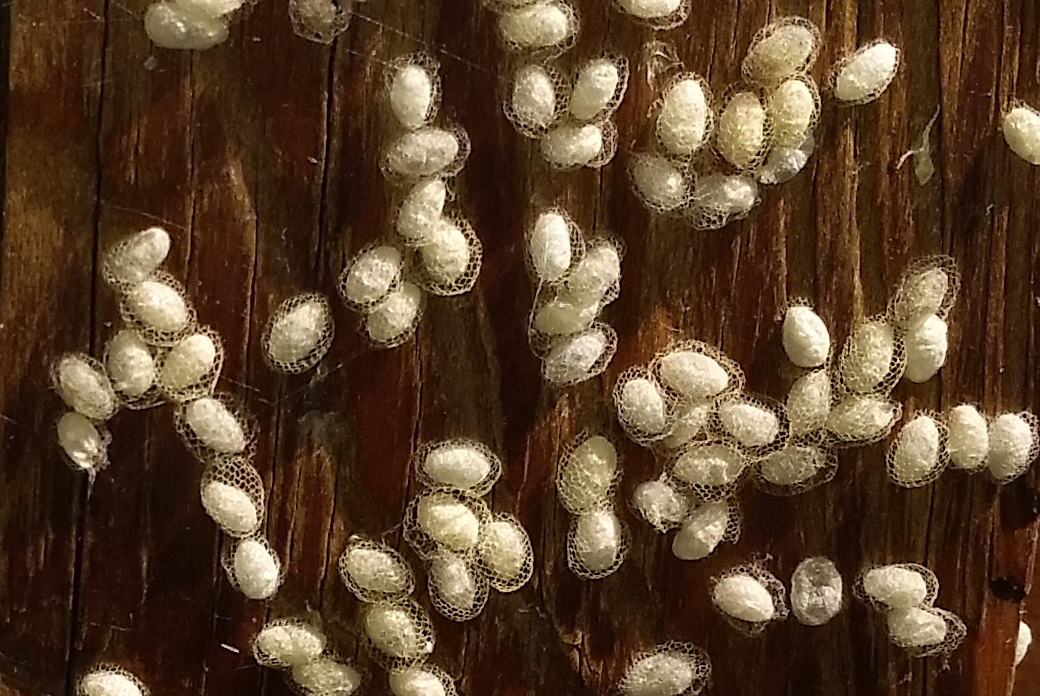 |
| Cocoons of hairnet spongeflies or spongillaflies (Neuroptera). Adults resemble brown lacewings; larvae are aquatic feeding on fresh water sponges and bryozoans. |
|
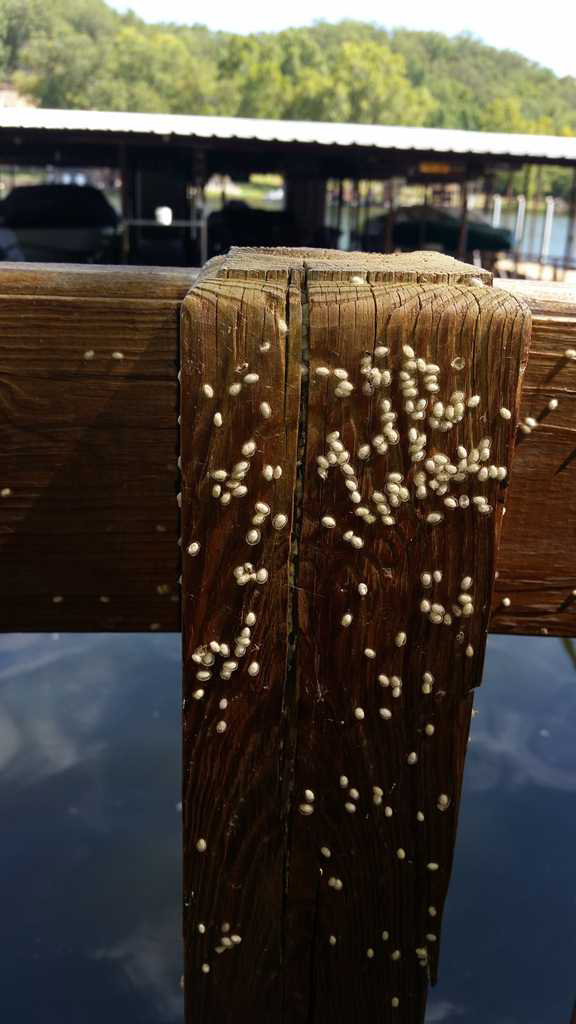 |
| Cocoons of hairnet spongeflies or spongillaflies (Neuroptera). |
|
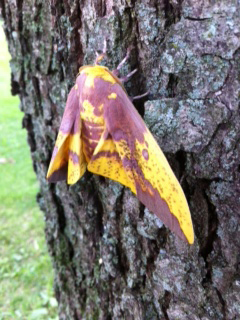 |
| Imperial moth (Lepidoptera); as with all moths adults are benign |
|
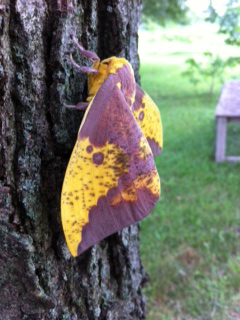 |
| Imperial moth (Lepidoptera) |
|
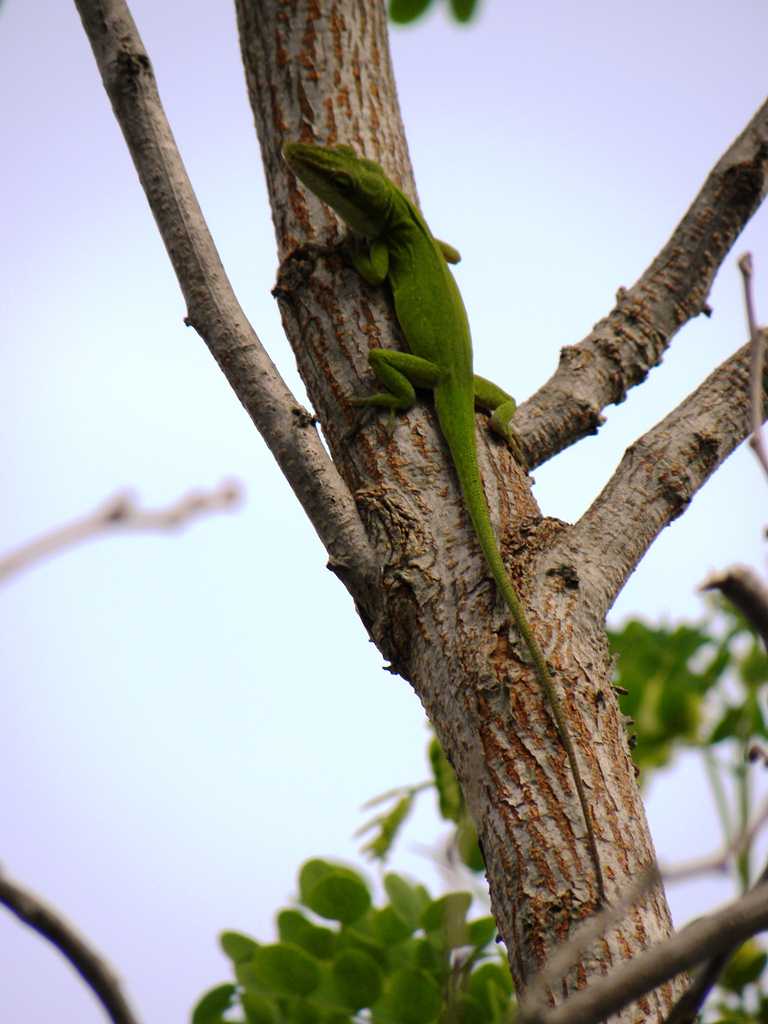 |
| Lizard on a tree in San Antonio, Texas. Most lizards are insectivorous and therefore beneficial. |
|
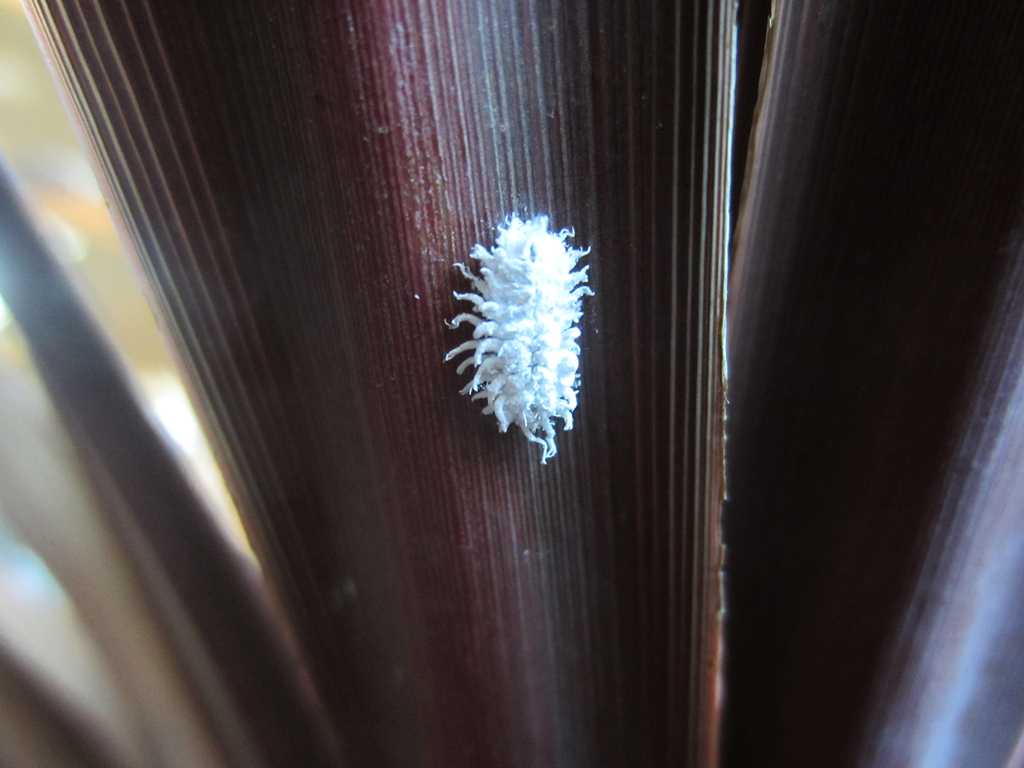 |
| Mealybug destroyer (Coleoptera) on cordyline. As the name implies these eat mealybugs (Hemiptera) and other soft bodied insects; adult is a lady beetle. |
|
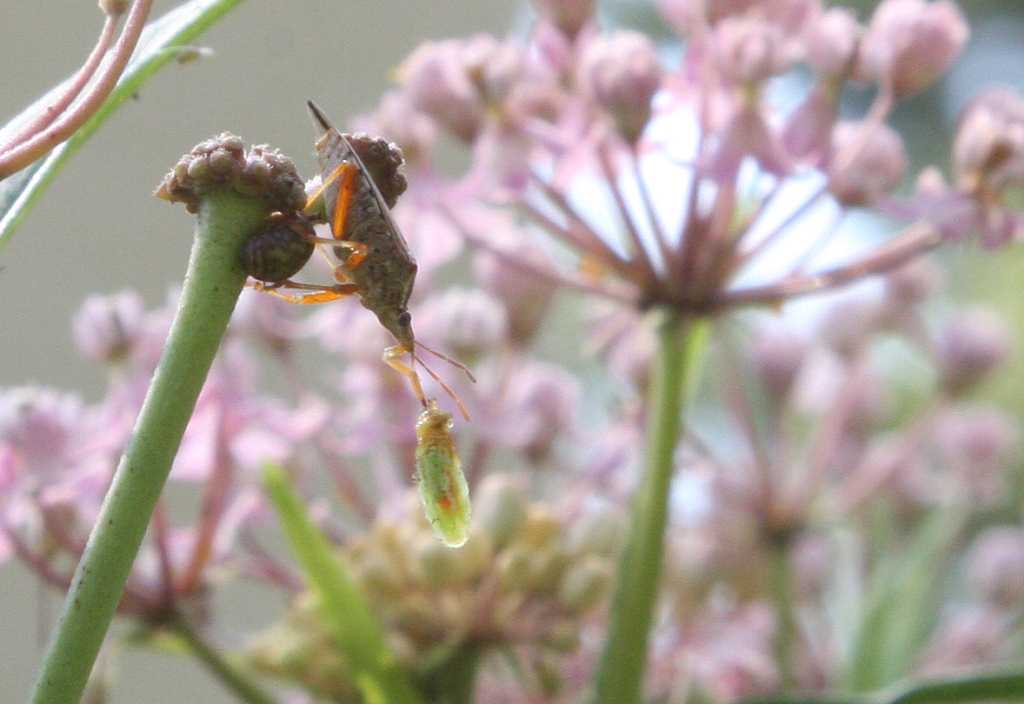 |
| Predatory stink bug (Hemiptera) |
|
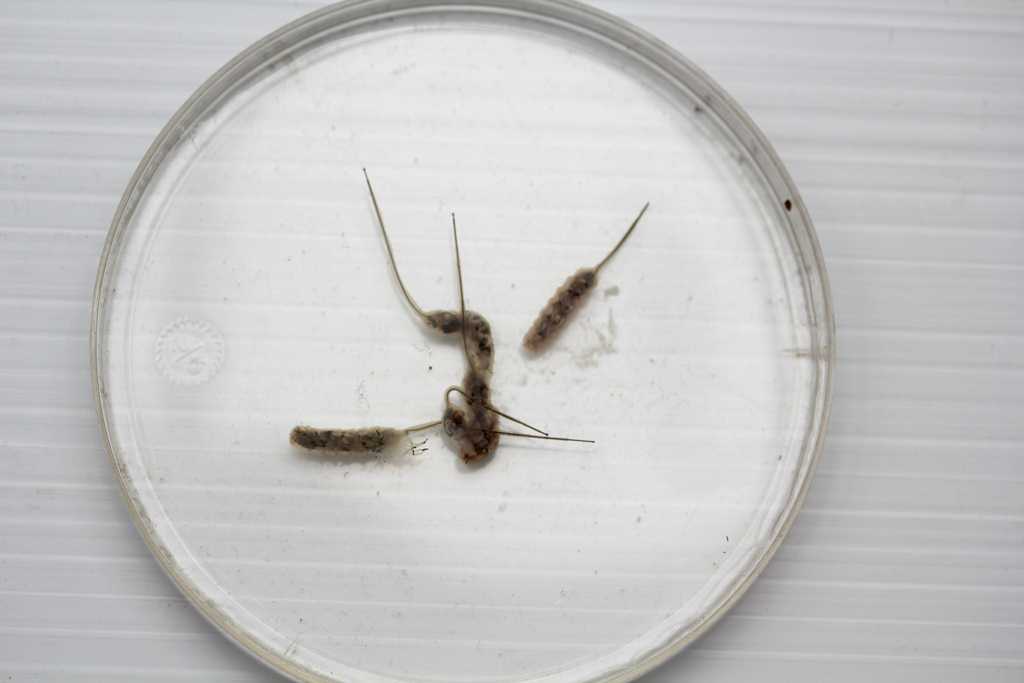 |
| Rat-tail maggots (Diptera) feed on decaying vegetation and are part of the natural decay process. |
|
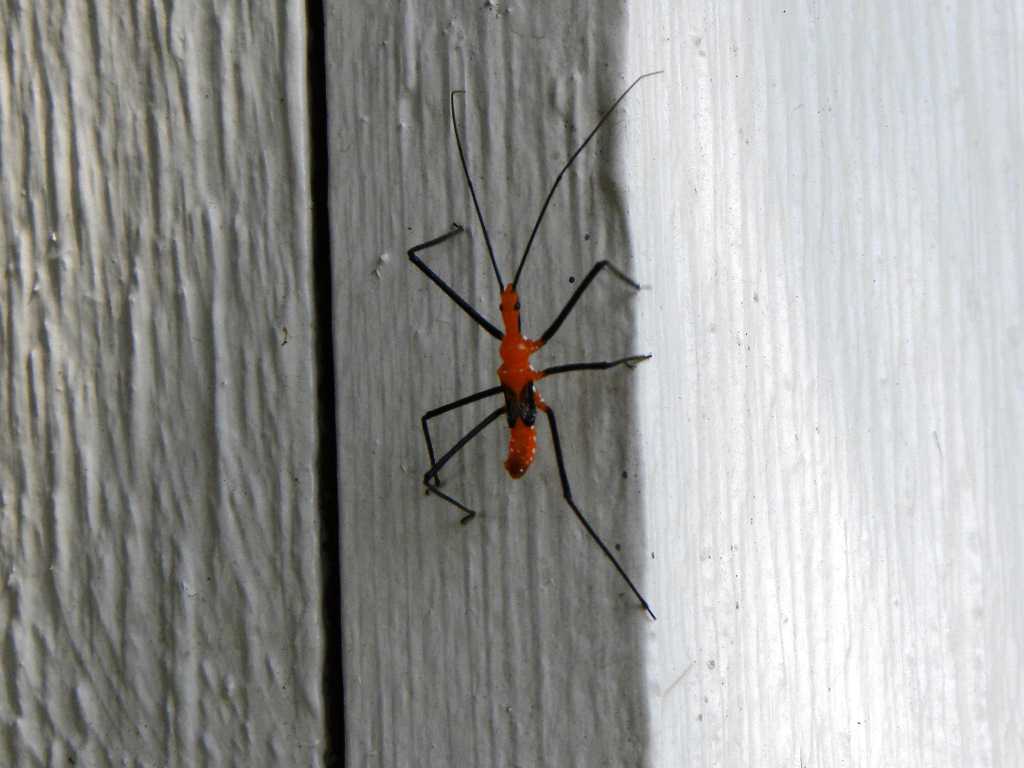 |
| Immature assassin bug (Hemiptera); most are predatory feeding on other insects. |
|
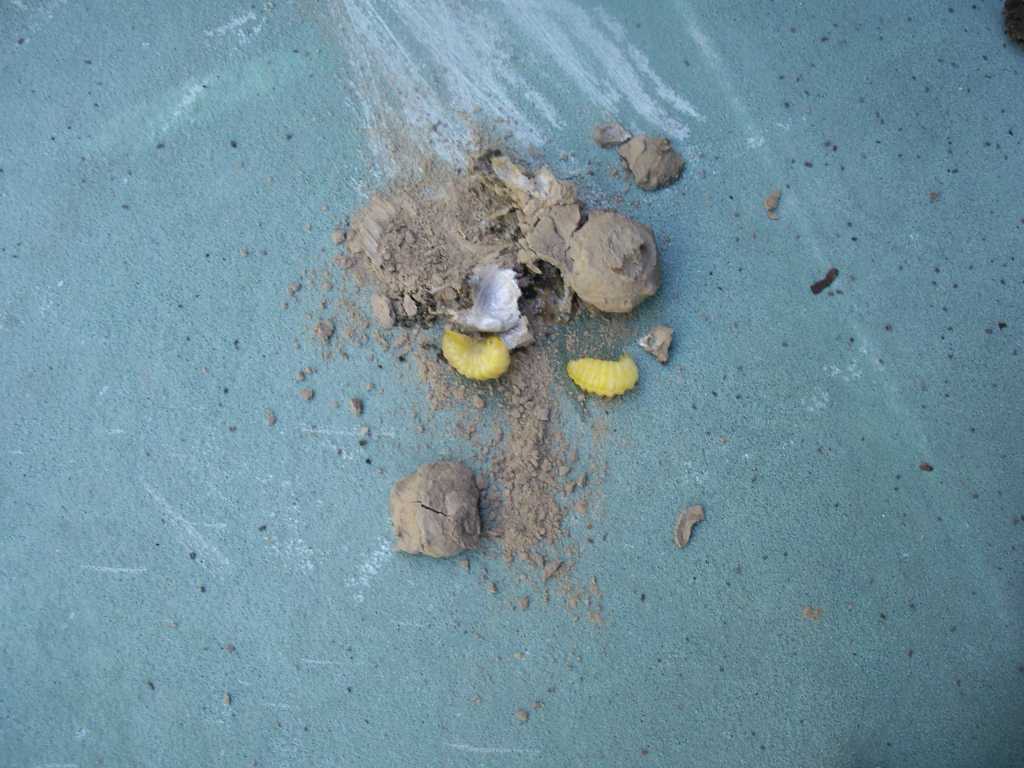 |
| Wasp larvae of a potter or mason wasp (Hymenoptera). These solitary wasps build nurseries of mud and stock them with prey. |
|
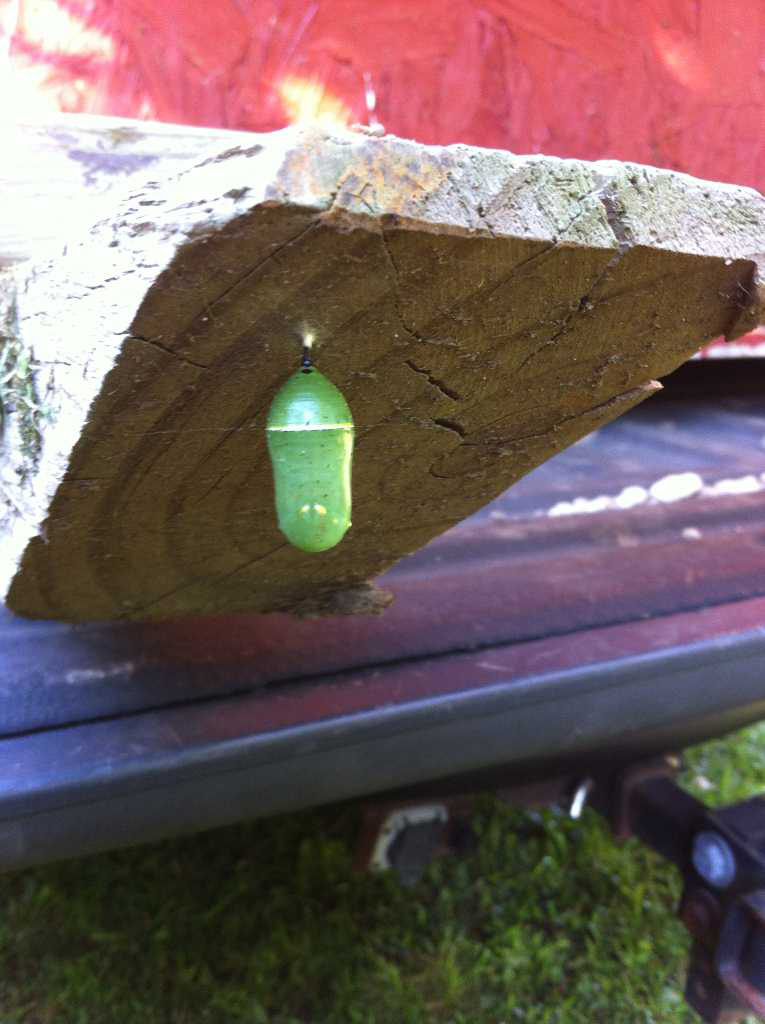 |
| Monarch crysalis (Lepidoptera). The caterpillars of many butterflies and moths leave their larval food plant and move to a taller vertical surface, like a post lying in a truck bed. |
|
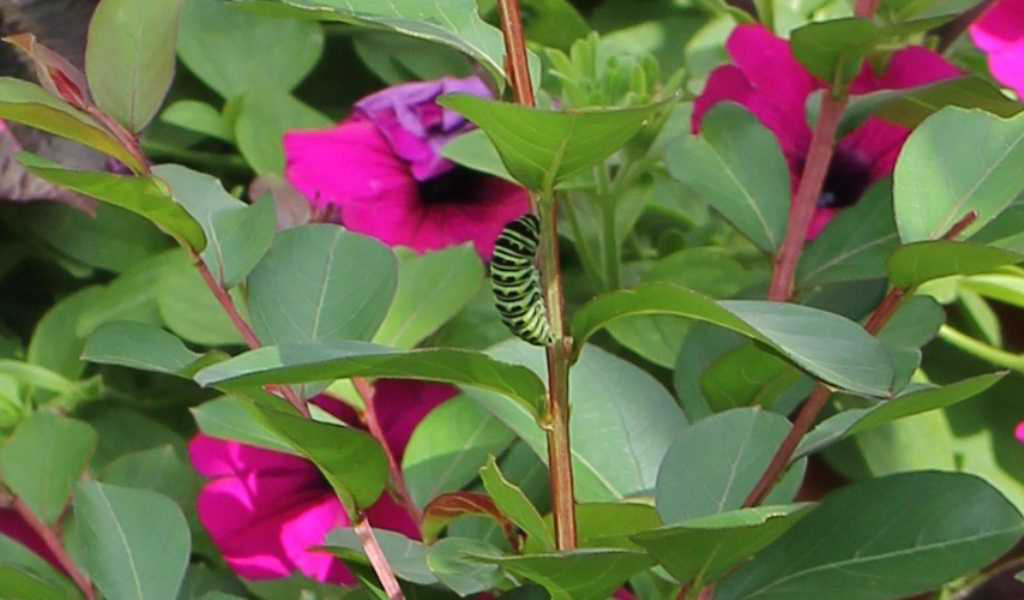 |
| Black swallowtail crysalis (Lepidoptera). Caterpillar moved from dill plants to a crape myrtle to pupate. |
|
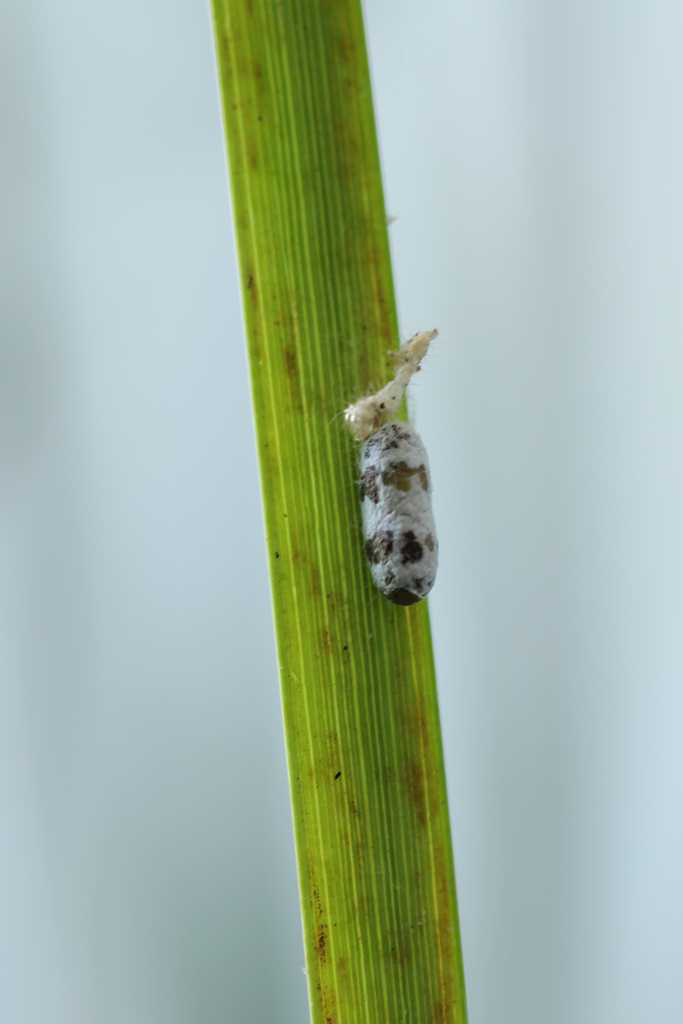 |
| Ichneumon wasp pupa, a campopleginae cocoon, (Hymenoptera) with remains of host insect attached. |
|
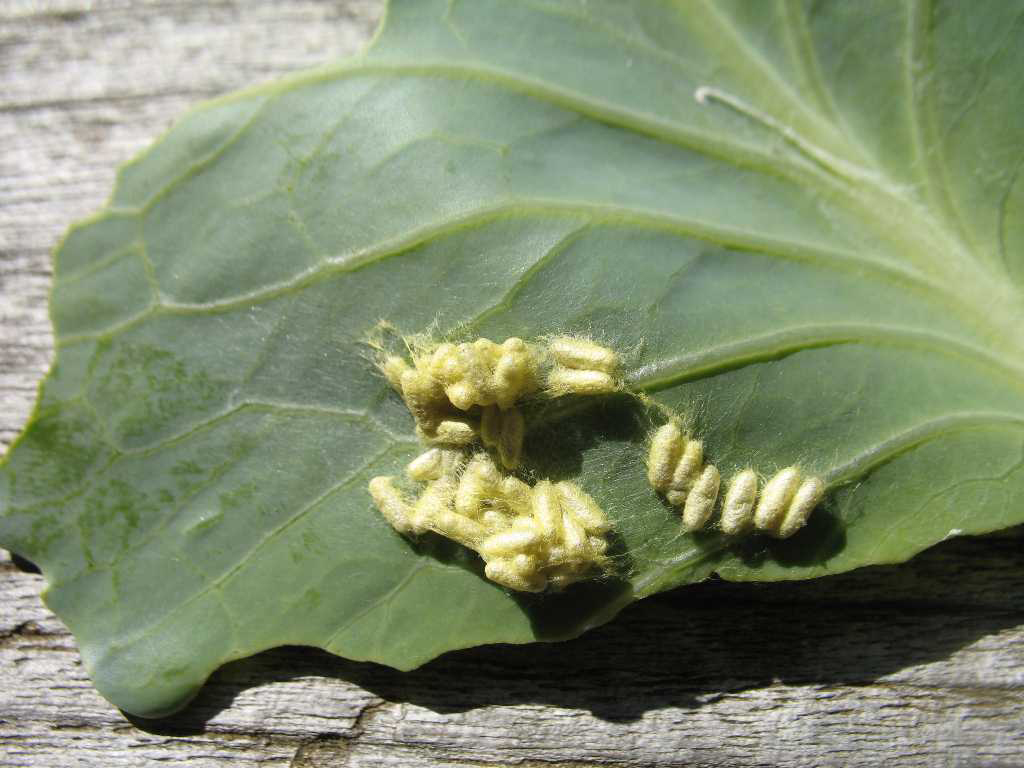 |
| Cocoons of Cotesia glomerata, a Braconid wasp (Hymenoptera) that parasitizes imported cabbage worms, a.k.a., cabbage white butterflies (Lepidoptera) |
|
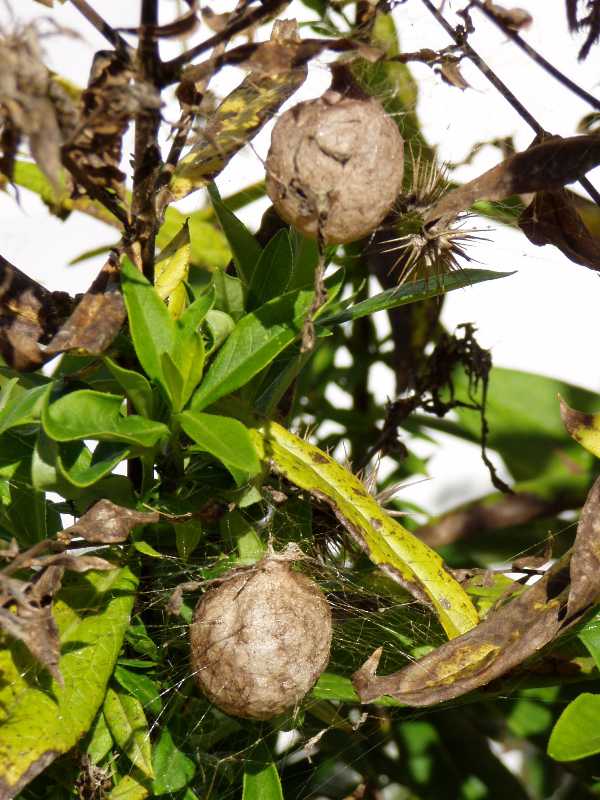 |
| Spider egg cases on an azalea bush (Rhododendron); all spiders (Araneae) are beneficial predators. |
|
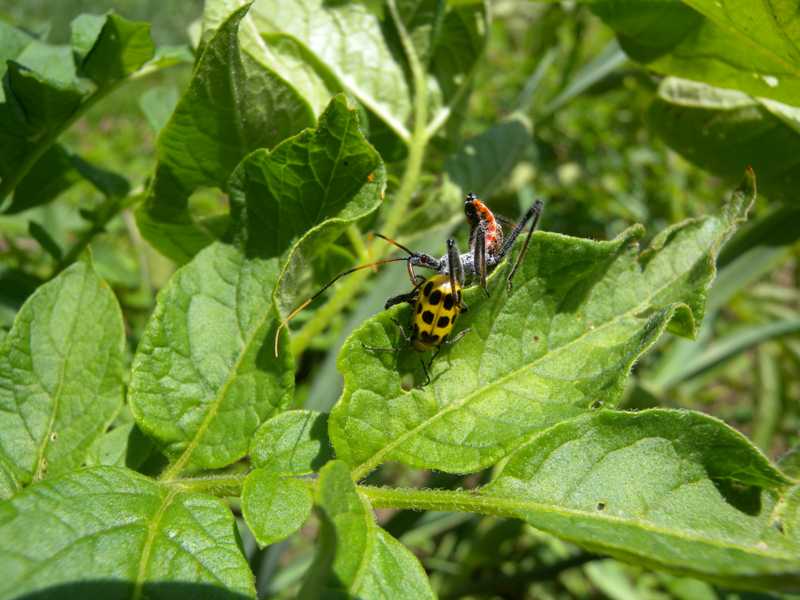 |
| Wheel bug nymph (Hemiptera) eating a cucumber beetle (Coleoptera) on a potato plant (Solanum) |
|